What should the first inspection settle?
We identify the roof system and inspect the surfaces that control water movement. Check the drain bowl, strainer, sump, nearby slope, scuppers, and overflow path. Review the membrane for open seams, blisters, punctures, and prior patches. At the perimeter, inspect attachment, flashing, metal edges, and wall terminations. The interior review adds leak location and timing; if moisture extends beyond the visible stain, an infrared survey or test opening may be needed to define removal.
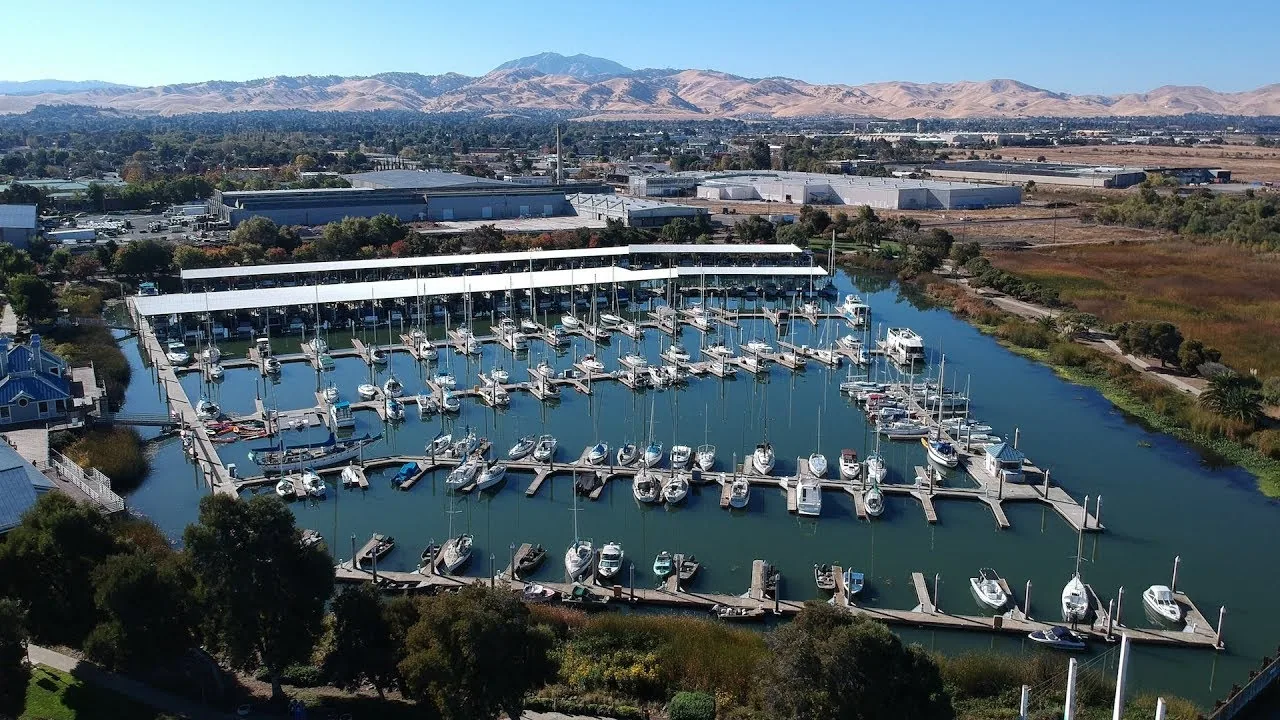
Suisun City's location beside Suisun Marsh helps orient the project; the crew still inspects the building's drainage and membrane before recommending work. The site walk confirms those details and records any area that could not be reached. A moisture survey can direct testing below the membrane where conditions warrant it. We give the GC a marked roof plan and photographs so the bid identifies each drain or flashing detail, rather than carrying one broad allowance for the whole surface. For a commercial property with operations below, the owner should identify sensitive rooms, access rules, and the time available to protect an opened section. Check whether water reaches the drain without crossing a raised patch, loose debris, or displaced equipment support. A roof that holds water near the bowl may need a drainage correction as well as a membrane repair. We record the affected area and verify the flow path after the work is complete.
How do we repair a drain or open lap?
A failed drain connection can admit water even when the surrounding sheet looks intact. We clear the bowl, inspect the sump and clamping or flashing detail, and check for wet insulation or movement around the opening. A seam leak needs a different repair: clean the surface, expose the failed lap, remove incompatible patching, and reconnect the sheet with a detail appropriate to the system. Repairs stop at sound, dry substrate and include photos of what was removed.
On thermoplastic roofs, seam work uses a prepared surface and verifiable weld. EPDM repair requires compatible flashing and seam materials. Modified bitumen and built-up assemblies need the surrounding plies and surfacing checked before a patch is installed. At a wall or curb, a flashing repair must connect the vertical transition to the membrane field. If water is ponding, we check the outlet and path before recommending changes to slope or insulation. A drain and scupper correction can resolve a blocked or failed connection, but the scope should identify whether the bowl, membrane, or drainage geometry needs work. The written closeout states what was repaired and what remains to test.
When is the roof ready for a larger project?
Repeated leaks, failed seams in multiple areas, wet insulation, or unstable attachment can change a repair request into a capital decision. We inspect existing layers and compare repair, recover, and replacement. A recover needs a compatible, dry base with reliable attachment and working drainage. If moisture or substrate failure continues underneath, another layer can preserve the defect. Tear-off exposes the deck and insulation, but adds removal, disposal, and temporary closure to the work.
Replacement includes membrane, insulation, cover board, drains, perimeter, curbs, and equipment transitions. The schedule depends on access, lifting, material staging, weather protection, and the number of openings that need another trade. We define the daily removal line and approval point for concealed conditions before work begins. A recover review tests whether the existing assembly can remain. A capital plan can rank a localized repair against future replacement. If the same owner has roofs in Fairfield or Benicia, keep recommendations tied to each inspection rather than treating the portfolio as one roof.
How should deliveries and trade work fit the sequence?
Before material arrives, the GC and owner confirm the current delivery route, unloading area, lift placement, and roof entry. Interstate 80 lies outside Suisun City, and its construction changed commercial traffic patterns away from rail and water transport. That history makes current receiving instructions important: the property contact can identify which entrance and time window actually serve the work. We do not open the roof until the material plan, protection, and daily closure are ready.
Equipment changes need a clear handoff. The mechanical trade completes its curb, support, or disconnection; the roofer ties the membrane into the finished assembly; and the GC confirms who accepts that connection. Occupied spaces below need protection and notice before noisy removal or lifting. We divide the roof into areas small enough to prepare and dry in before the crew leaves. If a delay interrupts that plan, temporary protection and the next work window are documented. A GC coordination plan can keep each opening and trade responsibility assigned. The owner receives a record of progress, temporary closures, completed details, and items still waiting for approval.
What should the facilities team inspect later?
Keep the marked roof plan, repair photographs, materials, and test findings with the facility record. Note which drains were cleared or corrected, where seams were repaired, and which areas need follow-up. After a mechanical or electrical contractor adds an opening, inspect the penetration and flashing before closing the work order. A roof file that records the handoff can prevent new work from cutting through a repaired membrane without a roofer present.
A preventive maintenance schedule can check drains, scuppers, seams, flashing, curbs, and edges before minor separation becomes interior damage. The interval should fit the assembly and the property's use. Photograph drain conditions before and after cleaning, and note any back-up or overflow marks for the next inspection. Suisun Marsh and the warm-summer Mediterranean climate provide local context; inspection findings still determine the work. If the roof is nearing replacement, keep test results and prior repairs available for a comparison of what remains serviceable. Request a Suisun City roof inspection with access instructions, leak history, delivery restrictions, and the date the building must be dry.
Commercial Roofing Questions
Can the roof drain be repaired without replacing the roof?
Often, if the surrounding membrane and substrate are sound. We inspect the bowl, sump, flashing, and drainage path before setting the repair boundary.
How do you plan a delivery route in Suisun City?
The property contact confirms the current entrance, receiving time, unloading area, and lift location. We plan the material movement around those site instructions.
What confirms whether a recover is suitable?
Existing layers, moisture, deck condition, attachment, drainage, and compatibility determine whether a new layer can remain in service. We inspect those items before pricing an overlay.
Can a roof repair be completed in a single shift?
It can when the repair area is accessible and the substrate is ready. We set a daily removal limit and protect any section that needs a later return.
Related Roofing Work