
Roof Systems in Antioch, CA
Browse our roof systems for commercial buildings in Antioch and eastern Contra Costa County. Each page explains the work, what to expect and how to get started.
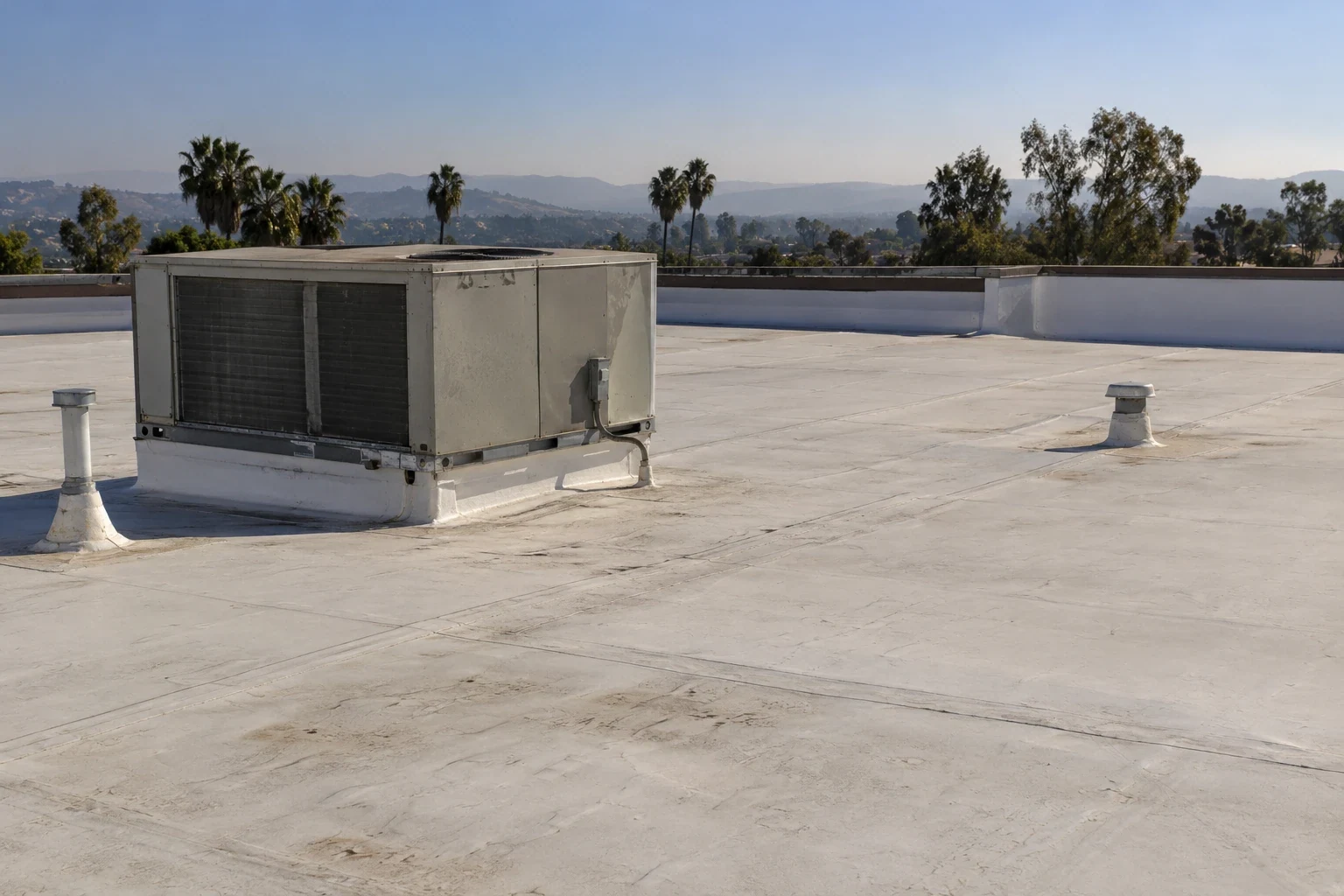
TPO Commercial Roofing in Antioch, CA
Install and repair Antioch TPO roofs with prepared substrates, inspected welds and coordinated flashing. Set attachment and equipment handoffs before closure.
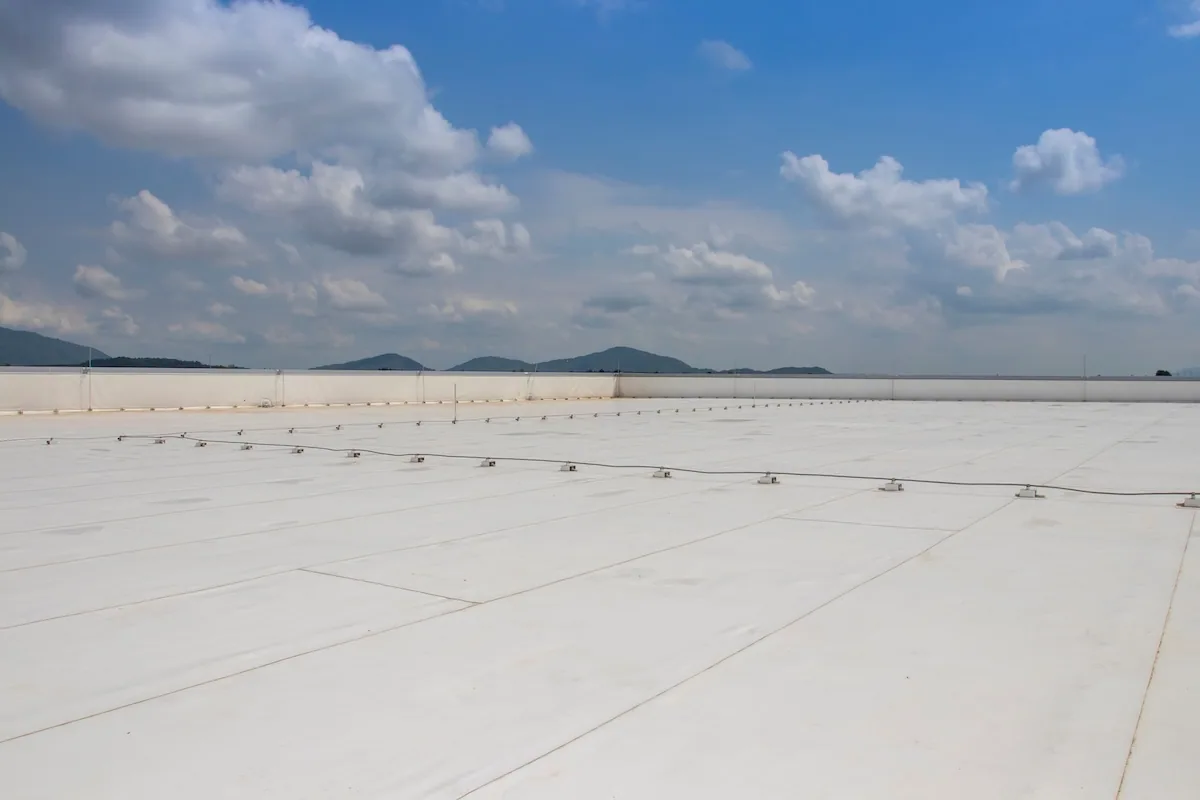
PVC Commercial Roof Installation and Repair in Antioch, CA
Repair and install Antioch PVC roofs with compatible welded details, substrate preparation and drain coordination. Define removal before equipment returns.
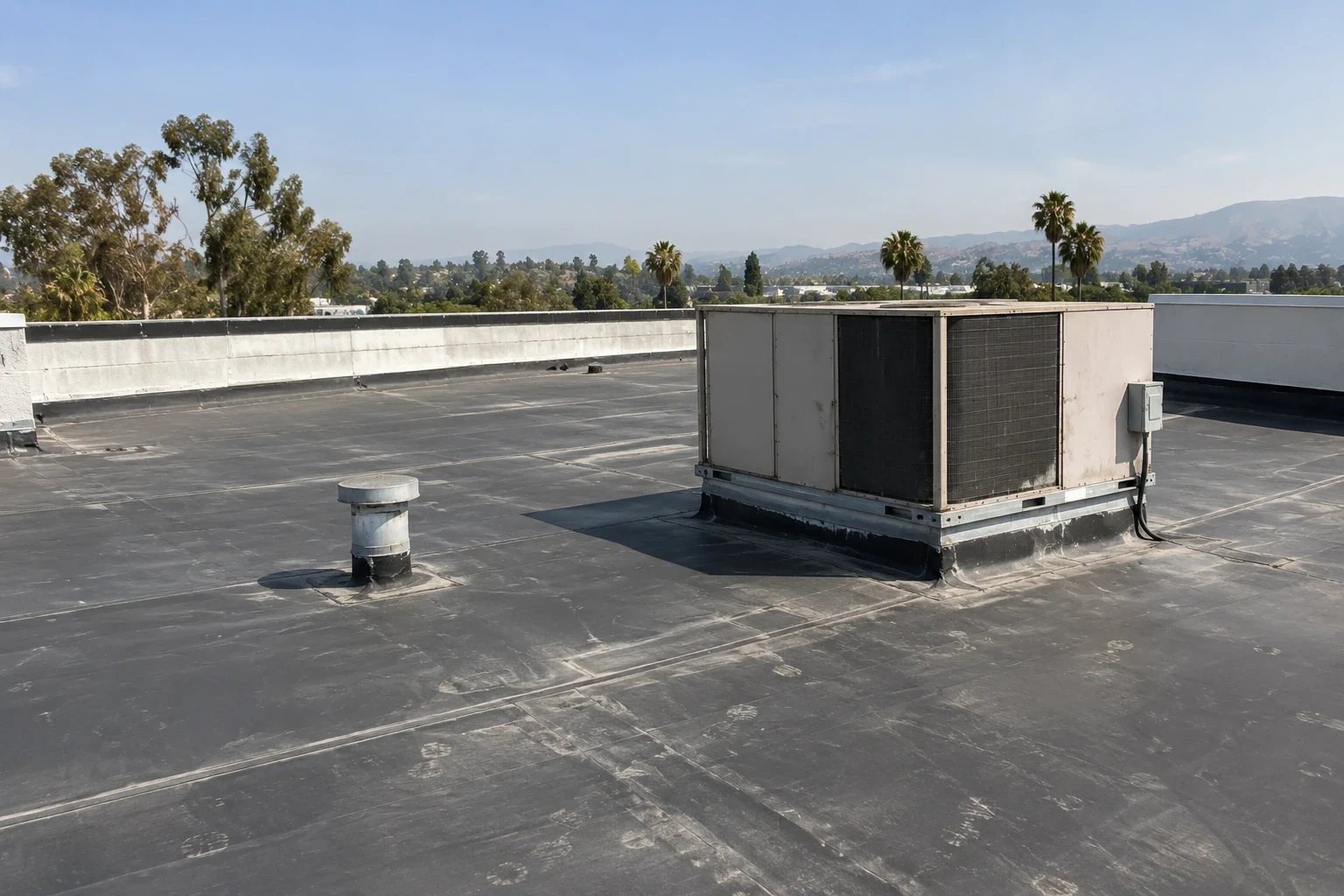
EPDM Commercial Roofing in Antioch, CA
Prepare Antioch EPDM roof repairs with sound receiving surfaces, compatible seam work and stable terminations. Coordinate parapet corrections before closure.
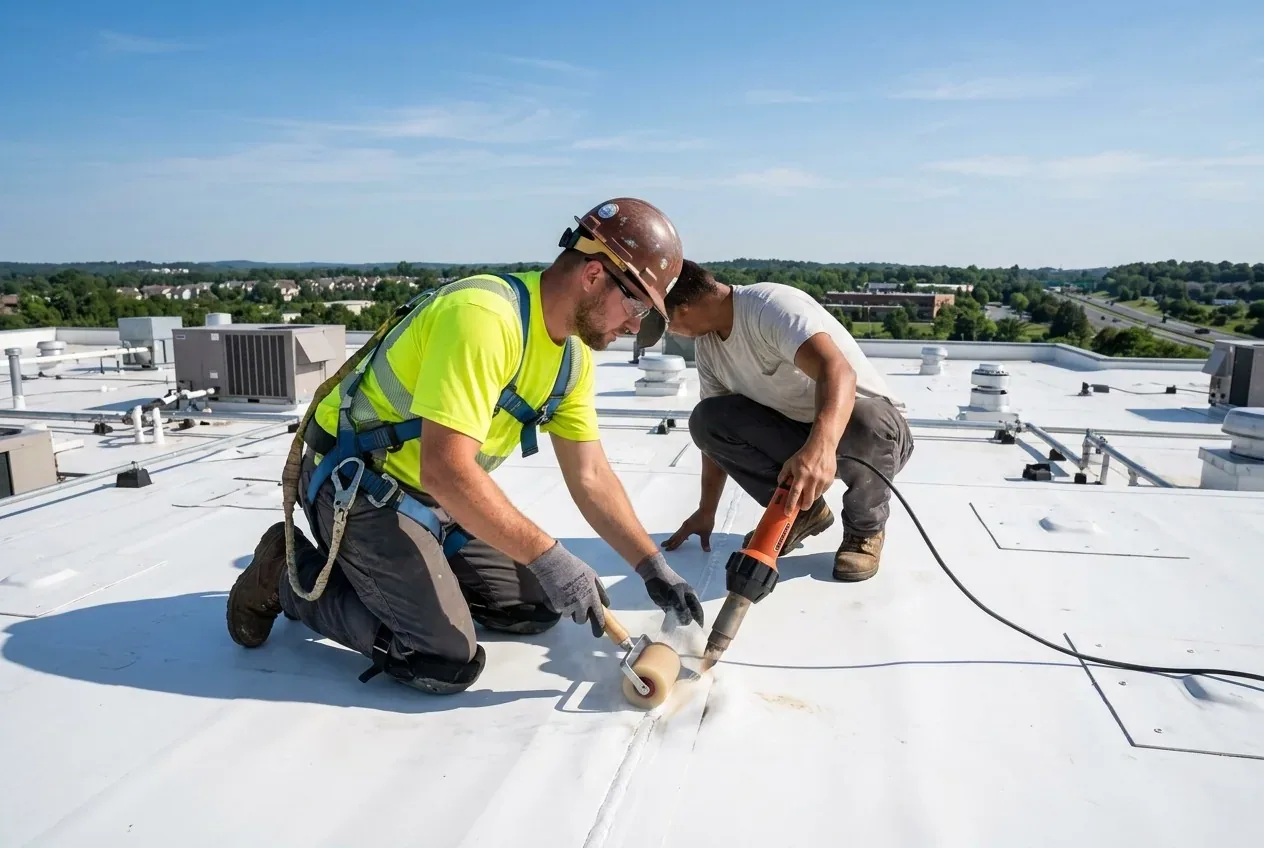
KEE and PVC-Alloy Commercial Roofing in Antioch, CA
Install and repair Antioch KEE roof assemblies with product identification, compatible detail work and clear access. Prepare equipment and substrate handoffs.
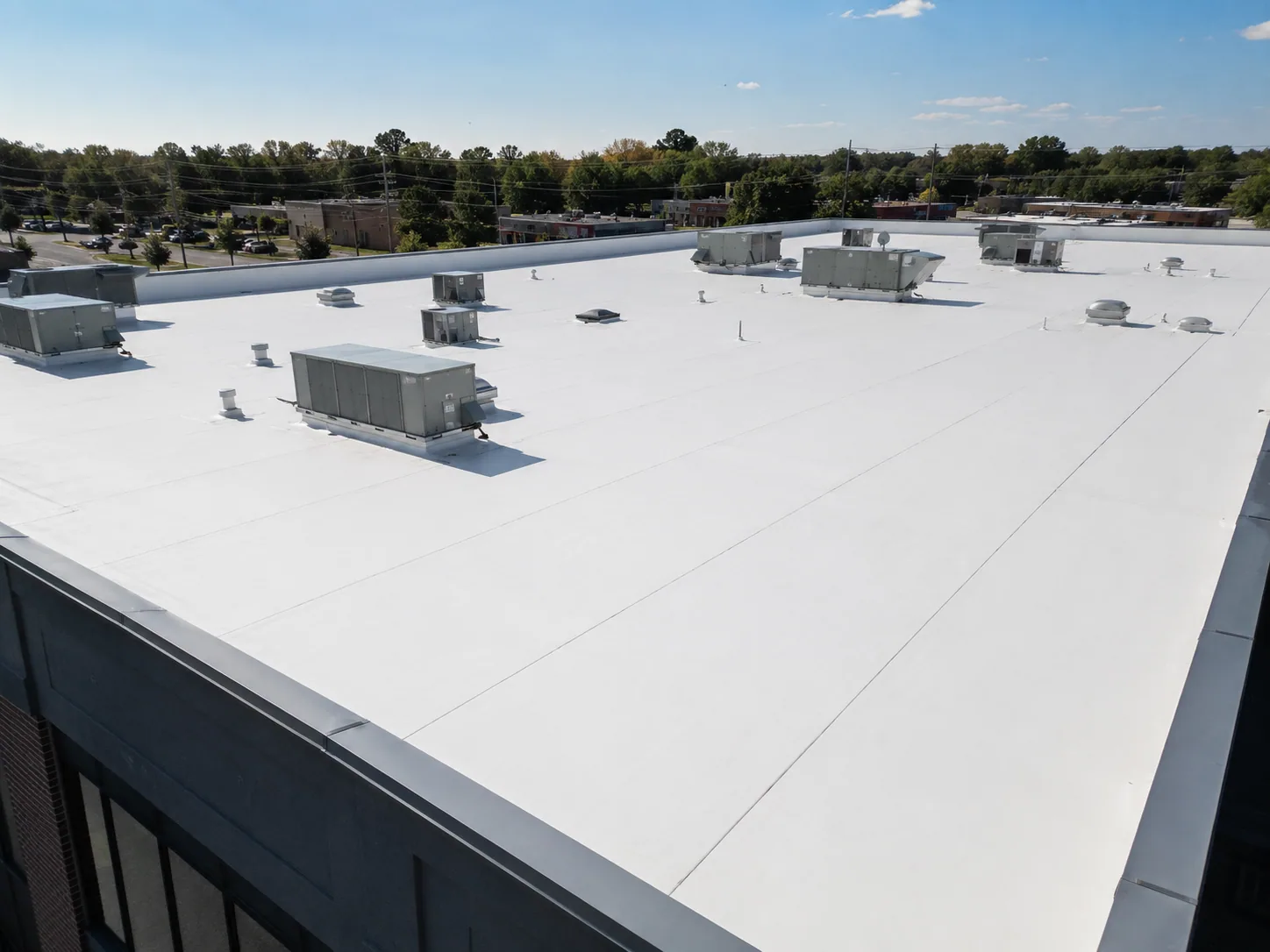
Modified Bitumen Commercial Roofing in Antioch, CA
Repair Antioch modified bitumen roofs with prepared plies, stable edge details and the appropriate application method. Coordinate protection and trade access.
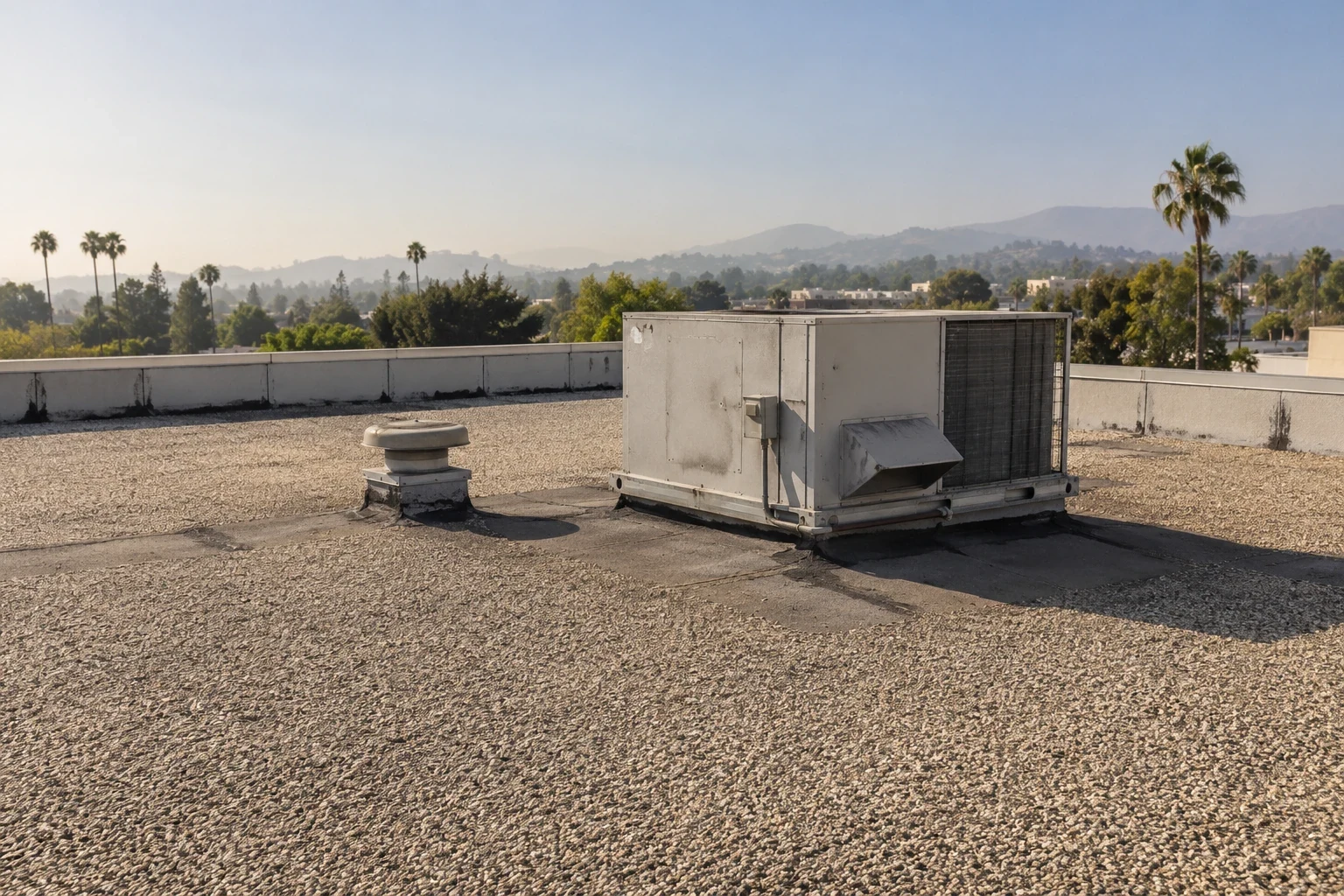
Built-Up Commercial Roof Repair and Replacement in Antioch, CA
Repair Antioch built-up roofs with controlled surfacing removal, suitable ply connections and corrected substrates. Set drainage and occupied-work handoffs.
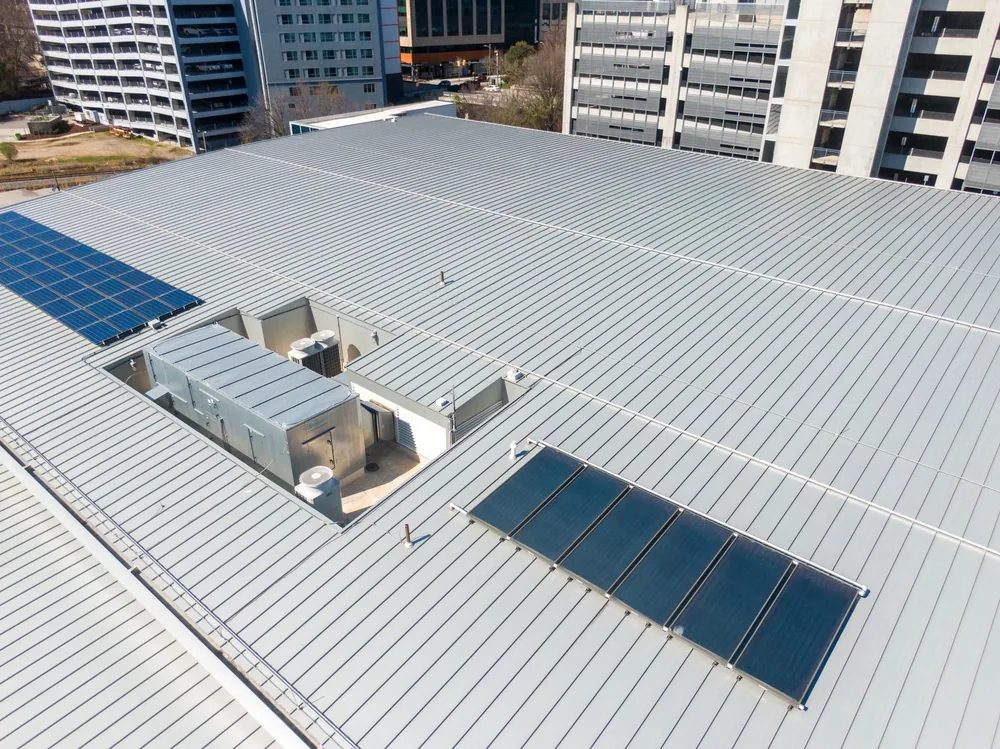
Standing Seam Commercial Metal Roofing in Antioch, CA
Repair Antioch standing seam roofs with examined clips, fitted transitions and controlled panel removal. Set support and equipment changes before closure.
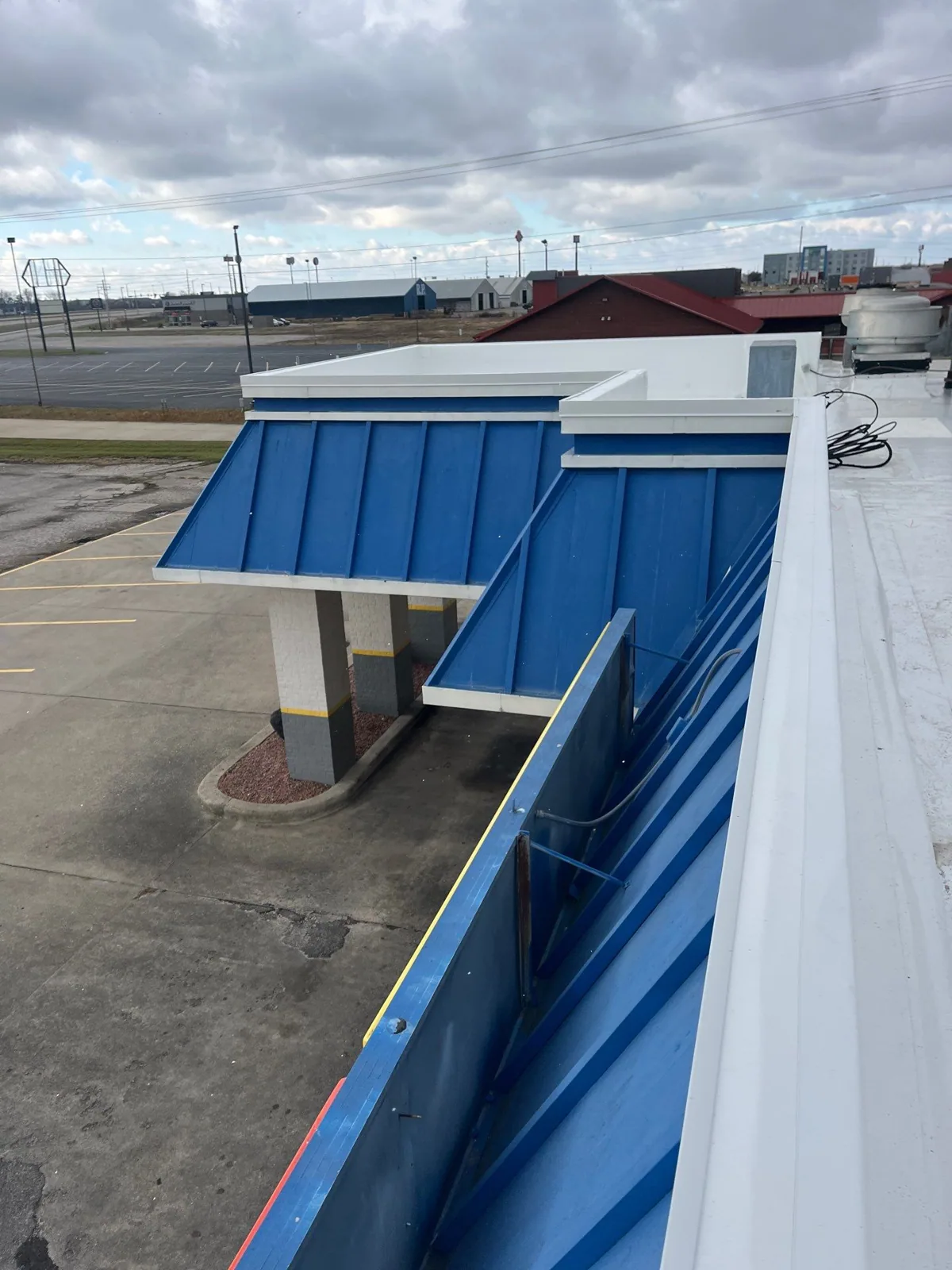
Commercial Metal Roof Retrofit in Antioch, CA
Retrofit Antioch metal roofs with examined panels, suitable receiving layers and coordinated perimeter details. Resolve attachment and drainage before covering.
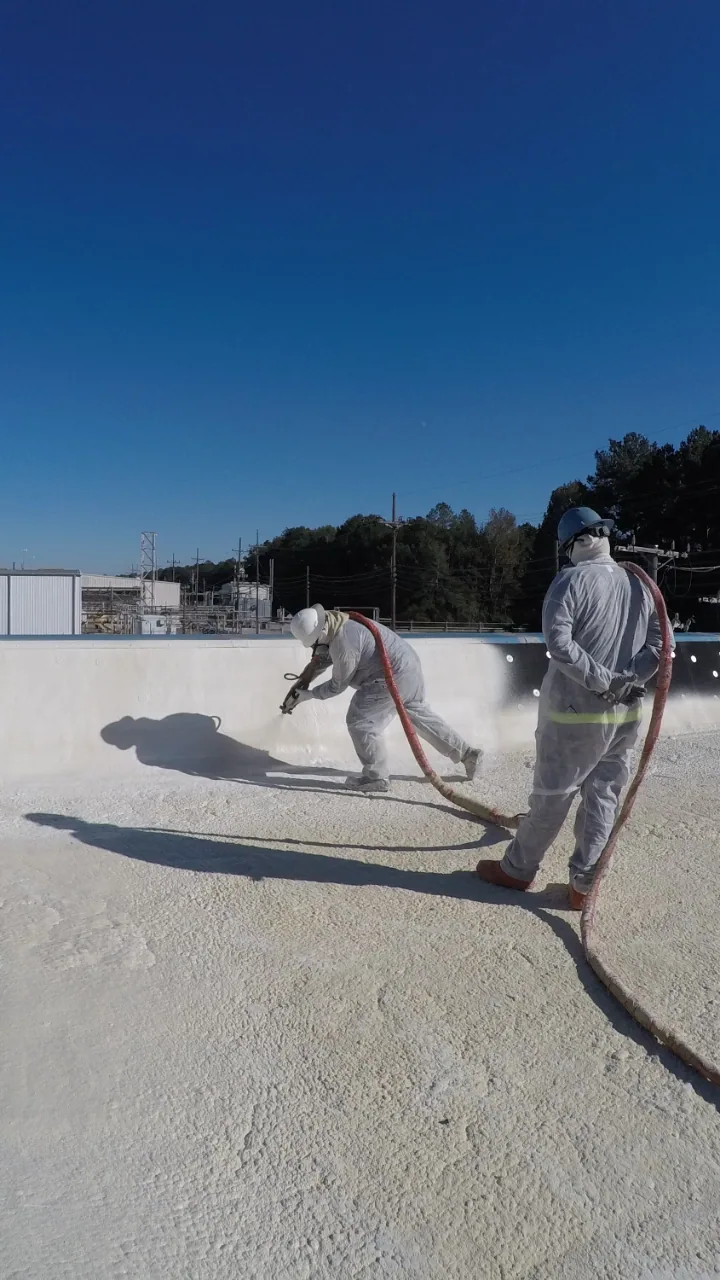
Spray Polyurethane Foam Commercial Roofing in Antioch, CA
Install and repair Antioch spray foam roofs with suitable substrates, protected spray areas and maintained coatings. Coordinate equipment and weather windows.
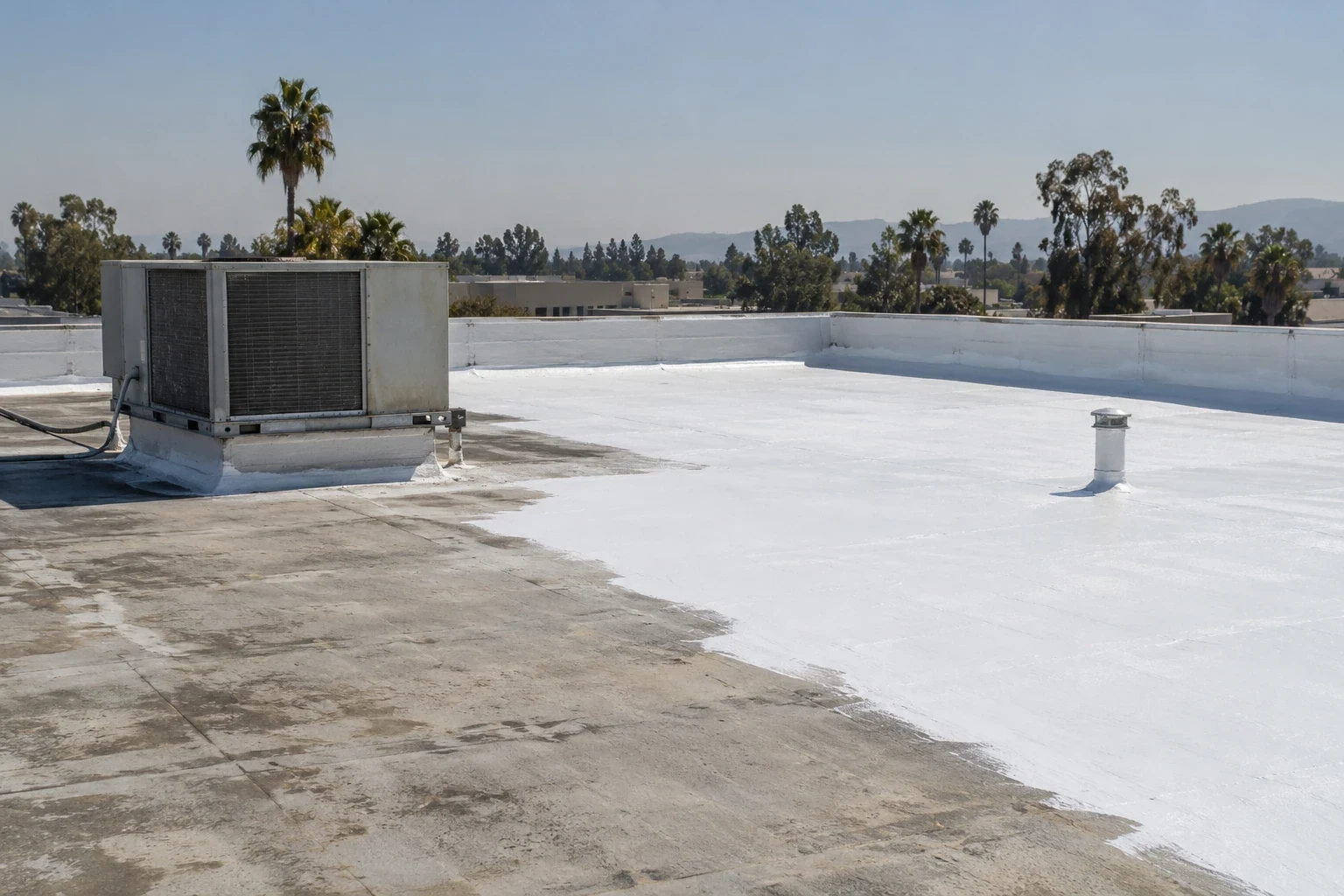
Silicone Commercial Roof Coatings in Antioch, CA
Restore suitable Antioch roofs with silicone coating after cleaning, detail correction and adhesion checks. Set application access and drainage preparation.
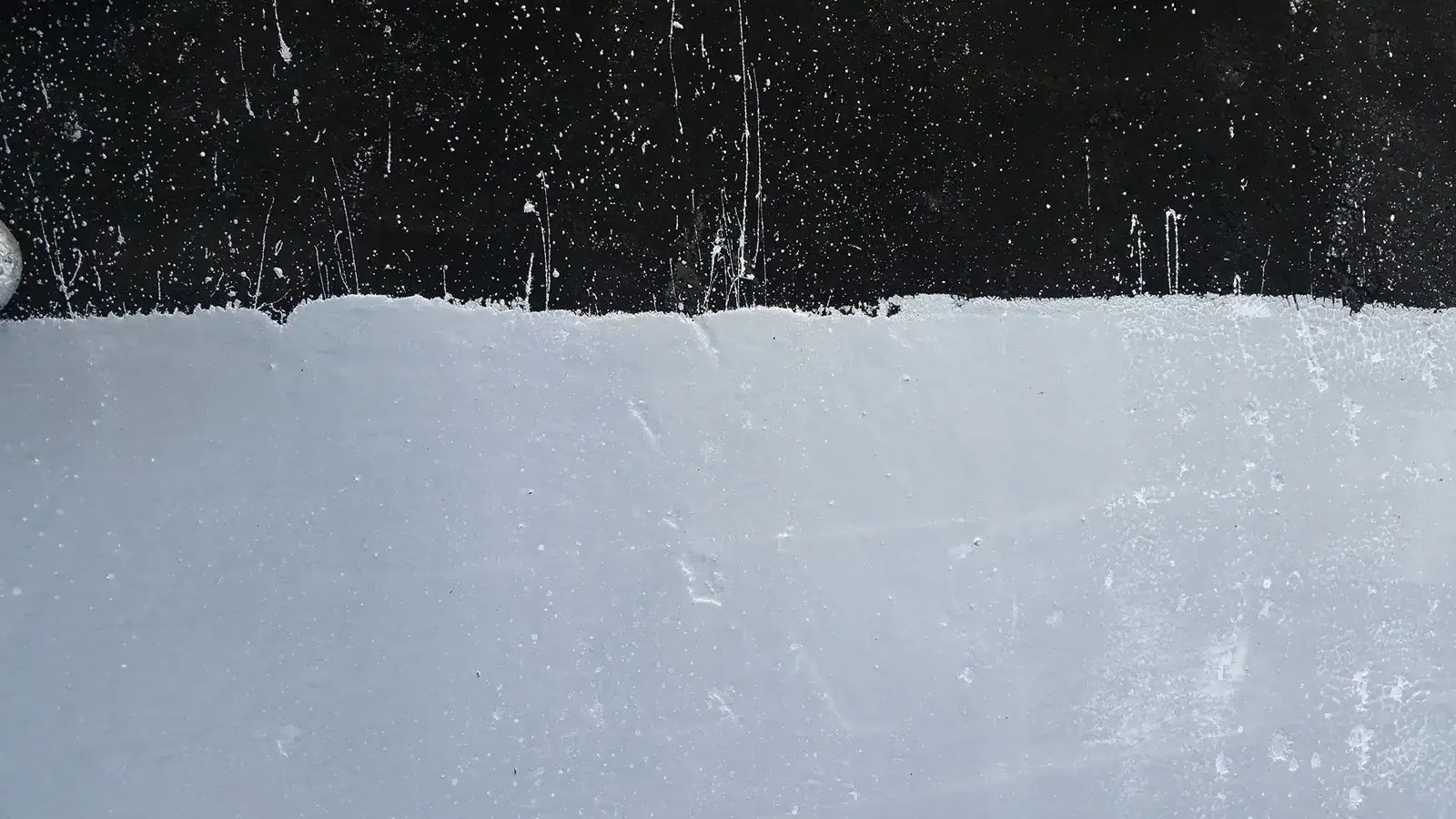
Acrylic Commercial Roof Coatings in Antioch, CA
Coat suitable Antioch roofs with acrylic after substrate preparation, seam correction and weather review. Set clear application areas and drying intervals.
More About Roof Systems
A membrane choice cannot correct a weak deck, trapped moisture, or an edge that has no secure termination. We begin with the assembly already on the building and the work it must support. In Antioch, hot dry summers and cooler-season rain make movement, drainage, and dependable dry-in practical inspection points. The TPO, PVC, and EPDM options are evaluated against the roof rather than treated as interchangeable products.
State Route 4 connects Antioch to communities east and west, while the city's waterfront includes marinas and boatyards. Those local uses do not dictate a roof assembly; they make access, staging, and operating limits part of the first conversation. We record the deck, insulation, seams, penetrations, edge metal, and clear drain path before recommending repair, recover, or replacement.
What must the assembly tell us?
A roof walk identifies the visible system and its weak transitions. We check seam condition, membrane attachment, curb flashing, drain bowls, scuppers, edge restraint, and signs of movement. If water may be held below the surface, a moisture survey can help target test cuts; it does not replace verification of the roof layers. A condition report separates observed facts from assumptions that need an opening.
Metal roofs call for a different review. Fasteners, laps, panel movement, penetrations, and existing coatings can affect whether a standing-seam roof or metal retrofit can be repaired or renewed. We identify the substrate and attachment before including a coating or overlay in a proposal.
How do the options differ?
Single-ply membranes, built-up assemblies, modified bitumen, and metal each have distinct seams and details. The scope should name the membrane, reinforcement or ply, insulation, cover board, attachment, flashing, and edge termination. Modified bitumen and built-up roofing are evaluated by their existing layers and repair boundary. A KEE system or spray foam assembly likewise needs a sound substrate and compatible details.
Coatings are not a shortcut around preparation. Where the existing surface is suitable, silicone or acrylic restoration may be scoped after moisture, adhesion, and drainage are checked. If water has reached insulation or deck, those components need a separate repair decision before a surface treatment is priced.
How do we set a buildable sequence?
We state removal limits, daily dry-in, temporary protection, and handoffs around rooftop equipment. The proposal should show how a drain, curb, skylight, and perimeter are carried into the selected system. Antioch's waterfront includes marinas and boatyards, where property operations may have particular access needs; each roof's actual route and water-management details are confirmed on site. The crew closes each section with its drainage route open.
Before work, the general contractor confirms staging, hoisting, occupied areas, and other trades. At closeout, photographs identify installed materials, repaired transitions, and follow-up items. That record gives future maintenance a useful starting point.
What belongs in the comparison?
Compare complete assemblies rather than a membrane name alone. The owner should see how each option handles existing layers, insulation, deck repairs, drains, edge metal, penetrations, and access. A replacement may address multiple components at once; a defined repair can be appropriate when failure is limited and the surrounding assembly remains serviceable. A recover is considered only when the structure and existing layers allow it.
We document what is included, what remains an allowance, and what must be verified after opening. That makes the choice understandable to the owner and buildable for the field team.
Commercial Roofing Questions
Can you identify the existing roof system?
A site inspection records visible membrane, seams, edge details, penetrations, and any accessible records. Test cuts may be needed to confirm concealed layers.
Does a coating work on every commercial roof?
No. The existing surface, moisture condition, adhesion, drainage, and compatibility determine whether restoration belongs in the scope.
When should a roof be replaced instead of repaired?
Replacement is considered when deterioration reaches multiple areas or the supporting assembly needs broad work. We compare that scope with defined repairs and their limits.
What should a system proposal include?
It should identify the assembly, preparation, insulation, flashing, edge treatment, removal boundary, daily dry-in, and the conditions that require further verification.
Compare the roof assembly
Share the Antioch property, roof type if known, observed failures, and required work window. We will inspect the assembly and define practical system options.