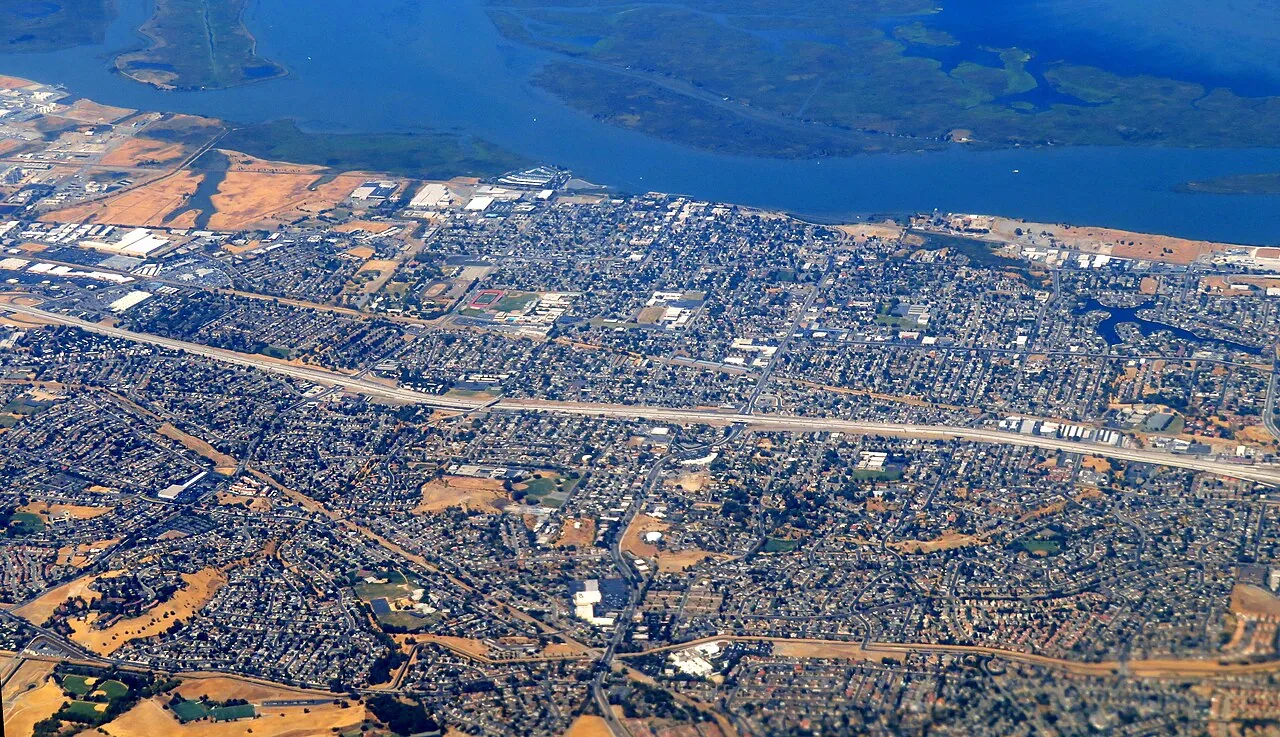
What should be verified on a Pittsburg commercial roof?
We begin with roof records when available, then verify the existing system in the field. The visit checks roof layers, previous repairs, drains, scuppers, insulation condition, deck attachment, parapets, and penetrations. Core samples or moisture scans can help establish whether water has spread below the membrane. We note roof areas that cannot be reached and avoid treating them as inspected. That distinction keeps the bid factual and lets the owner decide where additional access is worthwhile.
State Route 4 passes through Pittsburg, so deliveries and equipment moves can be scheduled from the actual site entrance and traffic plan. The GC confirms crane access, material staging, and the property’s loading rules before mobilization. We confirm those with the site lead. If roof work is near an active loading or production area, the crew separates material paths from occupant routes and protects drains from debris. Each shift has a removal limit that can be closed before the crew leaves.
How do we set the repair boundary?
At the leak location, we trace the path across laps, curbs, wall transitions, and drains. The wet interior may be several feet from the opening, so we inspect above the ceiling path when access is safe and available. We remove loose or failed membrane, dry the surface, and confirm the substrate before patching. If the insulation is saturated or the deck is deteriorated, we expand the work only after documenting the material and getting the owner's direction.
Pittsburg includes industrial properties, and each project starts by identifying the installed roof system before selecting compatible repair materials. We record membrane type, patch dimensions, weld or bond method, and photographs. Where runoff is involved, the scope checks the drain and scupper connections. A repair that closes the field sheet but leaves a blocked drain or failed bowl will not address the water path.
When should a roof move from repair to replacement?
Replacement may be more practical when leaks recur across several details, wet insulation appears in multiple areas, or deck repairs extend beyond a small section. We map the conditions and show the relative repair boundaries before proposing a larger scope. Recover is an option only if the existing materials, moisture level, deck capacity, and new assembly requirements permit it. If those conditions do not fit, the proposal identifies tear-off and the expected weather-protection sequence.
The scope spells out membrane, insulation, cover board, attachment, perimeter fastening, flashing, metal, and drainage. It also shows who is responsible for each curb and equipment opening. On a complex roof, we separate elevations by assembly and note any work that depends on a trade schedule. A documented replacement scope can be compared with a recover plan and targeted repairs on the same roof map.
How should business operations fit into the roof sequence?
Los Medanos College and Ramar Foods appear in Pittsburg's 2020 employer table. For occupied work, the site contact confirms business hours, receiving windows, and interior protection needs. For each job, we coordinate with the owner, tenants, and site manager to understand the actual property schedule. We confirm delivery windows, roof access, equipment shutdowns, and any interior protection before scheduling removal.
The crew maintains a defined dry-in line and keeps drains functioning while the roof is open. When another trade needs a penetration, the work order identifies the opening, flashing detail, and inspection point. On occupied buildings, the schedule can divide the roof into zones that return to service independently. A phased roofing plan helps track those boundaries. We also offer a commercial inspection before bid so the GC can review access, scope, and hidden-condition allowances.
What should be documented after roofing work?
At turnover, we provide a roof plan, photos of seams and flashing before they are covered, records of deck or insulation replacement, and a list of remaining work. The owner should retain those with the product submittals and record any later equipment changes. Clear records keep a future repair from crossing an unknown patch or an undocumented curb. They also show what was inspected and which area was inaccessible.
Routine maintenance checks drains, edge metal, flashing, and any routes used by service contractors. If the roof has several sections, condition notes should identify each separately. A roof condition report can establish repair priorities, while asset management can track follow-up work. At each Pittsburg property, we examine roof exposure, drainage, and material condition before defining the repair boundary.
State Route 4 runs through Pittsburg. We use the actual site entrance and delivery plan to set material arrival, crane placement, and the route from the laydown area to the roof. Pittsburg’s 2020 employer table lists Los Medanos College and Ramar Foods. For each job, the owner or GC identifies the facility contact and operating limits. For any occupied property, the operator identifies protected areas and business-hour limits before we set the daily removal line.
After exposing a roof section, the crew checks the deck before installing new insulation or cover board. Loose fasteners, corrosion, or deflection can require a repair that was not visible from above. We photograph the condition, compare it with the agreed allowance, and confirm the next step with the owner. This pause prevents new roofing from concealing an unresolved structural or substrate issue. The final record distinguishes completed work from any condition that remains outside the roofing contract.
Nearby service planning includes Antioch and Oakley, each with its own roof survey and scope.
Before a repair is approved, we separate visible damage from the conditions that can only be confirmed by opening the roof. A puncture may be localized, while wet insulation can carry moisture beyond the point of entry. We mark the test area, photograph each layer, and get owner direction if the removal boundary expands. This keeps the permanent repair tied to the material we find instead of the first symptom seen indoors.
Commercial Roofing Questions
Can you inspect a Pittsburg building before the bid deadline?
Yes, subject to safe roof access and the project schedule. We record visible conditions, note inaccessible sections, and identify openings or testing needed to confirm concealed material.
Does a commercial roof inspection include repair pricing?
The inspection documents condition and recommended actions. Repair pricing can be prepared when the failed area and repair boundary are clear.
Can work be scheduled around a college or food operation?
We coordinate with the property team and the actual operating schedule. Access, protection, equipment, and daily dry-in determine the workable phases.
How do you handle wet insulation found during tear-off?
We stop at the agreed boundary, document the condition, and get direction for removal or replacement. The scope identifies how concealed deck work is priced.
What makes a roof suitable for recover?
The existing assembly must be dry, stable, compatible, and able to support the new system. We verify those conditions before recommending that materials remain.
Related Roofing Work