How does an inspection become a scope?
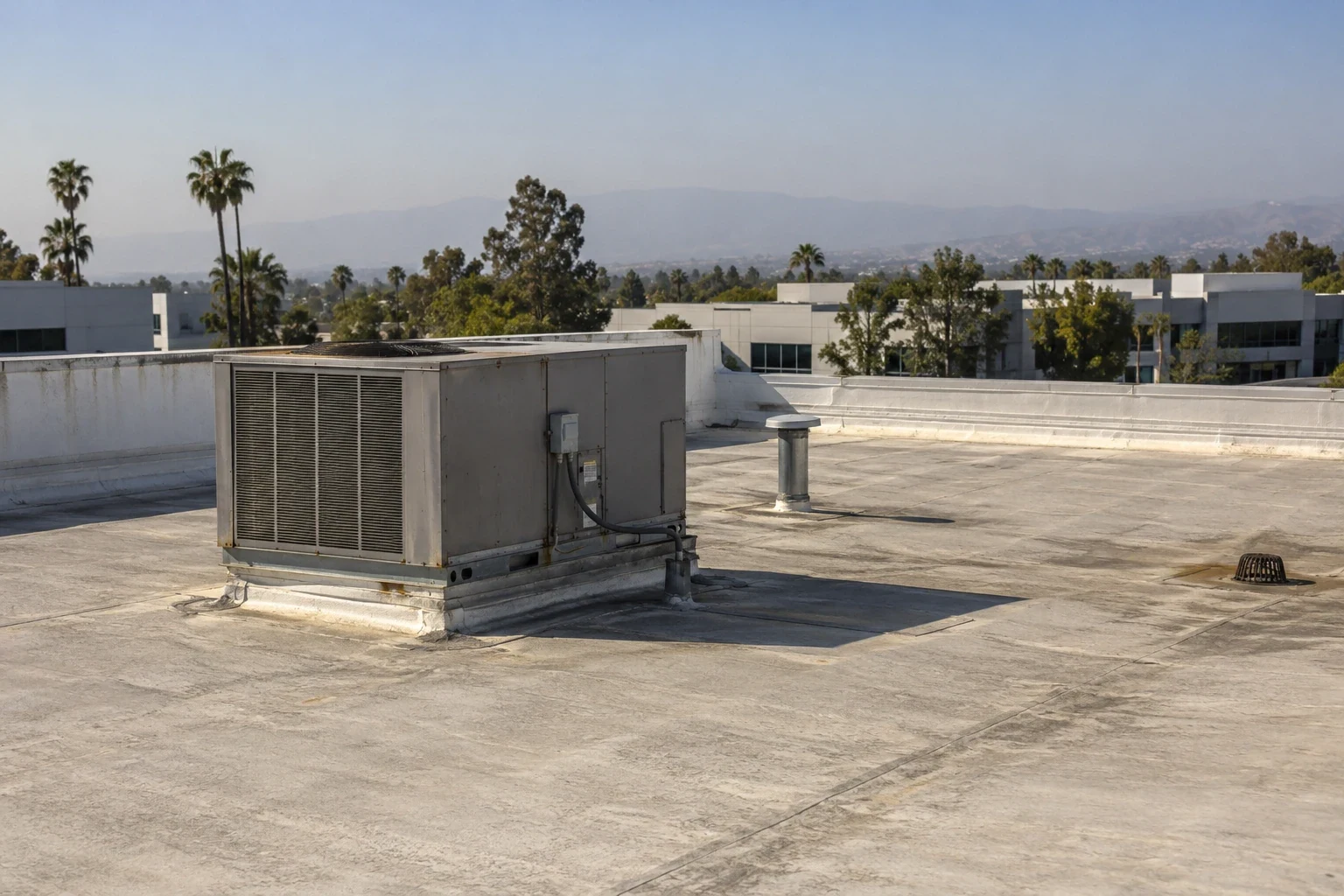
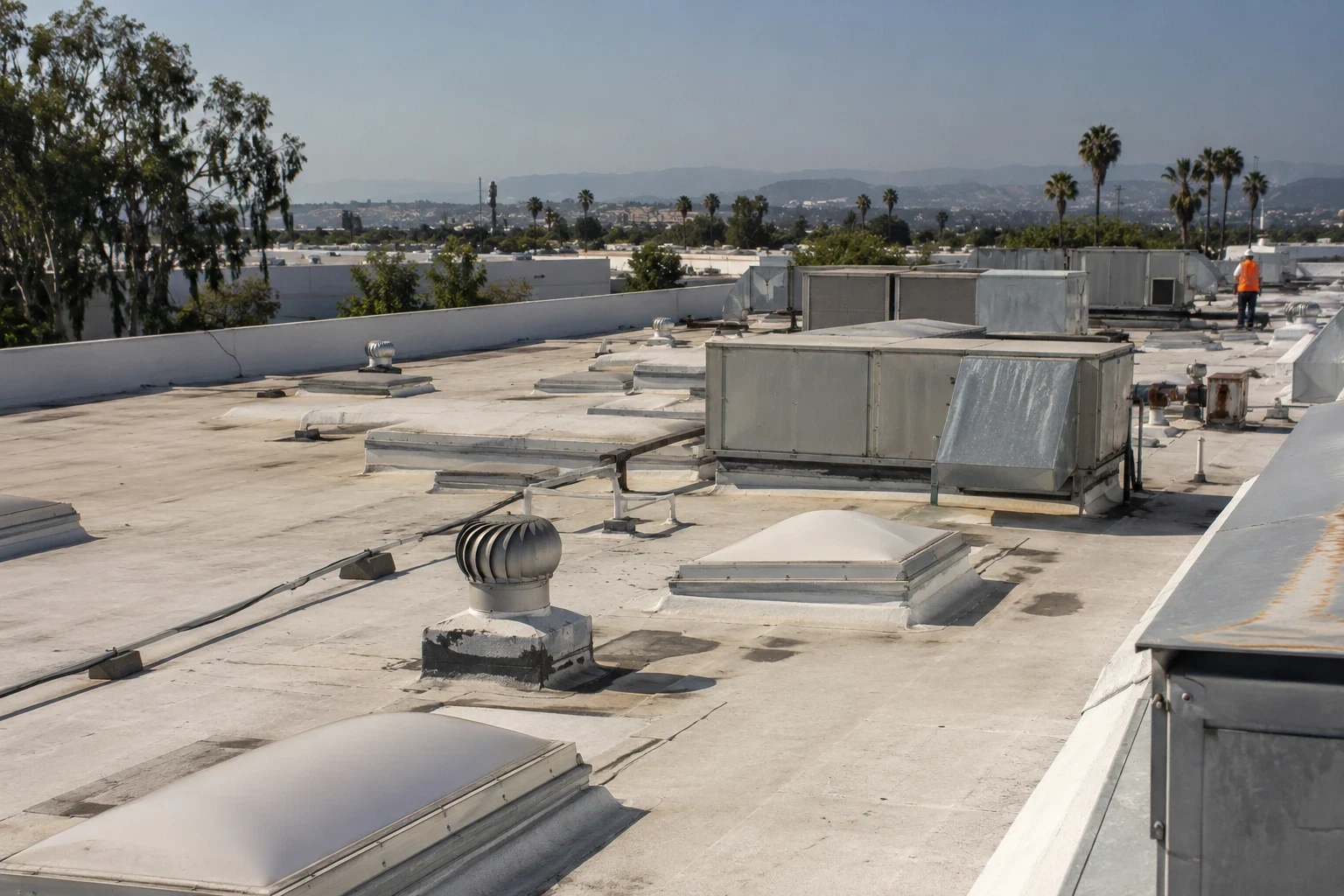
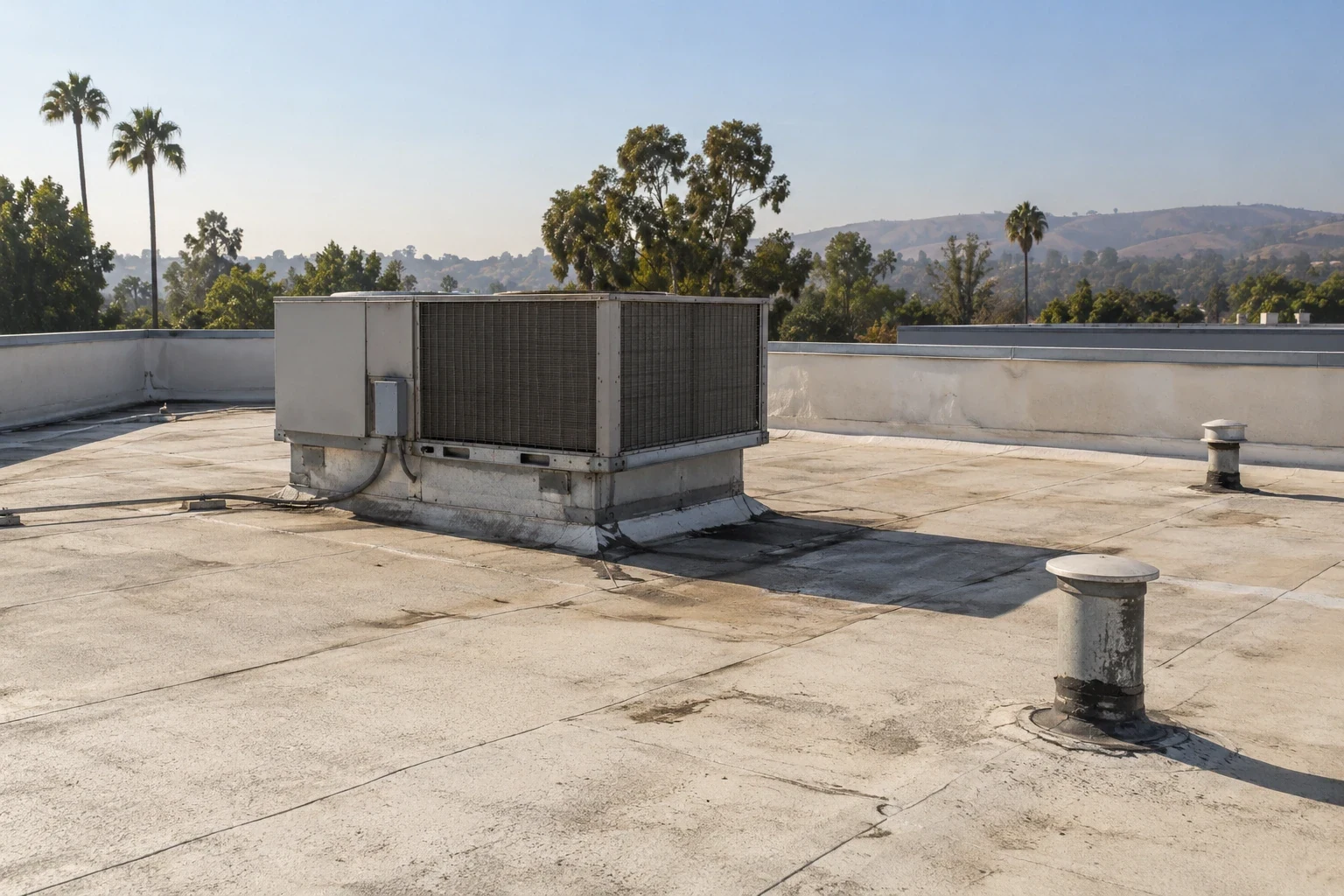
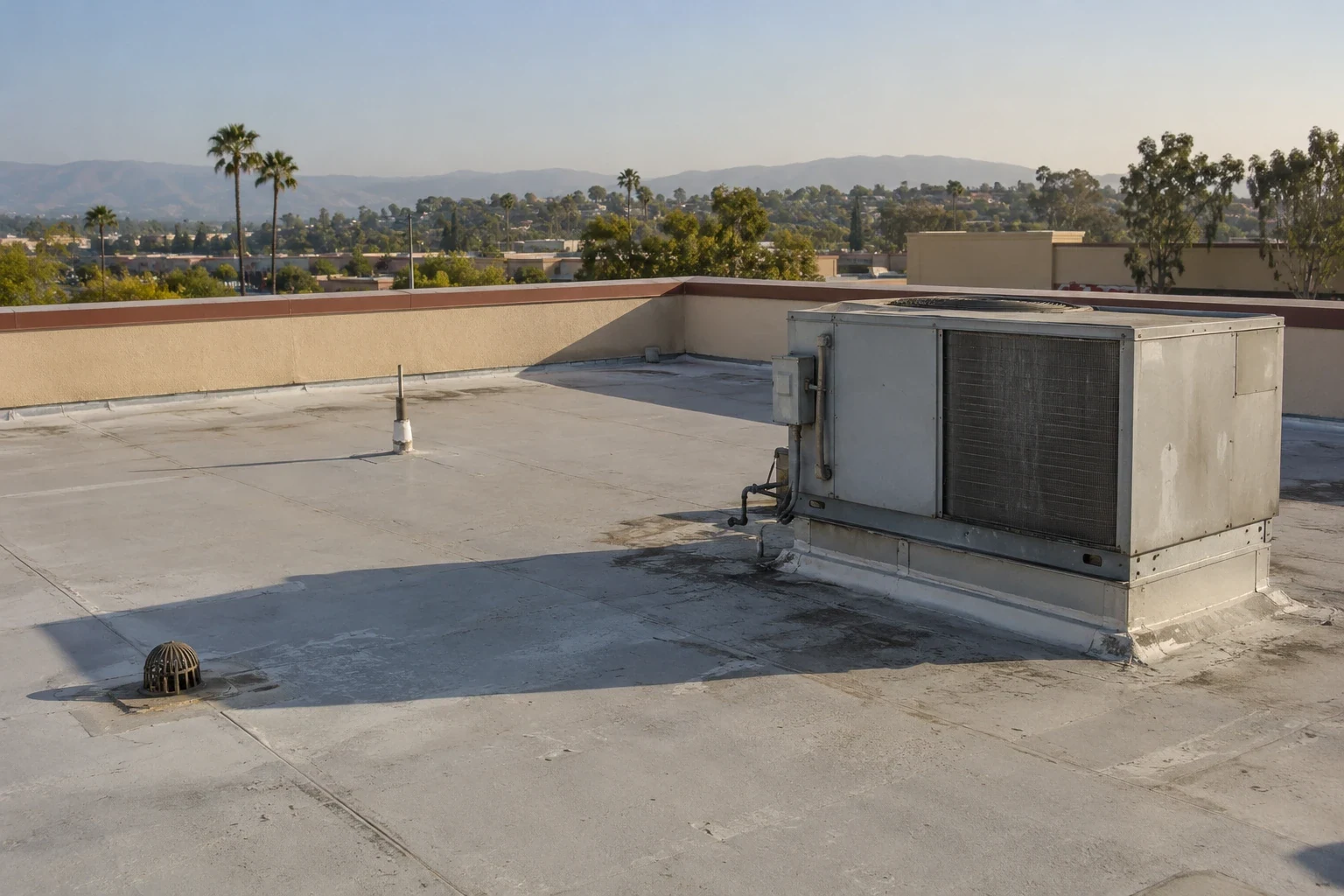
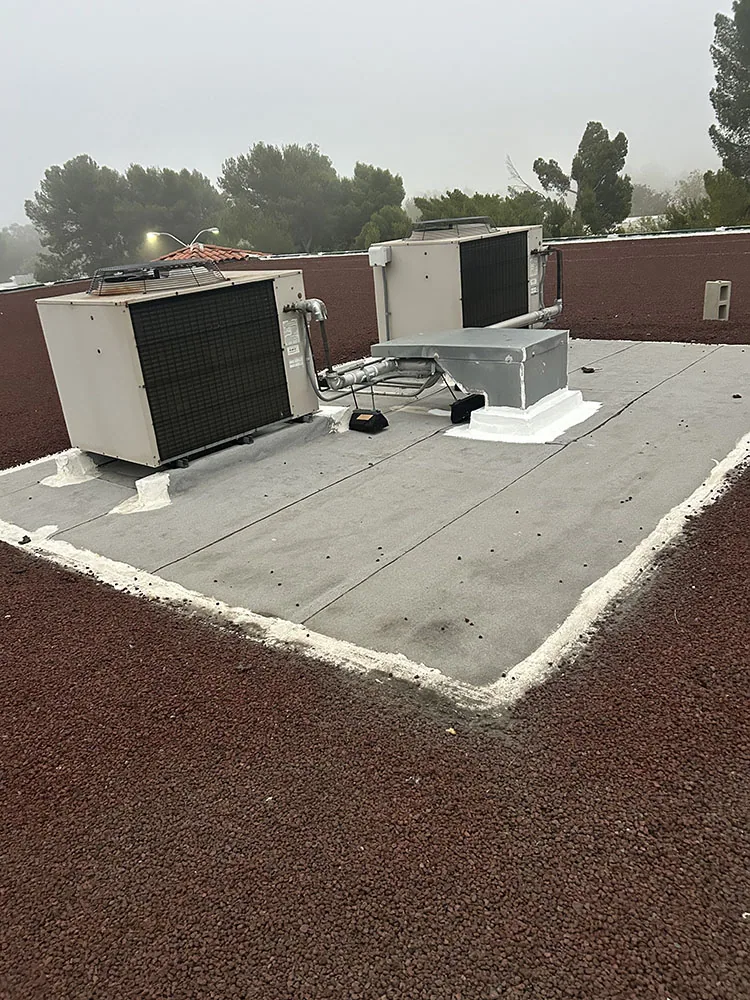
We begin with the roof area, reported leak, prior repair, and operating limits. The inspection checks visible seams, membrane condition, flashing, drains, scuppers, parapets, penetrations, edge metal, and any accessible evidence of insulation or deck damage. We photograph the conditions and note where access prevented verification. When concealed moisture or assembly layers could change the work, the report identifies a test or opening needed before the owner commits to a broader scope.
A useful scope distinguishes observed damage from a hypothesis. It describes the repair boundary and states what will be removed, what substrate must be sound, and how the work will tie into the existing roof. If the roof has multiple patches or deterioration across several areas, the owner can compare a targeted repair with replacement, recover, or restoration options. Those choices need separate assumptions and preparation plans, not a single price that hides what may change after opening.
Our commercial roof inspections and condition reports organize that information for project decisions. They record roof areas, details, visible conditions, and follow-up questions, so the general contractor can coordinate the next trade and the property manager has a record for future service.
What happens when water is entering?
When a leak is active, the first priority is protecting the opening and limiting damage below. If roof access and conditions allow, we can define temporary protection while the permanent repair is investigated. The source may be a failed lap, curb flashing, drain connection, open penetration, or another transition. Water can travel below the surface before appearing indoors, so the location of a ceiling stain is a clue rather than proof of the roof entry point.
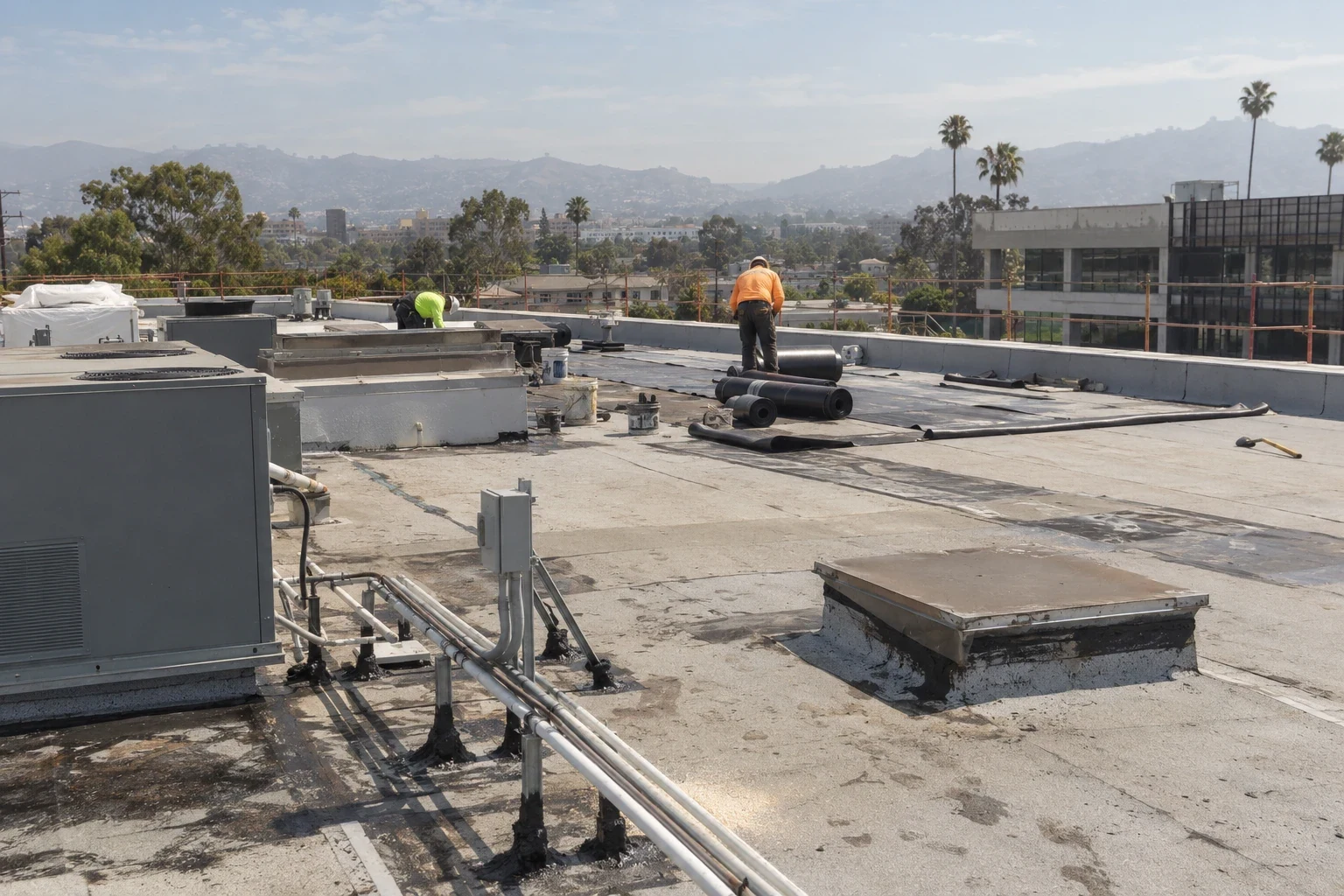
A permanent repair includes appropriate preparation and a connection to sound material. The scope names the removal limit, replacement or patch materials, flashing work, and daily dry-in. If wet insulation or deck damage is found, the contractor and owner review that condition before extending the work. Our commercial roof repair and emergency response services focus on the detail, the opening, and the handoff needed to restore the assembly.
Antioch's January 2019 atmospheric-river storm produced a 2.46-inch report over 48 hours at Antioch 2.2 WSW. It is useful background when planning drainage reviews and protecting open roof sections during the wet season. Current drainage, roof slope, and leak evidence still have to be checked at the property; a past storm cannot establish the cause of a new leak.
When does a larger project make sense?
Replacement may be appropriate when failures extend across several areas, roof layers have reached the end of useful service, or repeated repairs no longer address the underlying assembly. Before recommending it, we document seams, insulation, deck, edge conditions, drainage, and prior patches. A proposal describes the membrane or panel system, insulation, cover board, attachment, edge details, penetrations, and removal assumptions. If a recover is possible, the existing layers and substrate must support that approach.
Antioch's hot summer conditions make heat movement at unlike materials an inspection point, especially where rigid curbs, equipment supports, or metal edges interrupt a flexible roof. A coating or restoration may be considered only if the existing surface is suitable and moisture, adhesion, and drainage are addressed. Our replacement planning and coating restoration scopes explain which assembly conditions drive each option.
We do not treat a membrane label as a complete design. The roof has to shed water at its drains and scuppers, secure at its perimeter, and connect cleanly to walls and equipment. The proposal should identify details that require another trade and set a clear handoff for those components.
How is work coordinated around operations?
Before mobilization, the owner or GC confirms the work window, staging location, hoisting plan, occupied entrances, equipment restrictions, and access rules. On an occupied building, we identify where noise or temporary interior protection will matter. Removal is divided into sections the crew can prepare and secure within the shift. The plan includes temporary dry-in and a daily closure point so roof openings do not outgrow the crew's ability to protect them.
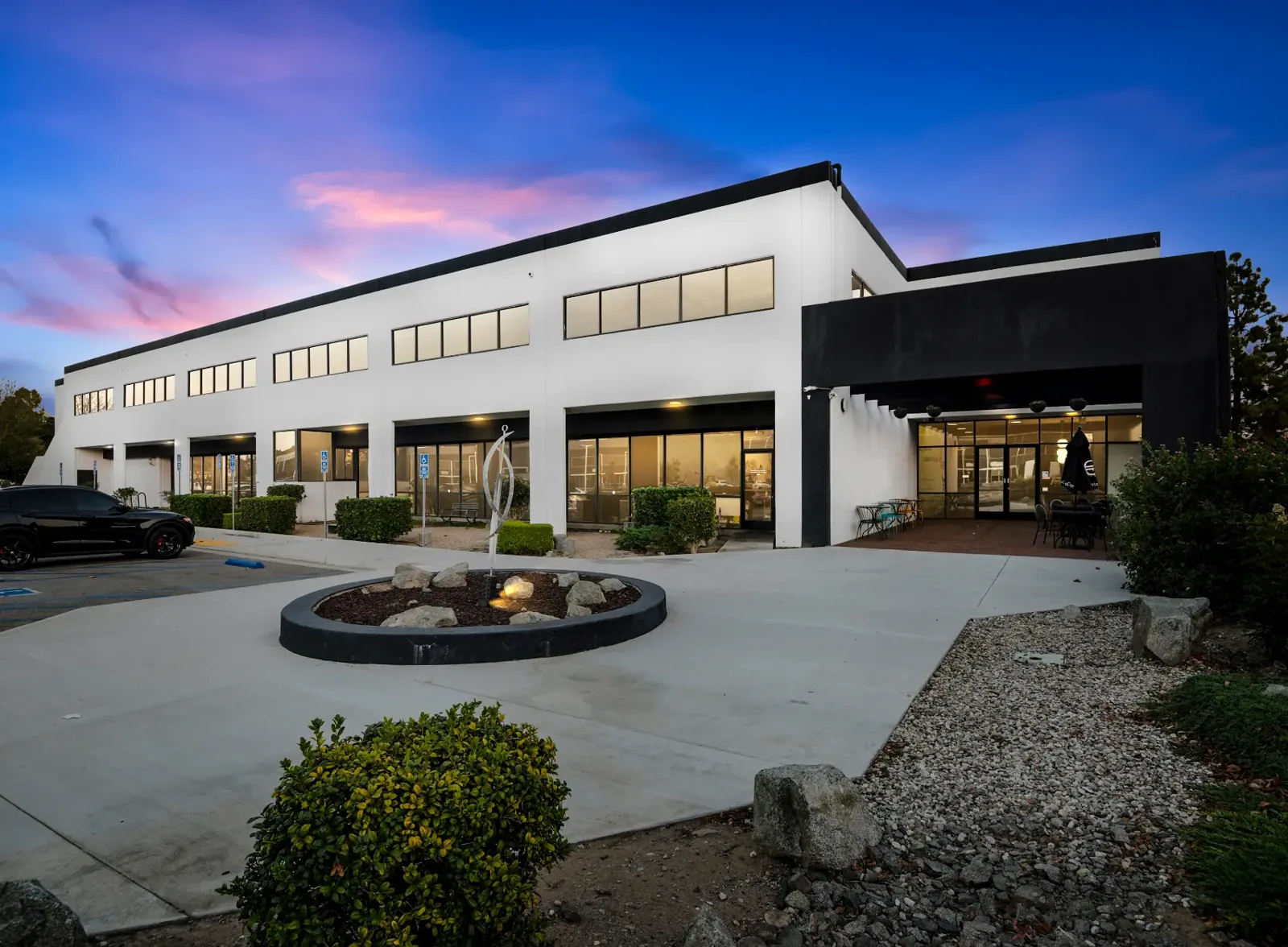
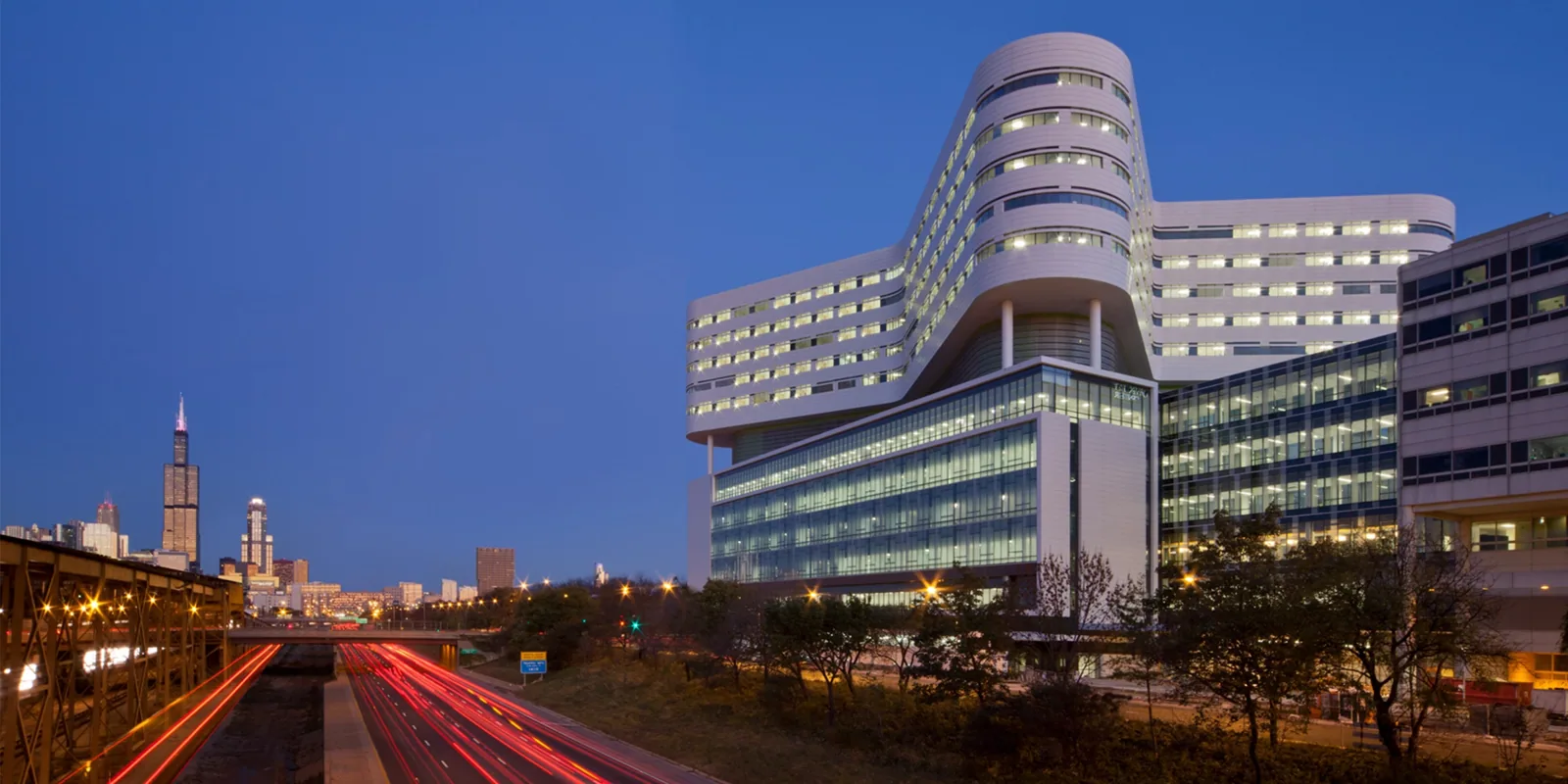
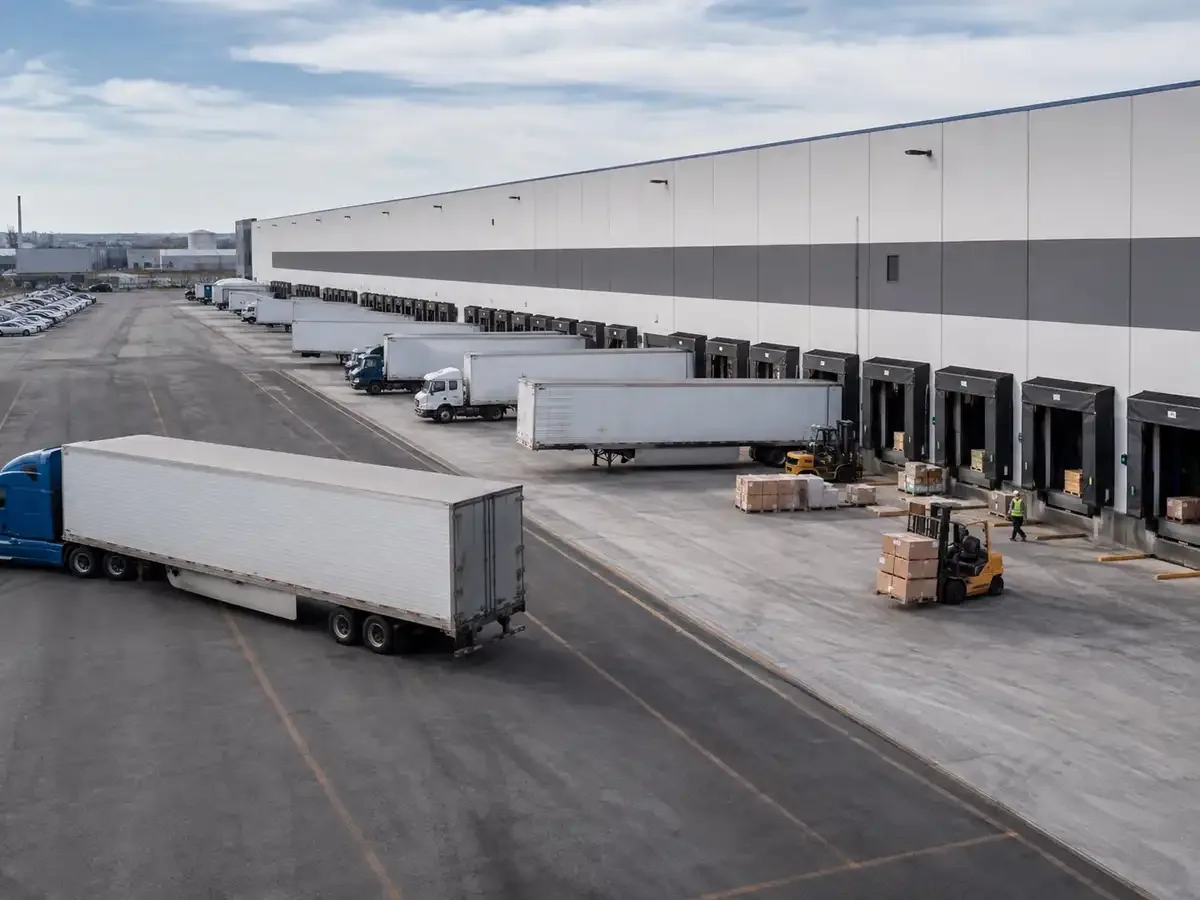
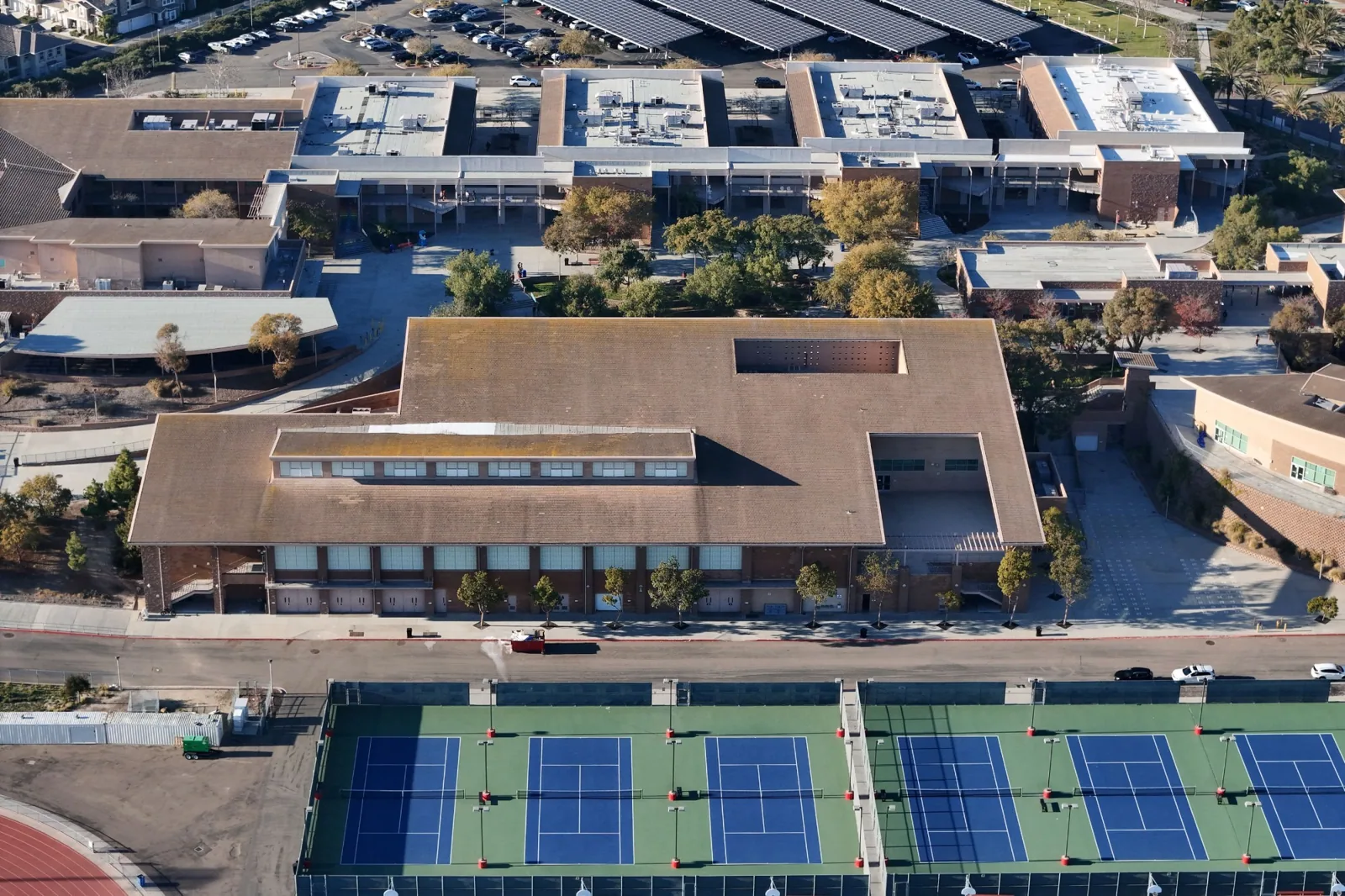
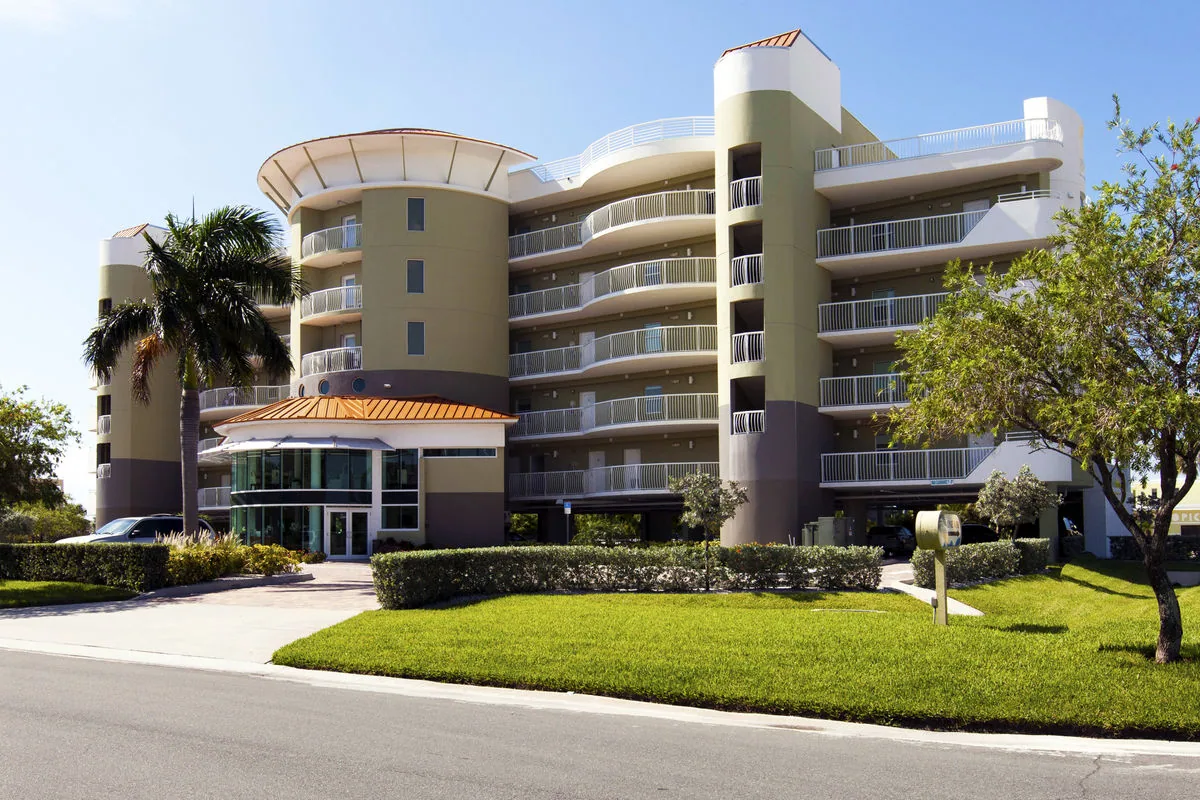
Commercial Roofing Antioch serves project types that include warehouses, distribution properties, offices, schools, healthcare facilities, retail buildings, and industrial space. Healthcare, education, warehouse, retail, and industrial properties each have different access and operating constraints. We confirm occupied entrances, equipment restrictions, and work windows with the owner or property representative before setting the roof sequence.
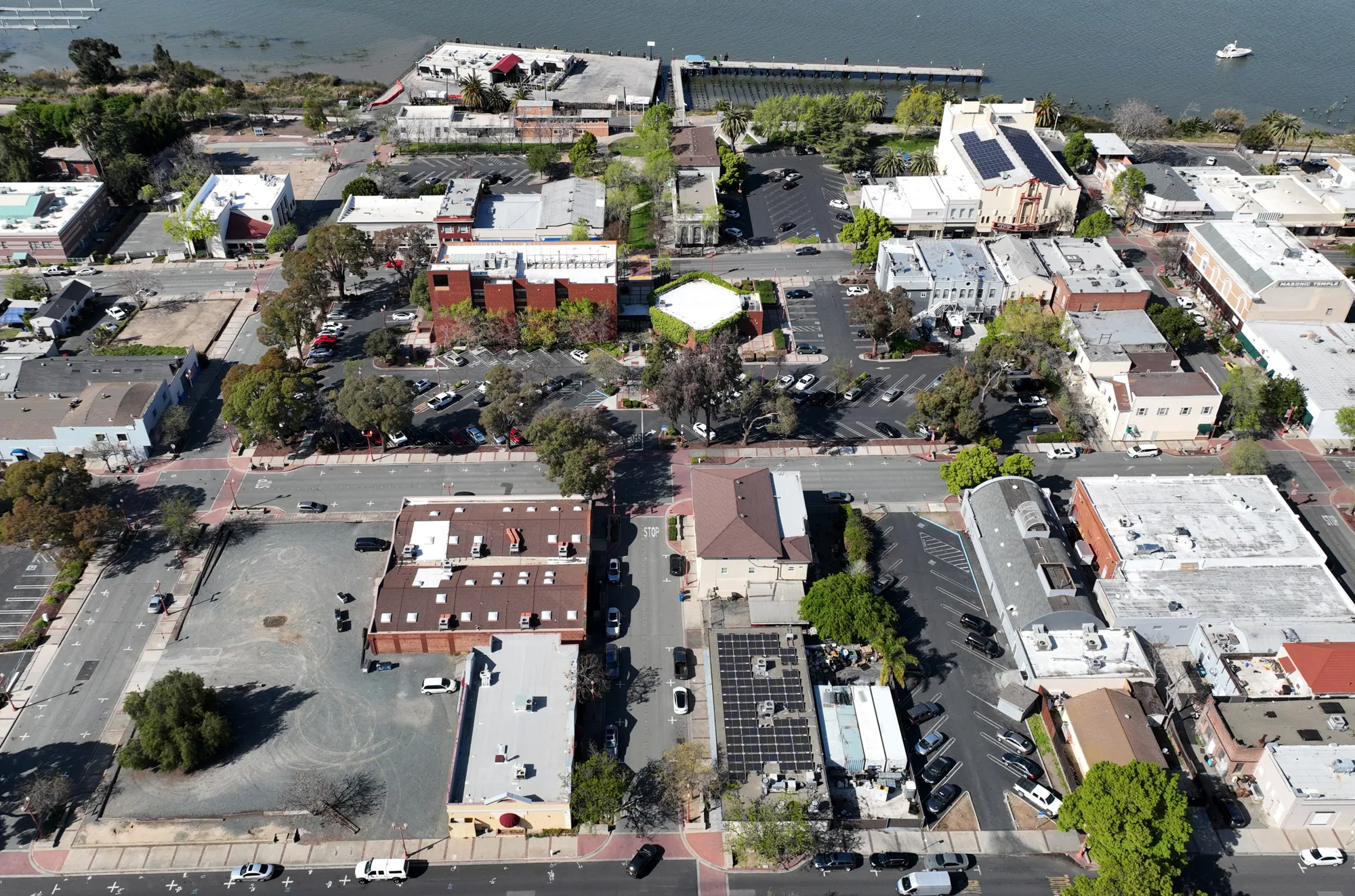
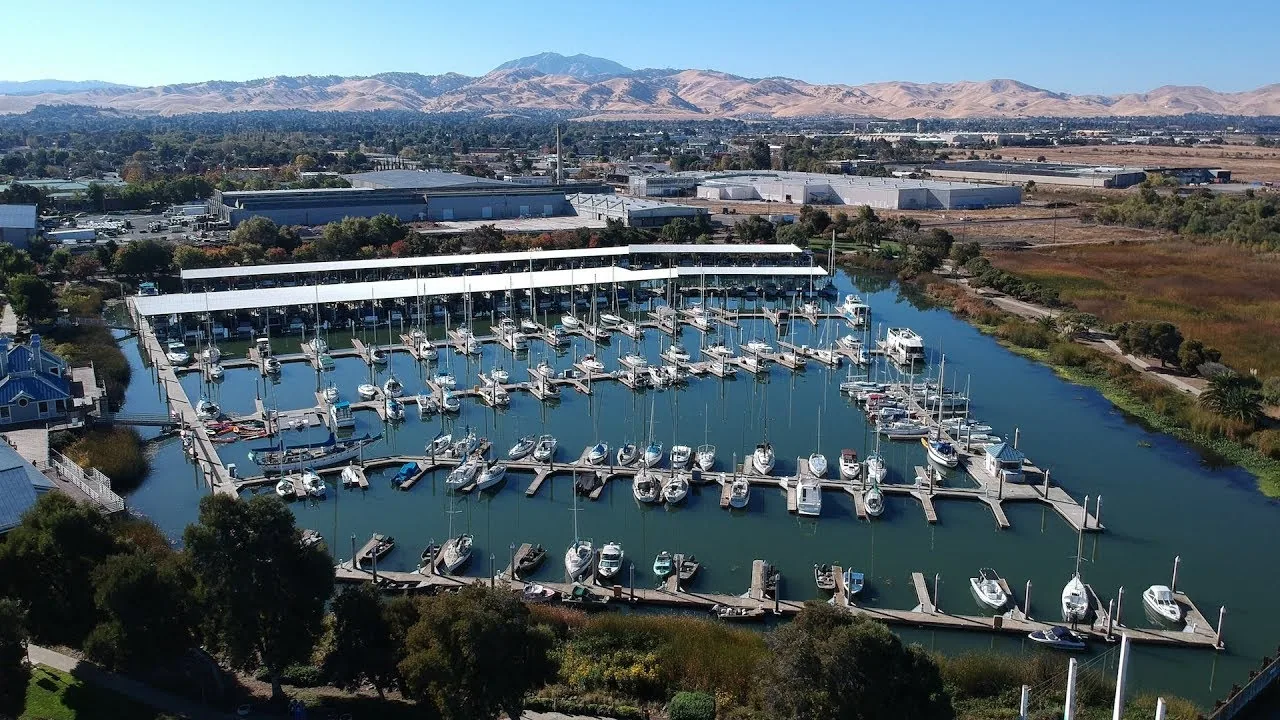
State Route 4 is Antioch's principal freeway link east and west. Antioch also lies beside the San Joaquin River and Stockton Deepwater Shipping Channel, and its waterfront includes marinas and boatyards. At the project site, we review staging, roof access, drainage, and current weather conditions before setting the work plan. We verify actual access, staging, and drainage during project planning.
What does closeout leave behind?
At turnover, we record the areas completed, materials installed, finished seams and flashing, drain observations, and any item that remains open. Photographs help a property manager or maintenance team locate the work later. The record distinguishes completed repair from a recommendation that needs inspection, testing, or owner approval. It also notes access limits, so the next contractor does not mistake an inaccessible area for a confirmed condition.
For ongoing care, preventive maintenance can monitor drains, seams, penetrations, and prior repairs. A maintenance visit is an opportunity to observe and report; warranty questions follow the written terms and the party responsible for them.
Owners managing more than one building may use a consistent record format while retaining each roof's own history. Roof asset management can organize inspection dates and work records; capital planning can separate immediate repairs from longer-range projects. The information remains tied to observations, current documents, and stated assumptions.
Where do we work?
We serve Antioch and nearby municipalities and communities where a project can be scheduled and accessed safely. The service area includes Pittsburg, Oakley, Brentwood, Concord, Martinez, Fairfield, Benicia, and Delta communities. We plan each project with the property’s access contact. Share that contact and the preferred work window when requesting a site visit.
Availability depends on roof issue, distance, crew schedule, and work window. We confirm these points before setting a visit. Include controlled access, hoisting needs, or operating-equipment limits when requesting service.
We inspect first, define what is known, and explain what requires verification. The owner can then choose a repair, further testing, or broader work.
What should you bring to the first conversation?
Share the property city, building use, roof condition, recent repair date if known, and access requirements. Roof plans, warranty documents, inspection reports, and photographs help, though a site visit is needed to confirm current conditions. Tell us which areas must remain open and who can approve a scope change if concealed damage appears.
We use that information to define the inspection and the next decision. Before the roof is opened, the project team will have a repair boundary and daily dry-in plan. Closeout photographs and follow-up notes give the owner a starting point for future maintenance.
Contact Commercial Roofing Antioch with the roof concern and desired work window. We can confirm schedule and identify the next field step.
Questions from Antioch Building Owners
What types of commercial roofs do you inspect?
We inspect low-slope membrane, built-up, modified-bitumen, and metal assemblies, subject to access and project scope.
Do you provide a recommendation before testing concealed layers?
We report visible conditions and identify when a test opening or additional survey is needed. Concealed layers are not treated as confirmed without verification.
Can roofing work be phased around an operating building?
We can plan sections, work hours, protection, and daily closure with the owner or GC, based on safe access and the building's requirements.
What happens if the crew finds more damage after opening the roof?
The team documents the condition, pauses at the approved boundary, and reviews the added work and cost with the owner before proceeding.