What belongs in the roof inventory?
Start with the building name or identifier, roof areas, known system, available plans, prior repair records, warranty documents, and the date of the latest inspection. Diligence Notes should say which sections were accessible and what could not be verified. Where the roof assembly is unknown, mark it for confirmation instead of assigning a material from appearance alone. A clear record makes it easier for the next person to find the drain, curb, seam, or perimeter detail under discussion.
A commercial roof inspection adds current observations to those records. Photos show the condition of membrane seams, edge metal, penetrations, drainage, and previous patches. Each image should connect to a roof area or plan reference. The inspection can also state whether a moisture survey or test opening is needed before a repair quantity or replacement assumption is finalized.
How do findings become trackable tasks?
A finding needs a concise description, location, evidence, and recommended next step. A loose edge, blocked drain, open lap, or questionable curb connection should be recorded as a specific condition, not a general rating with no field reference. Roof condition reports can separate immediate water-entry work from maintenance and longer-range planning. If concealed insulation or deck may be involved, the action should call for verification rather than describe an unseen condition as certain.
For an outlet or scupper, the record can note accessible debris, visible membrane condition, and whether another trade must examine the drain assembly. Drain and scupper work should be connected to the actual outlet and roof detail. When a repair affects insulation or cover board, the task should identify the material that must be exposed and the limits of the planned removal.
Which work should be addressed first?
Priorities follow the observed condition, active water entry, consequence of delay, and access needed to complete the work. The owner can distinguish an urgent repair from a planned capital project and from an item that should be monitored at the next visit. Capital planning becomes more useful when a budget line states its scope, assumptions, and required decision date rather than relying on a roof-wide rating alone.
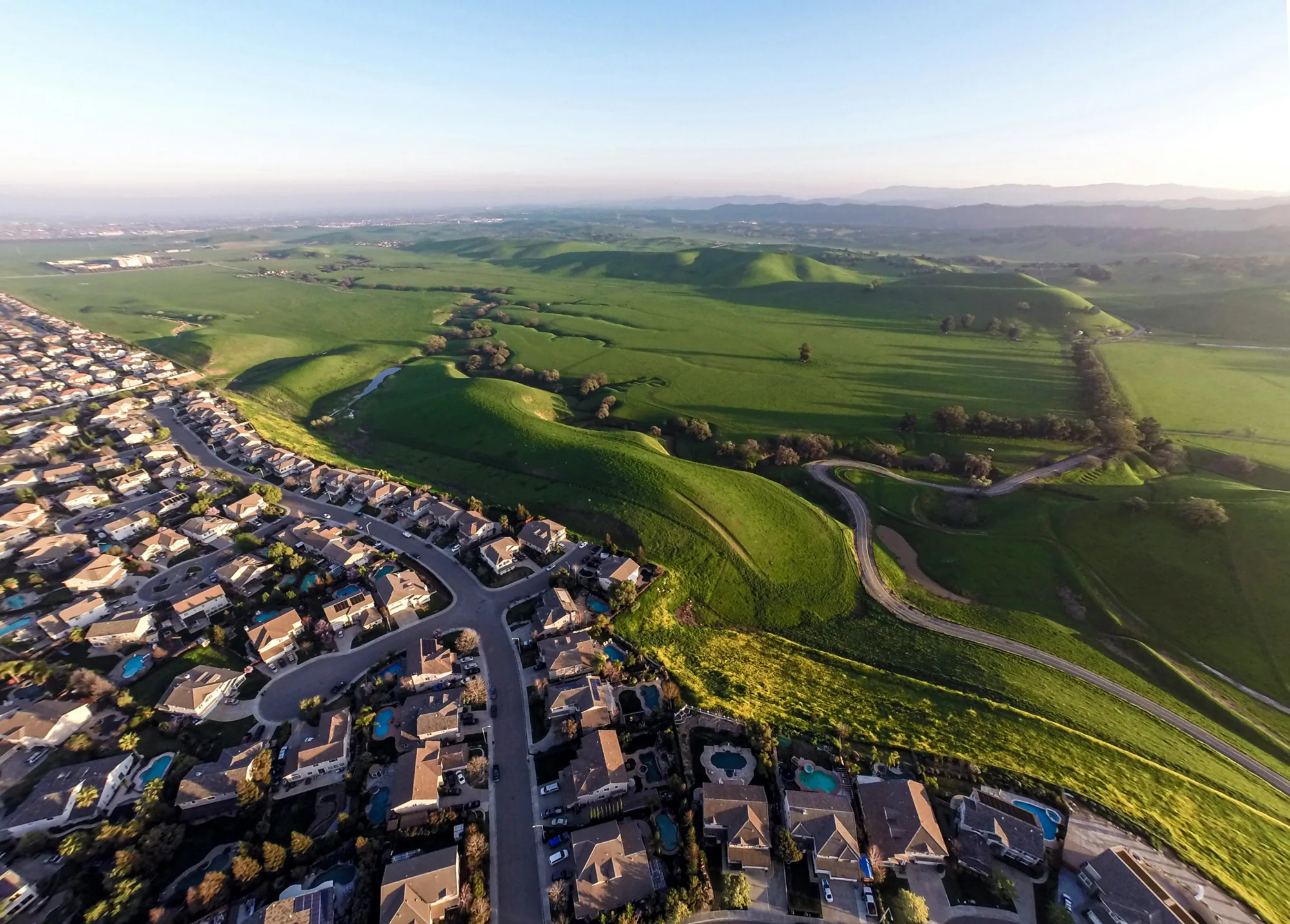
Antioch's summer heat and cooler-season rainfall make drainage and heat-affected transitions sensible recurring inspection points, while the site's actual roof condition determines whether work is needed. An asset record can note when drains were checked, where past leaks occurred, and whether equipment or another trade changed the assembly since the last visit.
Timing should reflect how the building is used and when crews can reach the roof. A leak over a sensitive interior area may need earlier attention than a worn surface in a section that can be isolated, but the owner and contractor should make that decision from the actual condition and consequences. List dependencies that can move the date, such as equipment shutdown, access equipment, material lead time, or an approved test opening. That gives the portfolio team a practical sequence instead of a stack of undated recommendations.
How do repair and maintenance records stay current?
Before a repair, the project team should confirm the work boundary, access, staging, occupied areas, daily dry-in, and any equipment or drain work another trade controls. The record should preserve the approved scope and identify who can authorize a change if opening the roof reveals more damage. For an occupied building, phased work can keep each roof section within the crew's ability to prepare and close during the agreed shift. Temporary protection may be needed if a permanent correction cannot follow immediately; emergency roof service is scoped to the opening and conditions at hand.
After work, update the roof plan, installed materials, photographs, repaired details, and unresolved items. A later maintenance visit can compare current observations with that history and record new changes. The file should distinguish completed repair from a recommendation that still needs testing, owner approval, or another trade's work.
How should repair costs be compared?
Compare scopes that describe the same work boundary. One estimate may include removal to the deck, while another assumes existing insulation stays in place; the totals cannot be evaluated as equal options until those assumptions are clear. Separate base work, allowances, testing, access equipment, interior protection, and any trade work that is outside the roofer's scope. The asset record can store those assumptions with the estimate so a later reviewer understands why the number changed.
When a roof is divided into sections, record the area, detail, and condition tied to each budget item. A drain correction should not be lost in a roof-wide allowance, and an open question about the deck should remain visible until testing resolves it. That level of detail helps ownership compare urgent repair with planned capital work without confusing a preliminary estimate with an approved construction budget. Record when pricing was received and when it should be refreshed.
What makes the record useful across a portfolio?
Consistent headings let an owner compare assets without implying that they have the same condition. Bishop Ranch in San Ramon includes office-park and retail uses; a portfolio manager reviewing a San Ramon property still needs a site-specific roof inventory and inspection. We keep shared fields such as inspection date, assembly, access, open work, and budget status, then preserve the photos and technical details that belong to each building.
The next person who opens the record should be able to locate the condition, understand what was done, and see what remains. That means keeping repair boundaries, approvals, test results, warranty documents, and closeout notes together. A roof inventory does not replace a field visit; it helps the team prepare for one and carry its findings forward. When a building changes hands or a service request comes in, the property representative can provide the current plan and roof history instead of relying on an old description. The resulting decision is tied to the assembly actually inspected and the work that can be scheduled. Keep the latest version accessible to the project team.
Commercial Roofing Questions
Can you organize roof records for several Antioch properties?
Yes. We can apply a consistent inventory format while keeping each building's roof areas, condition, access, repair history, and open recommendations distinct.
What if the existing roof type is not documented?
The inventory can mark it as unknown pending field confirmation. An inspection records visible components and identifies when a test opening is needed to verify concealed layers.
Does a roof condition rating determine the repair budget?
A rating helps summarize condition, but a budget needs a defined scope, quantities, access assumptions, and any testing or concealed work that remains unresolved.
How should completed work be recorded?
Update the plan reference, materials installed, repaired details, photographs, approvals, and remaining items. That gives the next inspection a reliable starting point.
Related Roofing Work