
Roof Damage Repair in Antioch, CA
Browse our roof damage repair for commercial buildings in Antioch and eastern Contra Costa County. Each page explains the work, what to expect and how to get started.
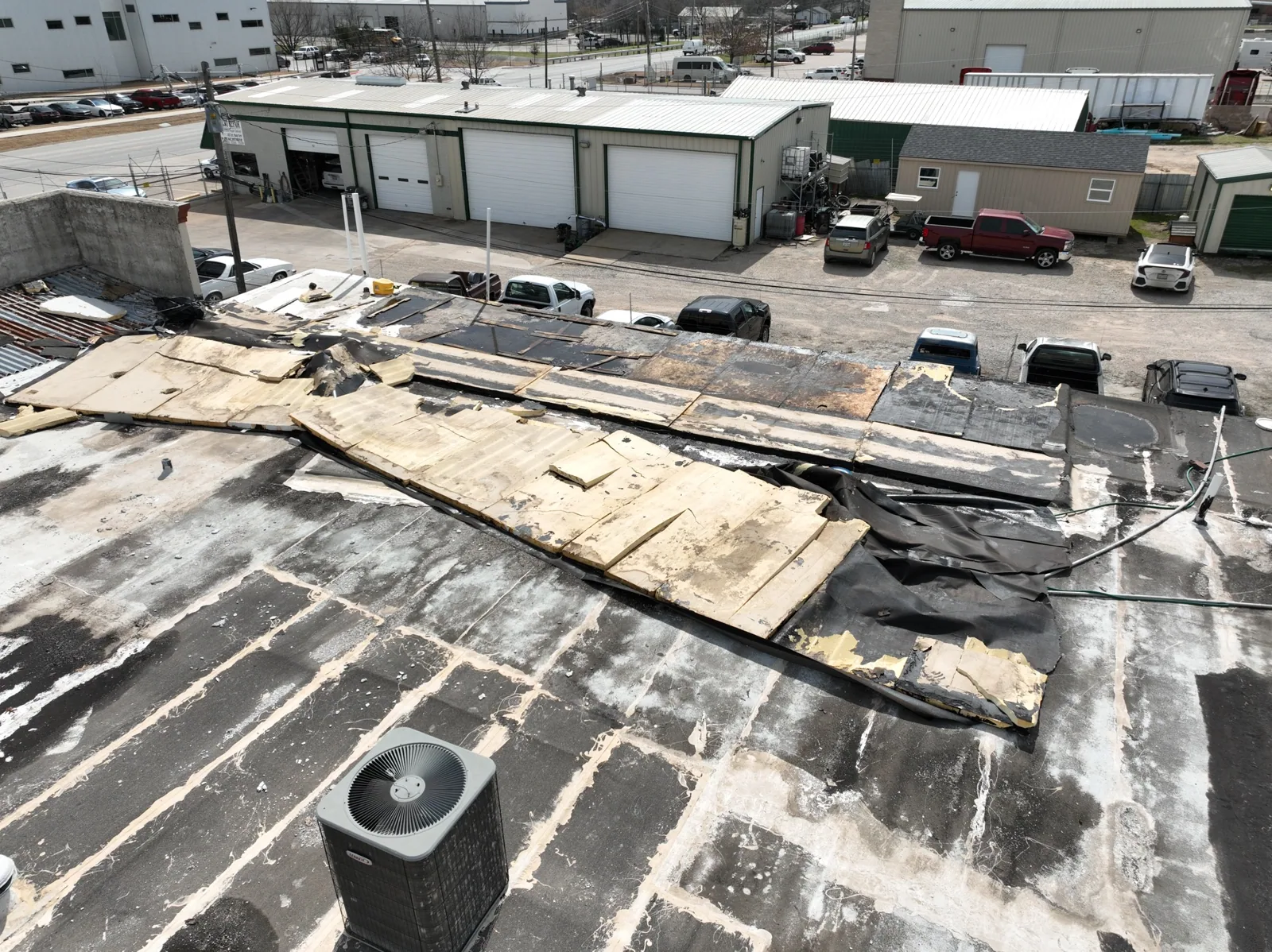
Wind-Damage Roof Repair in Antioch, CA
Repair wind-damaged commercial roofs in Antioch by checking membrane edges, metal panels, ridge details, flashing, and the assembly beneath each opening.
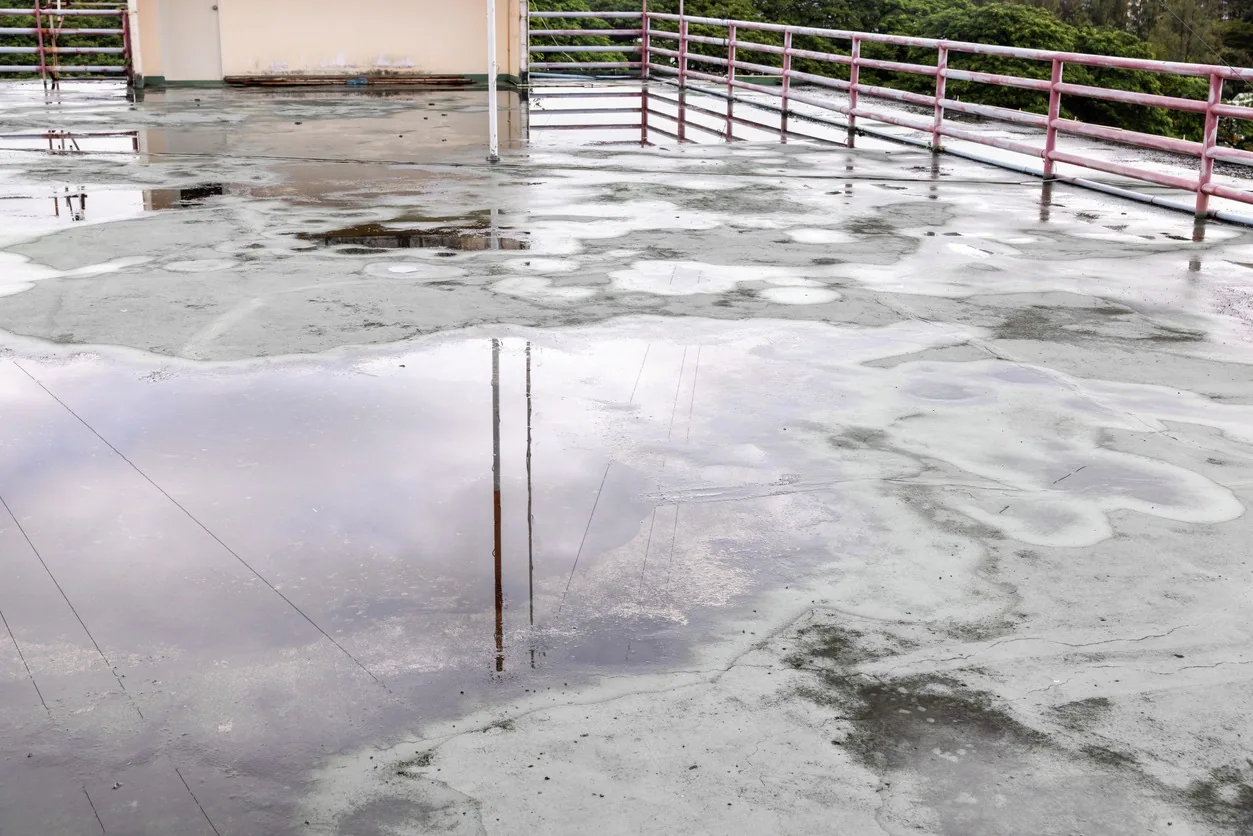
Commercial Ponding-Water Roof Repair in Antioch, CA
Repair Antioch ponding at height changes between new and retained roofs. Examine tie-in geometry, coordinate runoff paths and prepare suitable roofing.
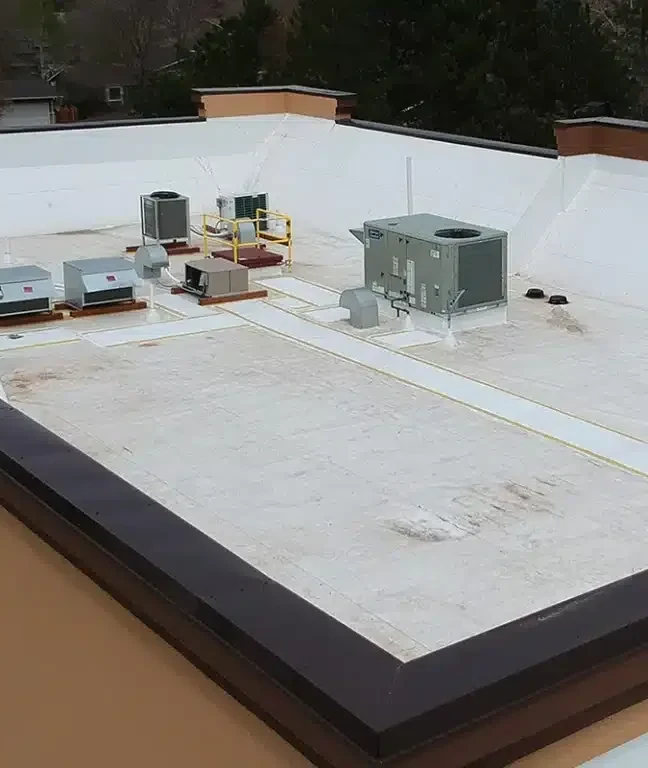
Commercial Roof Flashing-Failure Repair in Antioch, CA
Repair Antioch flashing with suitable pipe boots and usable sealing positions. Examine cut necks, prepare retained membrane and coordinate component release.
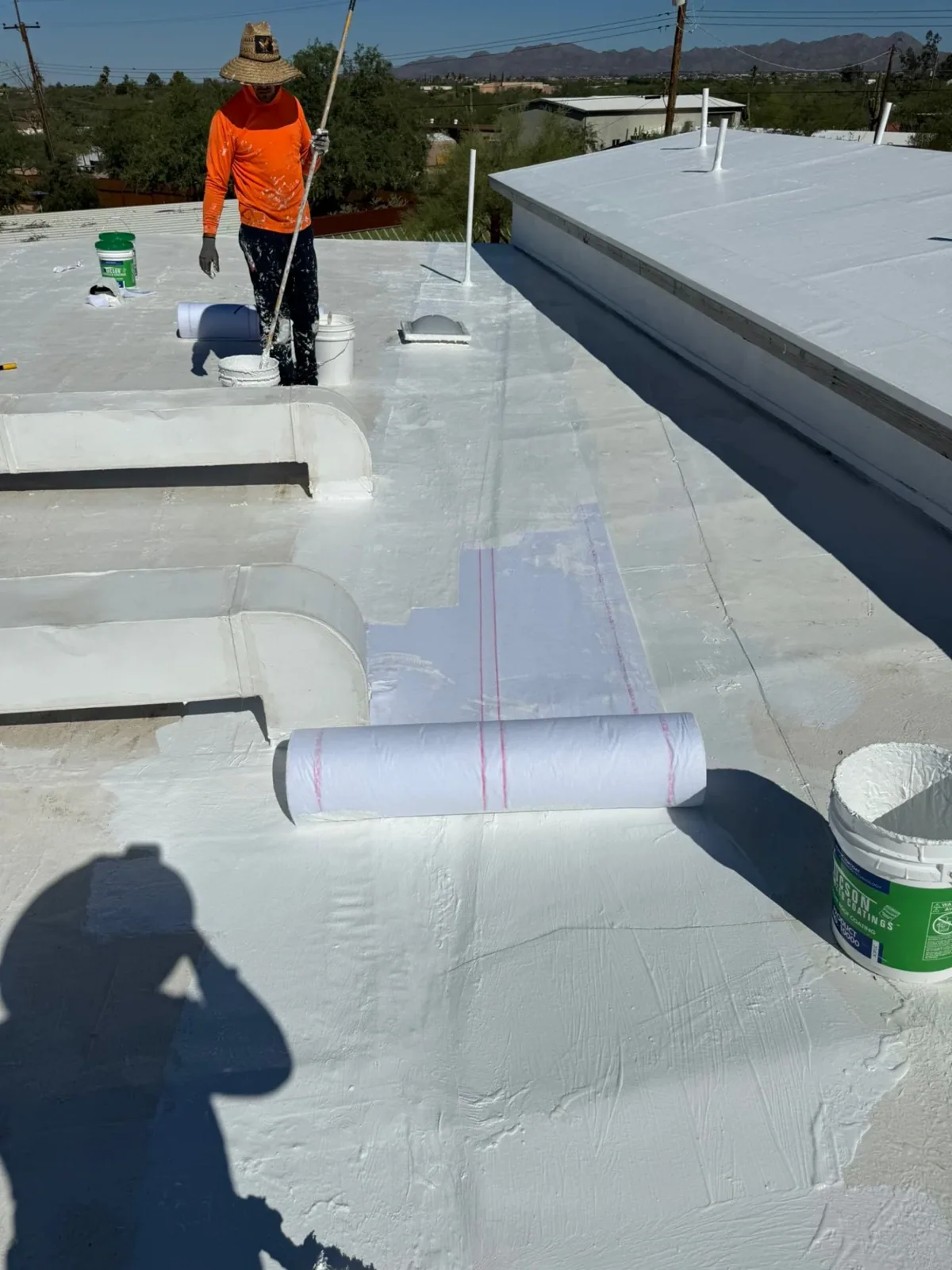
Commercial Roof Seam-Failure Repair in Antioch, CA
Repair failed commercial roof seams in Antioch by identifying the membrane, opening, substrate condition, and compatible detail needed for a lasting connection.
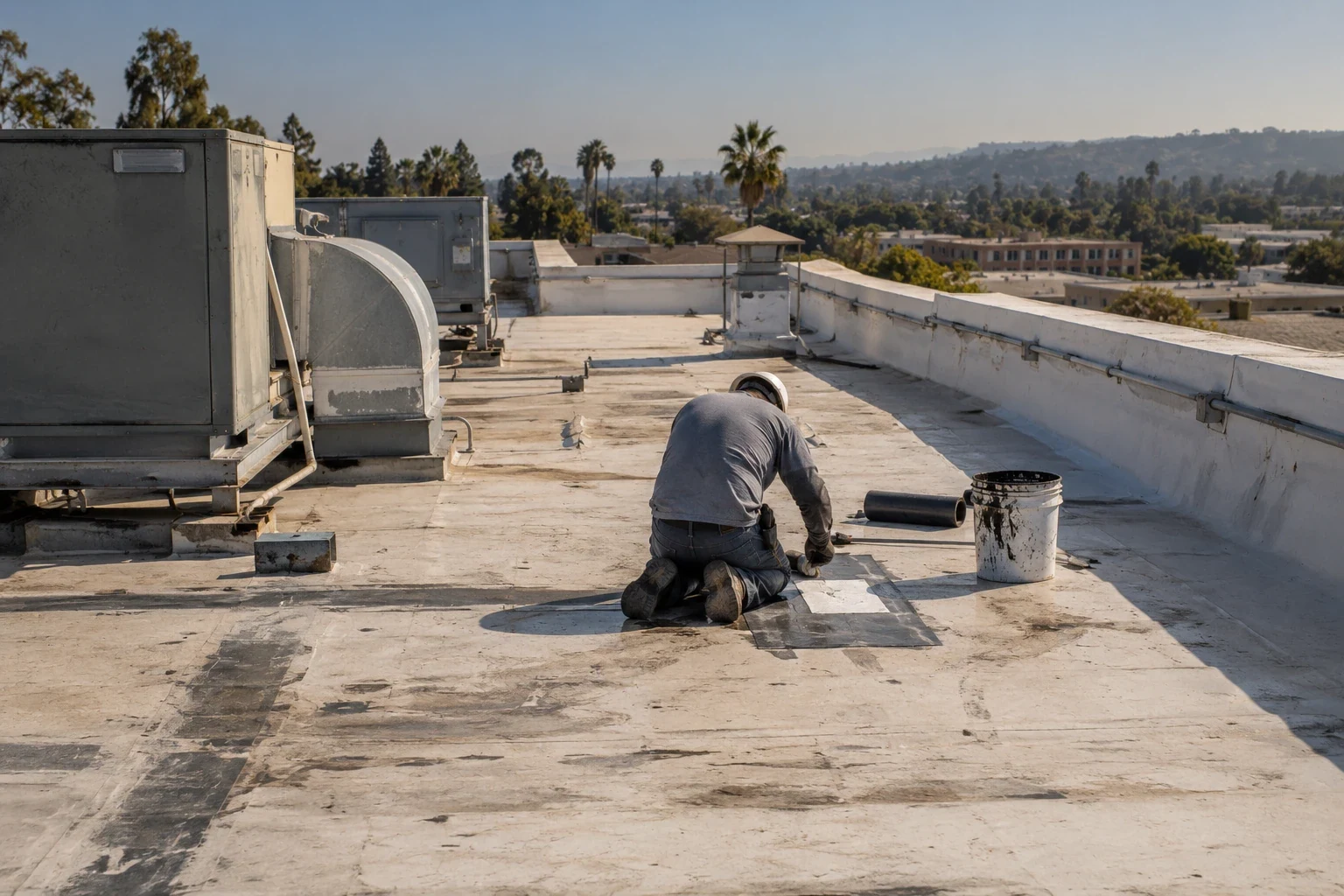
Commercial Roof Membrane-Puncture Repair in Antioch, CA
Repair Antioch roof punctures beneath walkway pads and service routes. Remove trapped debris, examine affected layers and prepare compatible membrane repairs.
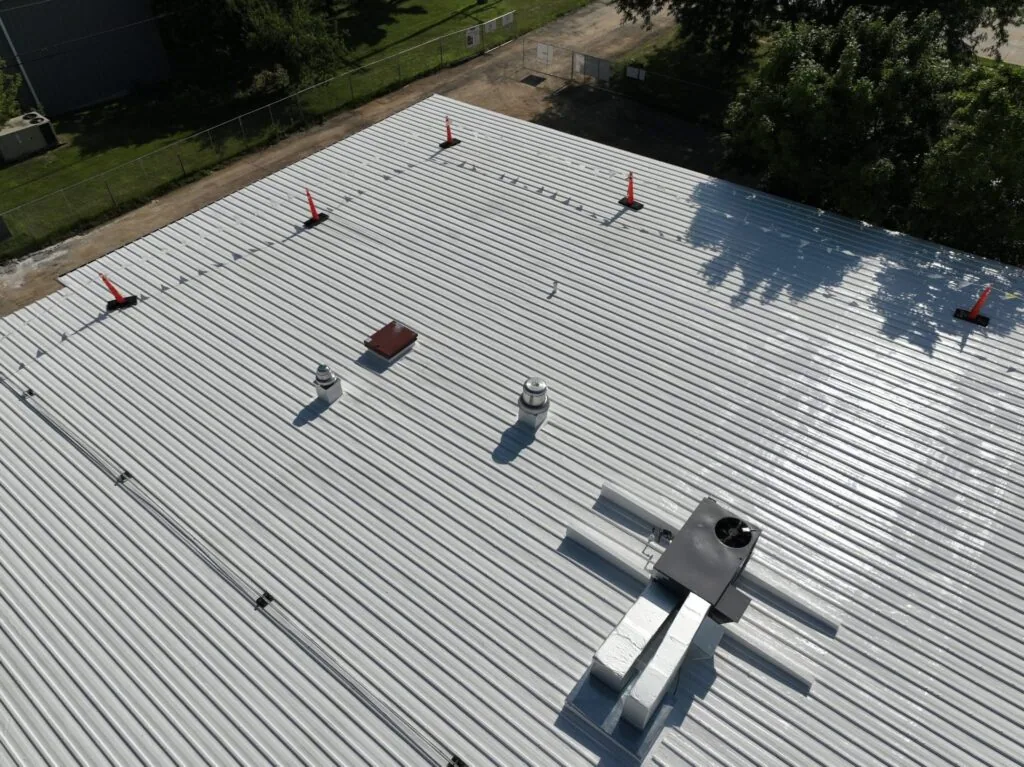
Commercial Fire-Damage Roof Repair in Antioch, CA
Repair Antioch fire-damaged roofs with suitable perimeter support and receiving layers. Examine damaged nailers, coordinate correction and close the roof.
Commercial Heat and UV Roof-Damage Repair in Antioch, CA
Repair Antioch heat and UV damage at unprotected spray-foam edges. Examine degraded material, restore suitable foam and prepare compatible protective coatings.
More About Roof Damage Repair
A wet ceiling is a symptom; the repair starts at the roof detail that let water through. We trace the path from the interior mark to the membrane, flashing, drain, or curb connection and set a visible repair boundary. Antioch's hot, dry summers and cooler-season rainfall put drainage and heat movement on the inspection list, but the roof itself determines the work. A failed flashing calls for a different repair than an open seam or puncture.
For a wind-related failure or standing water, photographs and measurements help define which components need attention. We protect the opening, verify the substrate, and record the repair before closing the assembly.
Where does the water enter?
We inspect seams, laps, penetrations, drains, scuppers, parapets, and the roof-to-wall transition. Water can travel before it appears indoors, so we compare staining with the roof layout and note any limits to access. A seam failure may need membrane preparation and a compatible weld or adhesive; a puncture requires confirming that the damage has not reached insulation or deck.
Antioch recorded 2.46 inches during a 48-hour period at Antioch 2.2 WSW in a January 2019 atmospheric-river event. That dated report gives useful local rain context, not a prediction. We still check the actual drains and water marks on the building before recommending a repair.
What does a complete repair include?
The scope identifies removal, surface preparation, replacement materials, flashing, and the point where the repaired assembly meets sound roofing. If moisture has spread beneath the membrane, the proposal distinguishes the visible patch from any insulation or deck work that testing may reveal. A fire-damage assessment may involve more than the exposed roof surface; the owner should have affected assemblies evaluated before restoration work is priced.
For heat-related deterioration, we examine exposed seams, aged coatings, and brittle details, then determine whether localized repair remains useful. A coating is considered only after substrate condition, moisture, and adhesion are checked.
How is the building protected during work?
We plan temporary dry-in, interior protection, staging, and the daily closure point with the owner or GC. The crew opens only the area it can prepare and secure within the work window. State Route 4 connects Antioch east and west, and the city lies beside the San Joaquin River and Stockton Deepwater Shipping Channel; for each job, access and weather exposure are confirmed at the property rather than assumed from those geographic facts.
At completion, photos show the repaired detail and any follow-up item. That gives maintenance staff a reference if water appears again or another trade changes equipment nearby.
When is a broader scope needed?
Repeated leaks, wet insulation in several areas, failing edges, or multiple patched seams can point to a condition larger than one repair. We document the evidence and compare a defined repair with broader replacement or restoration options. The owner receives the boundary and assumptions for each choice, including any test opening or deck review needed before work is finalized.
Commercial Roofing Questions
Can you locate a leak from the ceiling stain?
The stain helps narrow the search, but water may travel below the roof surface. We inspect the related roof area and document the likely entry detail.
Will you make a temporary repair during an active leak?
If access and conditions allow, we can protect the opening while defining permanent work. The temporary scope and remaining exposure are explained to the owner.
When does ponding water require a repair?
We check the drain path, membrane, seams, and signs of trapped moisture. A repair is based on the roof condition and drainage configuration, not water presence alone.
Do you replace wet insulation as part of a patch?
Only where inspection or testing confirms the affected material and the owner approves that scope. The proposal separates known work from concealed conditions.
Define the repair boundary
Send the Antioch property, leak location, recent roof work, and access conditions. We will inspect the likely entry detail and outline the repair sequence.