What release makes the damaged perimeter available for examination?
The responsible project team establishes the building and roof access available after the fire, with appropriate structural review where supporting condition requires it. We describe the roofing examination and receiving position needed at the damaged edge. The general contractor aligns those tasks with the operator's restrictions and component corrections. Roofing access should follow the released area rather than an assumed route across affected support. The phase needs a usable examination position and attainable protection, allowing the nailer, deck and exterior connections to be assessed through their responsible tasks before replacement layers conceal them.
Concord includes Sunvalley shopping activity and auto dealerships. At a proposed commercial fire-restoration task in Concord, the actual occupancy and damaged perimeter determine the roof investigation arrangement. Examination of fire-affected roof receiving assemblies identifies accessible material and the correction needed before installation. Controlled roofing within released restoration areas matches exposure to the area accepted for work. We distinguish roof preparation from supporting or component decisions, leaving the general contractor able to coordinate a buildable replacement phase while each task's receiving surfaces remain accessible.
Which material beneath the metal can accept the new connection?
The examination identifies accessible nailer damage, attachment position and the adjoining roof assembly. We describe the receiving material available for the selected edge rather than treating replacement metal as the whole correction. Appropriate supporting direction establishes retention or replacement where required. Roof-layer examination addresses damaged membrane, insulation and backing at the released position. The general contractor receives those boundaries before installation is chosen, allowing nailer correction and lower-layer replacement to finish while the edge remains open rather than fastening new metal over a supporting task still awaiting its assigned decision.
Fire exposure and water entry can affect different parts of the assembly around the visible edge damage. We identify the actual material condition at selected examination positions and describe the permanent roofing work indicated there. Repair of roof openings within restoration work addresses a separate puncture or disturbed membrane where that condition is present. The retained boundary needs suitable preparation for the selected system. We record accessible condition with photographs, leaving the general contractor a repair description tied to the exposed component and roof layers rather than a uniform removal area assigned from the outside appearance alone.
What remains protected while the damaged nailer is replaced?
Removal follows the accepted perimeter and supporting correction after access is released. We protect suitable retained roofing during metal and nailer handling, with fragments contained away from the operating area and accessible drainage. The appropriate trade completes the receiving support before exterior material returns. Exposed layers are examined while reachable, and changed damage goes to the general contractor before replacement proceeds. A revised component or substrate task is assigned at that phase, allowing compatible roofing to meet suitable material instead of concealing another damaged connection beneath the first completed exterior edge.
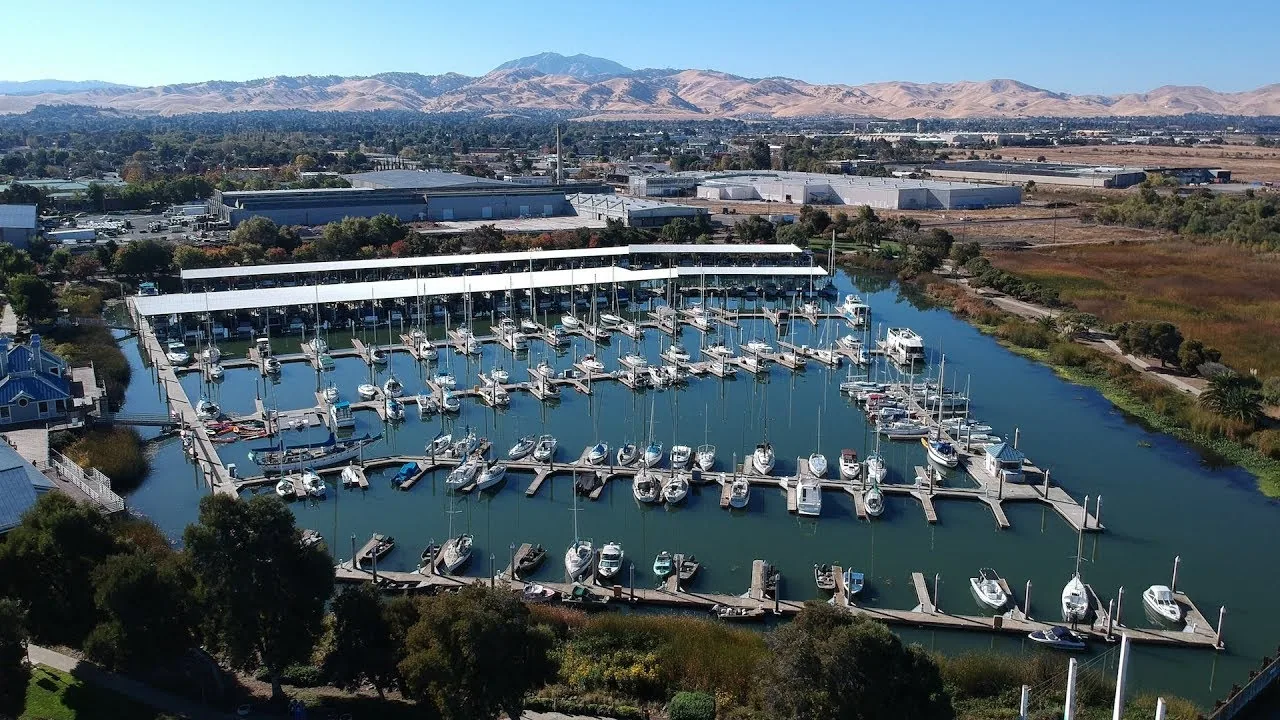
Antioch receives most rainfall during the cooler season. An opened fire-damaged perimeter needs weather protection that fits the period between supporting work and permanent roofing. Weather control at released fire-restoration boundaries can be necessary where nailer or component correction delays final closure. Emergency response is available at night, over weekends and on holidays when an exposed roof requires attention. We coordinate protection through the area available for work, preserving usable retained edges and the support position needed for later permanent installation rather than closing temporary material over surfaces still requiring their appropriate examination.
What receives the permanent edge after supporting correction?
The selected nailer or supporting assembly needs its appropriate attachment and receiving surfaces before edge metal returns. We review that release with the general contractor, identifying the usable roof backing and component position for compatible installation. Replacement membrane and lower layers follow the actual system and accepted support. The edge detail should meet suitable material at the prepared position, with accessible connections examined before finishes restrict them. Exterior roofing completion remains distinct from the supporting task, keeping each accepted component available for its relevant check rather than using the finished metal surface to conceal unfinished preparation below it.
Antioch summer heat makes retained membrane condition and rigid transitions useful examination positions before the replacement edge is closed. Metal-edge correction over suitable receiving support coordinates the actual component and connection selected for that perimeter. Replacement layers alongside corrected perimeter material establishes usable backing and finished levels. We align those levels with the edge detail before membrane is fitted, preserving its intended water connection and attachment position. The general contractor receives any remaining correction while the perimeter is accessible, leaving permanent closure to follow the prepared supporting and exterior surfaces together.
What should the restoration handover identify at the rebuilt perimeter?
The rebuilt perimeter handover identifies what changed at the nailer, supporting layers and exterior metal connection. We describe the accessible roof details examined before the area was returned, with the general contractor coordinating supporting completion through its responsible task. Construction waste is cleared from the edge and usable water routes checked after handling. Future work near that perimeter should preserve its attachment and membrane transition. Any disturbed component receives appropriate examination and a compatible roofing return before later finishes restrict the repaired receiving position again.
Fire-repair estimates should distinguish released examination, supporting replacement, affected roof layers and local weather protection from the visible length of damaged metal. Concealed condition can enlarge the receiving task after opening, while suitable retained areas may permit a more limited roof return. Continued exposure can allow water into lower material as a surface-only cover leaves nailer correction unresolved. Roof-condition photographs and physical repair descriptions identify observed work for the restoration team. Insurance and coverage decisions remain with the insurer and policyholder, while our task establishes compatible roofing after its necessary supporting correction.
Commercial Roofing Questions
Can new edge metal be fitted over a fire-damaged nailer?
The selected connection needs suitable receiving support first. We identify accessible nailer condition and coordinate the appropriate supporting direction with the general contractor. Permanent metal and roofing follow the accepted correction, leaving their attachment and weather detail connected to usable material rather than a cover concealing damaged support below it.
Who releases the affected roof area after the fire?
The responsible project team establishes access and appropriate supporting review. We describe the roofing position needed for examination and preparation. The general contractor aligns those decisions before removal, allowing the exterior repair to follow an available receiving area whose structural or component condition has received its required task.
Does all roofing beside the damaged perimeter need replacement?
We examine retained membrane and supporting layers at accessible positions before setting the removal boundary. Unsuitable material receives appropriate replacement, while usable areas can remain where they accept the selected connection. The general contractor receives that physical extent together with nailer correction, keeping the roof phase tied to the actual receiving assembly.
What changes the work when deeper damage is exposed?
Newly accessible deterioration can require a wider supporting or roof-layer correction. We identify that task before permanent material returns, with protection coordinated through the released area. The general contractor assigns the relevant component preparation while the perimeter remains open, leaving installation to follow suitable material rather than concealing the revised receiving condition.
Related Roofing Work