What should be checked on Benicia's commercial roofs?
The inspector identifies the assembly before choosing a repair method. On a membrane roof, that means seams, patches, wall transitions, curbs, drains, scuppers, and edge metal. On a metal roof, we check panel laps, fasteners, closures, sealant joints, and flashing around penetrations. We note ponding, debris, and any detail altered by equipment or sign work. The interior review connects ceiling stains, active drips, and damaged finishes with possible roof paths above.
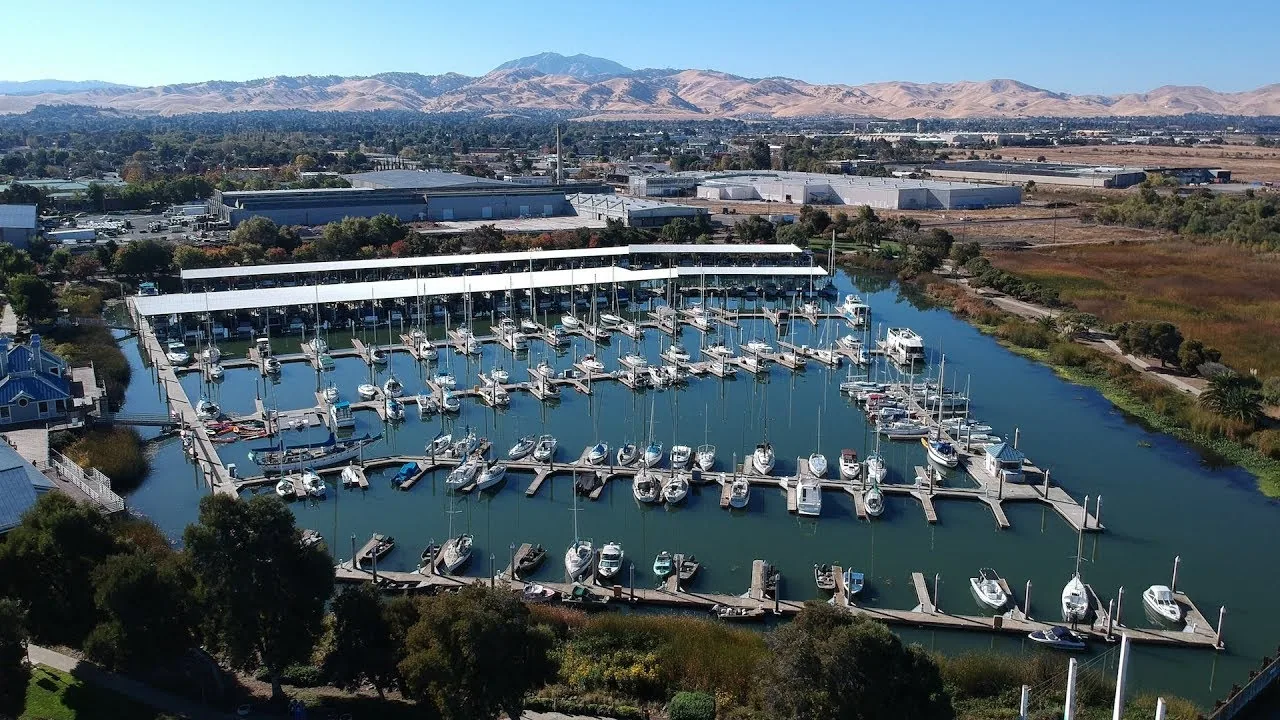
Benicia's industrial park and marina support different kinds of commercial activity. We verify each building's assembly, from its membrane or metal panels to the deck and drainage. We also check deck condition and access before setting the removal line. The Marina's general store, laundry, and boating support illustrate that commercial facilities can have distinct schedules and customers. For any active operation, confirm delivery hours, occupied zones, and equipment restrictions before opening the roof. A condition report can show the GC what was observed, where access was limited, and what test is needed to confirm concealed moisture.
How do we find the repair limit?
A leak may enter at a seam and travel before it reaches the room. We trace the likely route through nearby laps, curbs, wall terminations, fasteners, drains, and any earlier patch. If the membrane has separated from wet insulation, covering the split does not restore the bond. We remove loose or damaged layers until the substrate is sound, dry the work area, and tie new material into a stable connection. Where moisture extends beyond the visible opening, a test cut can establish how far replacement needs to go.
Metal roof repairs differ from membrane work. A loose fastener may need replacement and a check of the surrounding panel; an open lap requires compatible closure and flashing. A membrane seam needs clean preparation and a weld or compatible seam treatment. A curb requires the flange, corners, and field tie-in to work together. For a wind-related roof repair, we inspect perimeter attachment and metal edges while keeping the scope tied to observed conditions. The proposal records the removal line, new materials, temporary water protection, and final inspection. That gives the owner a repair that can be checked rather than a surface treatment with no clear boundary.
When is a new assembly the better decision?
One failed transition may justify a repair. Several recurring leaks, widespread membrane breakdown, unstable attachment, or wet insulation across roof areas can shift the decision to broader work. We compare localized repair, recover, and replacement after checking the existing layers and deck. A recover is only suitable when the current assembly is dry, compatible, and able to support another layer. Tear-off provides access to concealed materials, but it adds removal, disposal, and daily weather protection.
A replacement scope should identify deck repairs, insulation, cover board, membrane or panels, perimeter attachment, drains, curbs, and equipment work. The estimate also needs lifting and staging plans, temporary closure, and a clear path for approving concealed conditions. Access from I-780 and I-680 can help a project team orient the trip, but the property contact sets actual unloading and roof-entry arrangements. A recover assessment can determine whether the existing roof remains a suitable base. For a longer budget horizon, capital planning can rank repairs and replacements by urgency. Compare Martinez or Fairfield portfolio roofs separately, with findings linked to each property's inspection.
How should the crew and other trades hand work off?
Before removing material, the GC and owner agree on the staging area, delivery route, crane or lift need, interior protection, and work zone. The crew phases tear-off so the exposed deck can be prepared and closed in the planned shift. Each day's removal line and dry-in condition go into the project record. If weather, a delivery, or another trade changes the sequence, temporary protection needs a named owner and a return date.
At a new curb or penetration, the roofer needs the equipment trade to finish support and attachment before flashing can close the assembly. We mark which party prepares the opening, which crew installs the transition, and who verifies the finished connection. A commercial building can remain occupied if access, noise, and safety limits are established ahead of work. Benicia Marina's general store, laundry, and boating-support operations can have operating hours the property manager needs to include in a project schedule; for another Benicia site, use that property's instructions instead. Our GC coordination process keeps the roof opening, equipment scope, and return visit assigned. The handoff record includes photographs and any conditions still awaiting testing or approval.
What should remain in the building file?
Keep the inspection, repair scope, photographs, installed material information, and remaining items together. Mark the repaired location on a roof plan and note any areas that were not accessible. If the work involved a test opening, include what was found below the membrane and how the opening was restored. Give that record to the next HVAC, electrical, solar, or sign contractor before work reaches the roof.
Regular maintenance should review seams, panel fasteners, flashing, drains, scuppers, and changes after equipment work. A maintenance schedule can record observations and repairs before a small gap reaches interior finishes. For metal, note loose fasteners or open laps; for membrane, check welds, patches, and terminations. Benicia's industrial park and marina are part of the city's varied commercial setting, so the service interval should fit the actual roof and operations. A future capital review can use the inspection history to compare repair cost and remaining serviceable areas. Request a Benicia roof inspection with access details, prior leak locations, and the date the roof must be dry.
Commercial Roofing Questions
Can you inspect a Benicia metal roof and a membrane roof?
Yes. We identify the assembly first, then check its panel laps or membrane seams, flashing, penetrations, drainage, and attachment.
How should access be planned for a Benicia industrial property?
The property owner or GC confirms entry rules, staging, roof access, and any escort or safety requirements. We use those details to set the inspection window and material route.
What can make a Benicia repair expand after work begins?
A test opening may reveal wet insulation, weak deck, or failed attachment beyond the first visible defect. We photograph the condition and get approval before extending removal.
How should marina operations fit a roof repair schedule?
Start with the property contact, who identifies business hours, deliveries, customer areas, and safe staging. We use those limits to set access, noise windows, and the daily dry-in area.
Related Roofing Work