What does the first roof visit need to settle?
We begin at the reported leak and trace the assembly outward. A ceiling stain can sit below a curb, open lap, failed drain connection, or a seam farther upslope. We review prior repairs, surface condition, ponding paths, and the underside of the deck where access allows. Moisture readings and core cuts can clarify the extent of wet insulation. The report separates confirmed damage from areas that still need opening, so the bid does not promise a repair boundary that the roof has not yet shown.
On a reroof, we document roof layers, insulation, cover board, deck, parapets, curbs, and drains. Antioch has hot, dry summers and cooler, wetter winters; we use that seasonal pattern to plan exposure and drainage checks, not to claim every roof has the same failure. We mark daily tie-in points before demolition begins. For an owner comparing a focused visit with a larger assessment, a commercial roof inspection can record the roof areas and required action.
How do we stop a leak without hiding its cause?
Water entry is contained first, then we find the failed component. If the membrane is split, the repair needs clean, compatible material welded or bonded to sound roofing. If the leak starts at a curb, the flashing and curb flange need to be checked together. A patch across a wet or moving substrate will not correct the cause. We remove loose material, dry the opening, repair the deck or insulation when included, and restore the membrane with the detail that fits the existing assembly.
We record each building's roof system, access, operating needs, and repair boundary before setting the work sequence. We keep emergency protection separate from permanent repair so the owner can see what was stabilized and what remains. The repair record names the affected detail, materials used, photos taken before closure, and any follow-up item. If drains or scuppers are part of the water path, we include drain and scupper corrections in the scope instead of leaving a blocked outlet to defeat a new patch.
When is replacement more practical than another repair?
Replacement enters the discussion when moisture or failed seams extend beyond a local detail, when the deck needs broad correction, or when previous repairs have left several incompatible transitions. We map each roof area and compare repair, recover, and tear-off with the same assumptions. A recover may avoid some demolition, but only if the existing assembly is dry and the deck can support the additional system. If water is trapped below the sheet, leaving it in place can preserve the condition that caused the leak.
The bid lists membrane type, insulation, cover board, attachment, flashing, edge metal, drain work, and deck-repair allowances. It also sets the removal boundary and end-of-day dry-in. If the building has several elevations, each gets a separate roof plan so crews know which assembly and trade handoff apply. We can phase a commercial replacement around operating areas, or evaluate a qualified recover when the existing roof meets system requirements.
How do we keep tenant and trade work from opening the roof twice?
State Route 4 is Antioch's principal east-west freeway connection, useful context for deliveries and crew access. The construction schedule still needs to be set from the property itself. We coordinate crane placement, loading, occupied entrances, roof hatches, and material staging with the general contractor. If a mechanical contractor is replacing equipment, curb dimensions and opening dates must be confirmed before flashing is fabricated. We set a water stop before any old membrane is removed and keep a protected path for follow-on trades.
Each daily section ends with the roof secured against weather and debris removed from drainage paths. Where separate crews handle sheet metal, HVAC, or electrical supports, the handoff identifies who fastens the component, who flashes it, and who verifies the membrane connection. This matters on active sites and on occupied buildings where a leak can disrupt the work below. A phased occupied-building reroof makes access and closure points part of the scope, not a last-minute field decision.
What should the owner keep after the repair or reroof?
Keep the roof plan, product submittals, repair photographs, and a record of penetrations added after turnover. Those records help the next crew distinguish an old seam from a new trade opening. Routine checks should confirm that drains are clear, flashing remains attached, and no fastener or curb has loosened. Antioch Unified School District serves most of Antioch, and the city's waterfront supports commercial recreation and water-related uses. At each property, we record the access window, roof areas, and maintenance needs with the building contact.
We can record roof areas by condition and urgency, then separate immediate water-entry work from capital planning. If a small area fails, we identify whether the surrounding membrane remains suitable for repair. If the wet boundary continues under adjacent insulation, the scope expands before the problem is closed over. For a broader baseline, our condition report documents visible defects and priorities. A Rivertown roof assessment follows the same inspection discipline, with the district's actual building use and access considered separately.
State Route 4 connects Antioch west and east, and Antioch Unified School District serves most of the city. Before work, we confirm delivery access, occupied entrances, and the roof sections that must remain dry while the crew works nearby. That record helps the GC stage materials and keep the tenant route open. For capital work, each building receives its own assembly description, removal limit, and list of details that must be finished before operations resume.
For an adjacent commercial district, the Somersville Road Corridor has its own building conditions and access plan.
Commercial Roofing Questions
What should I send before a roof inspection in Antioch?
Send the property address privately with the affected area, known roof layers, leak history, and any active rooftop work. We use that information to plan safe access and focus the inspection.
Can you repair one section without replacing the whole roof?
Yes, when the surrounding membrane and substrate are sound. We map the wet area and failed detail first, then show the repair boundary and any concealed condition that could change it.
How do you protect an Antioch building during tear-off?
We limit each shift to a manageable area, maintain a water stop, protect deck openings, and close the roof before leaving. The project schedule sets access and tenant routes.
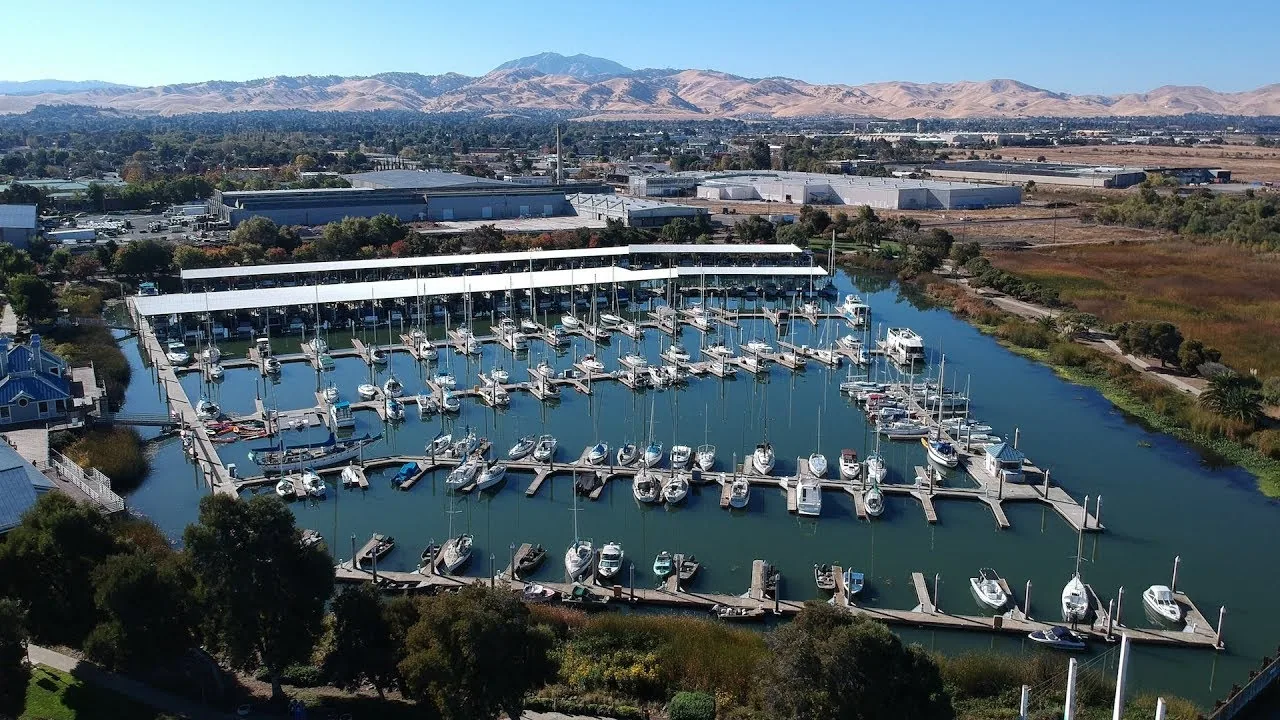
Does a marina or waterfront property need a different roof system?
The property use alone does not determine a membrane. We inspect the actual deck, exposure, drainage, penetrations, and project requirements before selecting an assembly.
What goes in the replacement proposal?
The proposal identifies the membrane and layers, demolition limit, drainage and flashing work, deck assumptions, daily dry-in, and trade responsibilities. That gives the GC a scope that can be priced and built.
Related Roofing Work