Which details connect to the reported water?
Interior observations give us the starting area and timing. We ask where water appeared, which operations were underway and whether the leak changed during the rain. On the roof, we examine drainage routes, seams, curbs, wall terminations and penetrations associated with that area. Moisture can travel within an assembly before it becomes visible indoors, so the search extends along the physical connections rather than stopping directly above the ceiling mark. We record the roof findings against the interior location so the general contractor can connect each proposed opening to the problem.
A plumbing or equipment discharge can complicate that examination. We distinguish roof defects from other possible water paths by checking the components and coordinating the appropriate trade where needed. Selected testing may be useful when the entry route remains uncertain. Detailed roof examination also checks for nearby defects that could contribute during a different rain direction or water level. The repair decision should follow an identifiable opening, failed connection or damaged assembly. Applying material across an uncertain area can obscure the next inspection without addressing the component that admits water.
What needs protection before tracing continues?
Water reaching electrical equipment, stored goods or occupied work areas needs immediate coordination with the building operator. We address the roof condition when safe access is available, while the responsible trades handle their interior systems. Temporary roofing must shed water toward a functioning outlet and remain secured at its edges. We avoid creating a pocket that diverts runoff into another roof detail. A safe inspection route, suitable fall protection and stable footing remain prerequisites for work, even when the interior leak requires urgent attention.
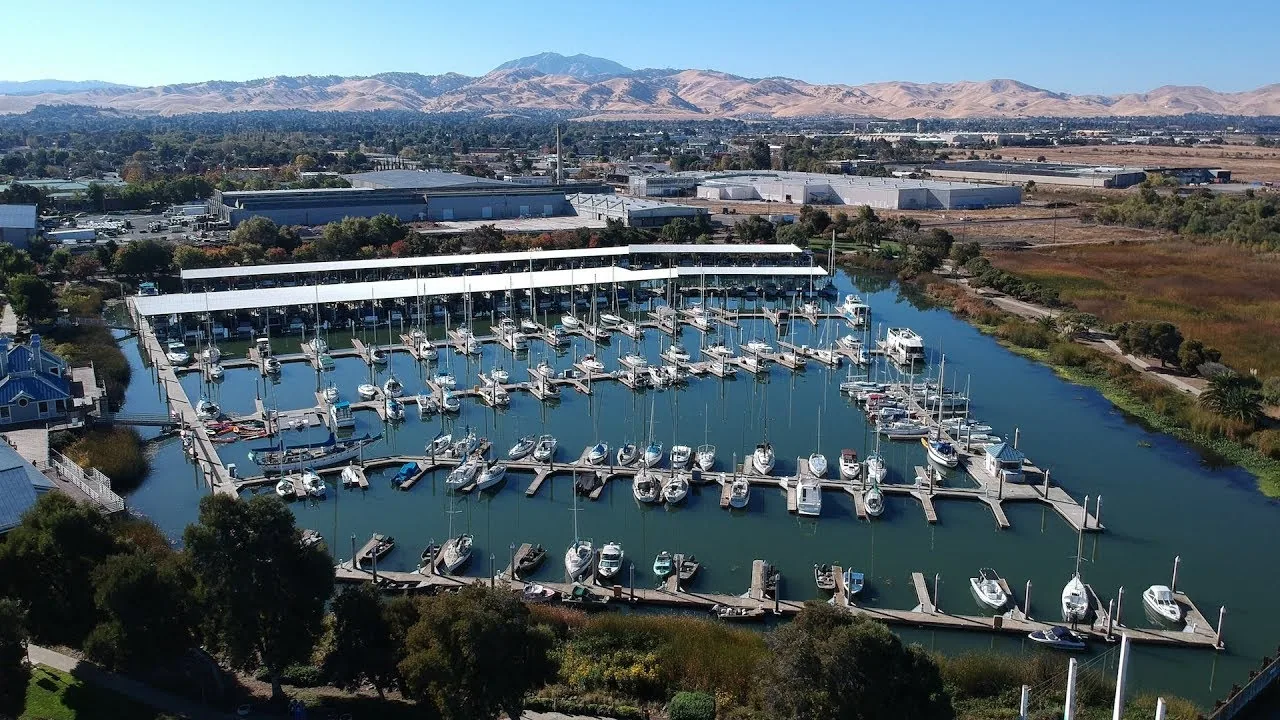
Antioch's waterfront includes marinas and boatyards, while State Route 160 crosses the San Joaquin River on the Antioch Bridge. A delivery reaching the job by that route needs a defined unloading position before roof access begins. For commercial buildings serving those uses, the operator may need working access preserved while the leaking detail is traced. We set access restrictions against the actual movement of people and materials at the property. Nearby Bethel Island also has marinas with dry-storage facilities, where protecting stored items can influence the repair sequence. Roof access and temporary protection need enough working room for the component being opened, with the trade handoff timed to keep operational routes clear.
How far should the leaking assembly be opened?
A failed lap may need localized membrane work, while water trapped below can require deeper removal. We check the receiving material and open selected areas where the condition below needs confirmation. Damp insulation, corroded metal or damaged deck changes the repair boundary. The exposed assembly must reach a condition that accepts the permanent connection. Moisture surveys and confirmation openings can help map suspect insulation when the leak history or roof observations suggest damage beyond a single detail.
Removal around an equipment curb needs coordination before the membrane is cut. A mechanical trade may need to lift a component, correct its support or provide access to a flange. We establish the temporary water stop and describe what must be ready before roofing resumes. The general contractor should also know whether deck work lies within the opening, since that can change the order and duration of the repair. We close unsuitable material out of the scope by removing it, not by hiding its edge beneath a wider surface patch.
What closes the actual entry path?
An open seam needs compatible preparation and a connection appropriate to the roof system. Loose flashing at a wall requires its termination and receiving surface checked before a new sheet is fitted. Drain leaks can involve the clamping connection, adjacent membrane or the drain body itself. We identify which part has failed and assign the correction accordingly. Flashing repairs at transitions need enough working room to form corners and close laps without stretching material across a gap it cannot support.
Antioch has dry, hot summer weather, which puts thermal movement into unlike materials at roof details. A leaking metal-to-membrane joint should be examined for that movement as well as water entry. We correct loose components before making the permanent roofing connection. For EPDM membrane repairs, preparation and compatible joining materials are different from a heat-welded thermoplastic detail. The system's method controls the correction. After installation, we inspect the new joint and its surrounding drainage so the completed work addresses the entry path and leaves water a usable route off the roof.
How is the roof handed back to other trades?
A closed roof opening should be recorded before ceiling or equipment work makes the location difficult to revisit. We provide photographs of the repair area and identify underlying material replaced during the work. The general contractor can use that record to coordinate interior restoration and any remaining equipment corrections. Repair findings with photographs also distinguish permanent corrections from temporary protection that still needs removal or replacement. Each outstanding component should have a specific next action rather than being left as an unexplained leak concern.
Leak repair cost changes with the time needed to trace the entry, the layers affected and access to concealed components. Multiple previous patches or crowded equipment can make diagnosis and preparation more involved. We explain those drivers and identify further investigation where the condition remains unresolved. Following the repair, scheduled roof maintenance can keep outlets clear and inspect the corrected detail after equipment service. A later puncture, displaced flashing or blocked drain deserves its own examination; the completion record provides a useful point of comparison when another trade returns to that roof area.
Commercial Roofing Questions
Can the interior ceiling be closed before the roof repair is finished?
Interior restoration should follow a completed roof correction and the general contractor's drying checks. We identify temporary protection separately so it is not mistaken for the final repair. Water-damaged interior materials and affected equipment need their responsible trades to assess them before the concealed area is closed.
Why would a drain leak require a plumbing handoff?
A damaged drain body or pipe connection lies beyond the membrane connection alone. We examine the roofing interface and coordinate the drain component repair with the responsible trade. The permanent roof detail is completed after the outlet has a suitable receiving surface and the affected component is stable.
Will sealing the visible curb split stop the reported leak?
We first inspect the flange, corners and adjacent attachment. The split may be the entry, or it may sit beside another damaged connection that also needs correction. A repair needs compatible material and a stable component beneath it, with damp underlying layers addressed where the examination finds them.
How do separate roof defects affect one leak investigation?
Each defect needs its own connection to the observed water path. We record the roof conditions and explain which correction addresses the active leak and which belongs to additional maintenance. That distinction helps the general contractor schedule necessary work without treating every visible defect as the same entry point.
Related Roofing Work