What should the first inspection trace?
We start from the leak report and inspect the nearby membrane seams, wall transitions, curb flanges, fasteners, drains, and previous patches. Water can travel below a roof surface before reaching an interior finish, so the visible stain may sit away from the failed lap. Photos show the details we could inspect and any area blocked by equipment or access. Where layers hide the substrate, we identify whether a test opening or moisture survey is needed before the repair scope can be fixed.
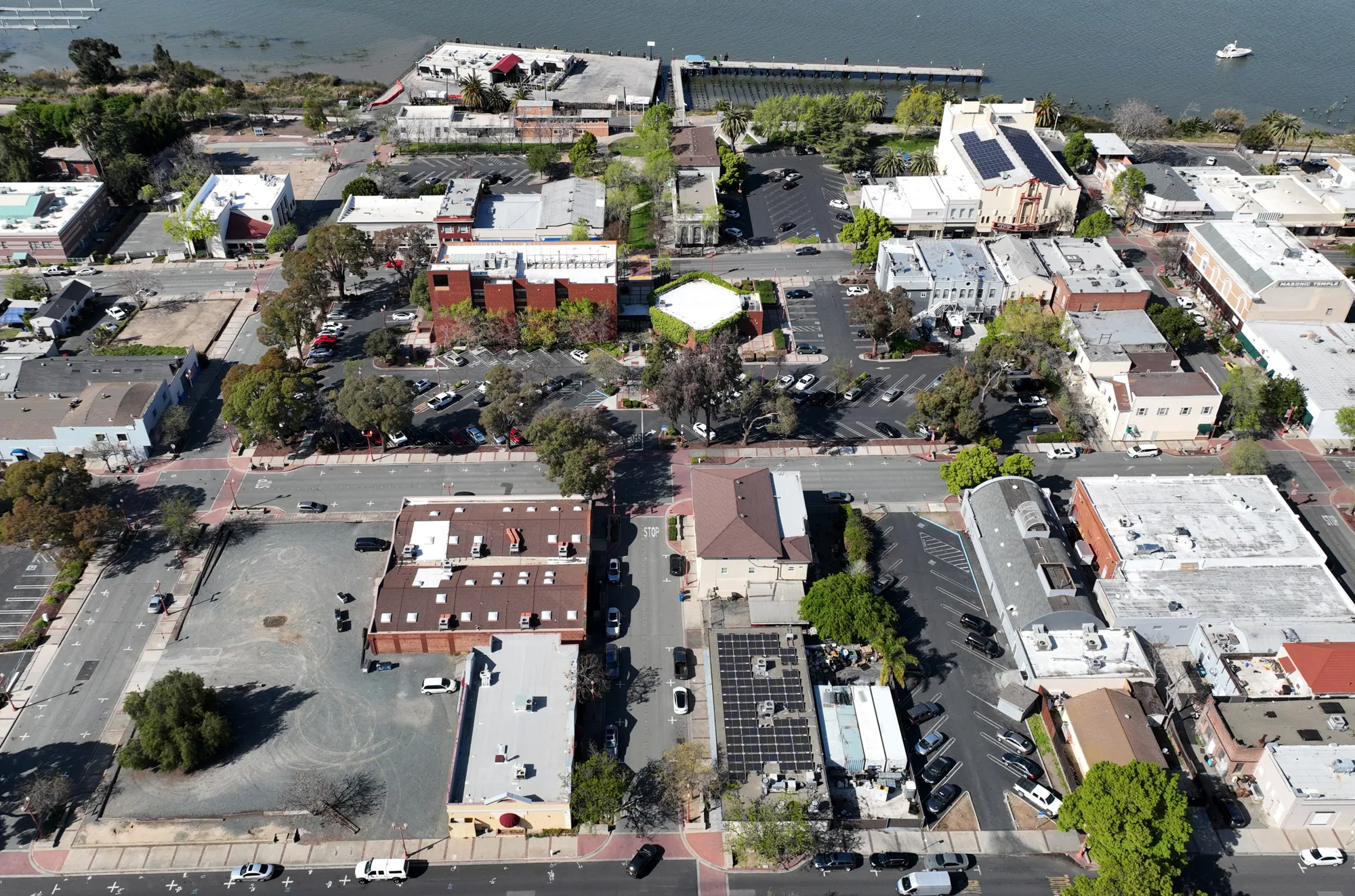
Bethel Harbor and Beacon Harbor are marina properties with dry storage; Hennis Performance Marine and Marine Emporium are marine-service businesses on the island. If a project operates around stored equipment, service bays, or marine work, the building contact should identify protected areas, delivery routes, and hours that cannot be interrupted. We verify those requirements on the actual site and do not infer roof construction from the business use. Aerial imagery can record broad surface conditions; a close-up roof walk checks seams and penetrations directly. The written findings separate confirmed damage from any concealed material that remains untested.
How do we protect operations while opening the roof?
Before removing roofing, the GC and owner confirm staging, lifting, occupied routes, operating hours, and the parts of the building that need interior protection. The crew opens only the area it can prepare and close during the planned shift. If a mechanical or electrical trade needs an opening, the schedule names who disconnects equipment, who sets the curb or support, and when roofing can install the flashing. A daily dry-in boundary keeps a delay from leaving an exposed deck at the end of the work period.
Marine-service operations and marina storage can involve equipment movement and changing access needs. The roof plan should account for the specific property's circulation rather than assuming all facilities work alike. We coordinate deliveries and hoisting with the site contact, then mark the handoff where each penetration returns to roofing. If the project has multiple work areas, the estimate shows which can proceed independently and which depend on equipment shutdown or access approval. A phased reroof plan can keep removal limits clear. For work on a separate Antioch property, we make another roof and operations plan rather than transfer the Bethel Island sequence.
Which components need to come back together?
A repair is complete only when the damaged material and its transition are both restored. We remove loose membrane or flashing, clean and prepare the substrate, and install a compatible detail. Thermoplastic systems require clean material and a verifiable weld. EPDM needs the proper seam treatment and patch. Metal roofing calls for review of panels, fasteners, closures, and edge flashing. If water has reached insulation or deck, those layers need evaluation before the surface is closed. The work order distinguishes temporary protection from the permanent repair.
At equipment curbs, the metal flange, membrane tie-in, and adjacent field should be checked together. At a wall or parapet, the termination and counterflashing need secure attachment. A drain repair includes its flange and connection to the roof field, not only the bowl. A flashing repair can extend past a visible tear when the metal behind it has loosened. If the roof system uses retrofit metal, the existing panel and attachment details govern preparation. We photograph the finished connection and record any test or follow-up needed, giving the owner a clear basis for closing the work order.
When is a broader roof project worth comparing?
Several recurring leaks, widespread wet insulation, open seams across more than one area, or deterioration at the deck may call for more than localized repairs. We inspect the assembly and compare repair, recover, and replacement with the same assumptions about removal, insulation, drainage, and edge attachment. A recover can work only when existing layers are suitable and the roof can support the added assembly. Covering wet material does not remove it, so moisture and substrate condition must be understood before a new surface is selected.
A replacement proposal identifies the membrane, insulation, cover board, edge metal, curb work, drains, and daily closure plan. It also shows which equipment work must occur before roofing can finish a transition. A commercial replacement may expose hidden deck conditions that the estimate treats as a defined allowance. A recover option has different removal and preparation requirements. The operation below matters to timing: equipment movement, service activity, and storage access may influence how much roof can be open at once. We phase the work so the building remains protected and the owner can approve changes when the actual substrate is exposed.
What should be recorded for the next service visit?
Keep the roof sketch, work area photographs, material record, and list of penetrations changed after turnover. Include who owns each curb, conduit, pipe, or later equipment reset. Maintenance checks should review the repaired seam, edge attachment, drains, and flashing disturbed by service work. On a marine-service property, access and equipment staging may change between visits, so the maintenance record should identify current site contacts and any areas that need coordination before a crew arrives.
We record findings as immediate repair, scheduled work, or monitoring, with the condition behind each item. If water returns, earlier photographs help show whether the same detail moved or a new opening appeared. Bethel Island's Delta setting and east-of-Antioch location are useful location references, while the roof condition still comes from inspection. For a nearby Oakley building, we prepare a separate report and access plan. If the roof program includes a neighboring Discovery Bay property, it receives its own scope and closeout record. Send any recent trade work and equipment changes with the service request.
Commercial Roofing Questions
Do marina or marine-service operations change the roof repair?
They can affect access and timing, while the roof system determines the repair detail. We confirm operating limits with the property contact before setting work areas and deliveries.
Can you repair a curb leak while equipment remains in place?
Often, if the equipment and curb are stable and safe access is available. We inspect the flange and flashing, then coordinate any movement or disconnection another trade must perform.
What belongs in a roof replacement scope for an active business?
List removal limits, daily dry-in, staging, interior protection, equipment work, drains, edge conditions, and who controls each opening. Those items set a buildable sequence.
How do you know whether an older patch is still sound?
We inspect its bond, edges, surrounding membrane, and substrate. If concealed layers may be wet, the report identifies testing needed before approving a larger repair.
What should the owner keep after emergency stabilization?
Keep the response photos, temporary protection notes, affected roof area, and recommended permanent work. We can then scope the final repair separately from the initial water stop.
Related Roofing Work