What must the inspection establish below the surface?
Water can move under membrane before it becomes visible on a ceiling. We inspect the leak location, nearby seams, parapets, edge metal, drains, scuppers, equipment curbs, and earlier repair attempts. A photo record shows the path we checked and the limits of access. If the visible sheet looks intact, a moisture survey or authorized test opening may help locate wet insulation or a deck concern. We identify which conclusions come from direct inspection and which require exposing another layer before the bid can be final.
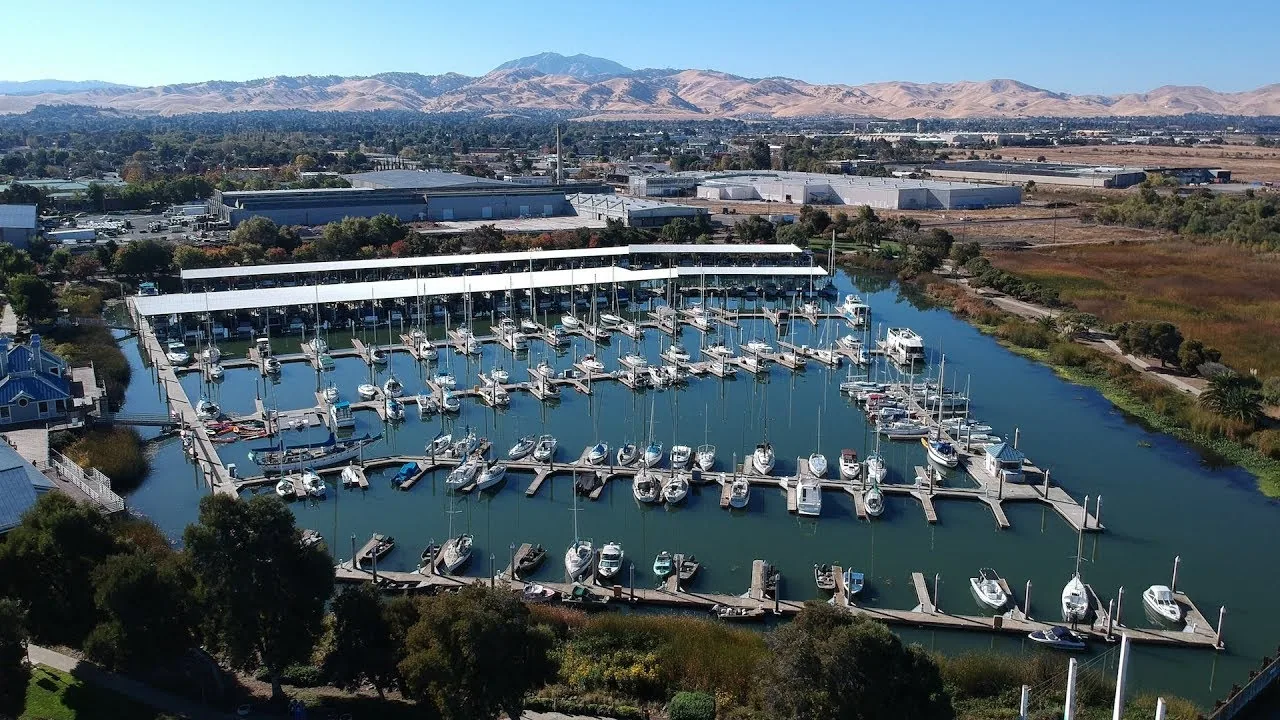
The waterways and Delta access are defining features of Discovery Bay. We inspect the actual membrane, metal, fasteners, and drainage at each property to define the roofing scope. If an equipment opening interrupts a roof field, the curb flange and adjacent seams need to be checked as a connected detail. The condition report should include photographs, roof area labels, repair limits, and any needed test. That record helps an owner decide whether to approve a localized repair, investigate further, or compare broader replacement options.
How can a repair keep water from following the same path?
We remove the failed membrane or flashing until the surface is sound, then clean and prepare it for a compatible repair. The method depends on the assembly. A thermoplastic seam needs a clean field and a verifiable weld. EPDM uses compatible patch materials and seam preparation. Modified bitumen has a different lap and flashing detail, and metal panels need their fasteners, closures, overlaps, and perimeter inspected. If insulation is damp or the deck has lost strength, those conditions must be addressed before the membrane is closed over them.
Drainage is part of the repair when water reaches an outlet or low point. We check the drain flange, bowl, surrounding sheet, and connection to the line below. The Discovery Bay Community Services District operates water and sewer services, while a roof drain on an individual property remains a separate building system that we inspect directly. A ponding-water repair should distinguish a blocked outlet from a slope or assembly problem. If a scupper or edge connection is involved, we can include drain and scupper work in the same defined scope. Photos at closeout show how the membrane reconnects to the outlet.
What should the owner compare before choosing replacement?
Replacement becomes a stronger option when moisture extends across multiple sections, repairs keep returning, or the deck and attachment no longer support a reliable patch. We inspect the existing layers and compare focused repair, recover, and tear-off. The estimate lists removal depth, insulation and cover board, perimeter details, drains, curb transitions, and allowances for hidden material. A recover may be viable only after checking that the assembly is dry and suitable to carry another system. If moisture stays below the new surface, the old failure remains in the roof.
Each option also has a different schedule. Tear-off needs a weather closure plan for each shift, while a recover reduces demolition only when the existing materials meet system requirements. A replacement project should identify the daily open area, temporary water stop, and trade handoff at each curb or penetration. A recover or overlay needs its own substrate preparation and edge detail. We compare those choices against the actual property schedule and access limits, not simply the fact that Discovery Bay is a waterfront community.
How does the project team protect the building each day?
The GC and owner confirm roof access, staging, lifting needs, work hours, and the route that must stay clear before material removal. We break the project into areas the crew can prepare and close on the same shift. Equipment trades confirm disconnection and reset dates, while roofing identifies when a curb or penetration is ready for flashing. If the roof cannot close as planned, the scope needs temporary protection and a clear contact who can approve the next step. Each work area ends with an inspected tie-in and open drains.
State Route 4 connects Discovery Bay by road, but the property team still has to confirm truck access and where deliveries can stage. The local waterways and recreation services do not tell us whether a project has public access, tenant activity, or loading restrictions. Those conditions come from the site contact. For occupied work, we coordinate protection below, material movement above, and notice before noisy operations. A phased occupied-building reroof can limit exposure while keeping closeout points clear. If the owner manages a second property in Antioch, its access and roof findings receive a separate plan.
What belongs in the roof record after work?
Closeout should show the areas repaired, photos of completed seams and transitions, material installed, and any condition that remains untested. We note drain and edge observations, repairs at penetrations, and the trade responsible for later equipment work. If a test opening was made, the record shows where it was closed and what layers were found. The owner can then give the next service crew a usable drawing instead of relying on memory about where a roof was cut.
Maintenance checks can review drains, membrane laps, flashing, fasteners, and changes made by rooftop trades. Discovery Bay's Community Services District operates recreation services as well as water and sewer, but those public functions do not replace a property-specific roof maintenance plan. We record the next inspection item and distinguish immediate work from monitoring. For a nearby Brentwood property, we inspect the separate roof and make its own report. Send the Discovery Bay building contact, work history, and access instructions with the service request so the visit can focus on the roof section that needs a decision.
Commercial Roofing Questions
Does being beside the Delta determine which roofing system we need?
No. We inspect the property, existing layers, drainage, exposure, and project requirements. Those conditions guide system selection and the detail used at edges and penetrations.
Can you identify hidden moisture without removing the whole roof?
A moisture survey can help target suspect areas, and a test opening can confirm the layers with owner approval. The report separates readings from confirmed conditions.
How do you plan deliveries along State Route 4?
Road access to Discovery Bay is by State Route 4. Before scheduling, the site contact confirms the delivery window, unloading point, staging clearance, roof access, and any limits on movement around the property.
What should a roof replacement estimate include?
It should list removal, insulation, cover board, membrane, drains, perimeter details, temporary closure, equipment coordination, and allowances for concealed deck conditions.
How are emergency repairs handled after hours?
We respond to stabilize the opening, protect the interior where possible, and document visible damage. The permanent repair boundary is set after the assembly can be inspected.
Related Roofing Work