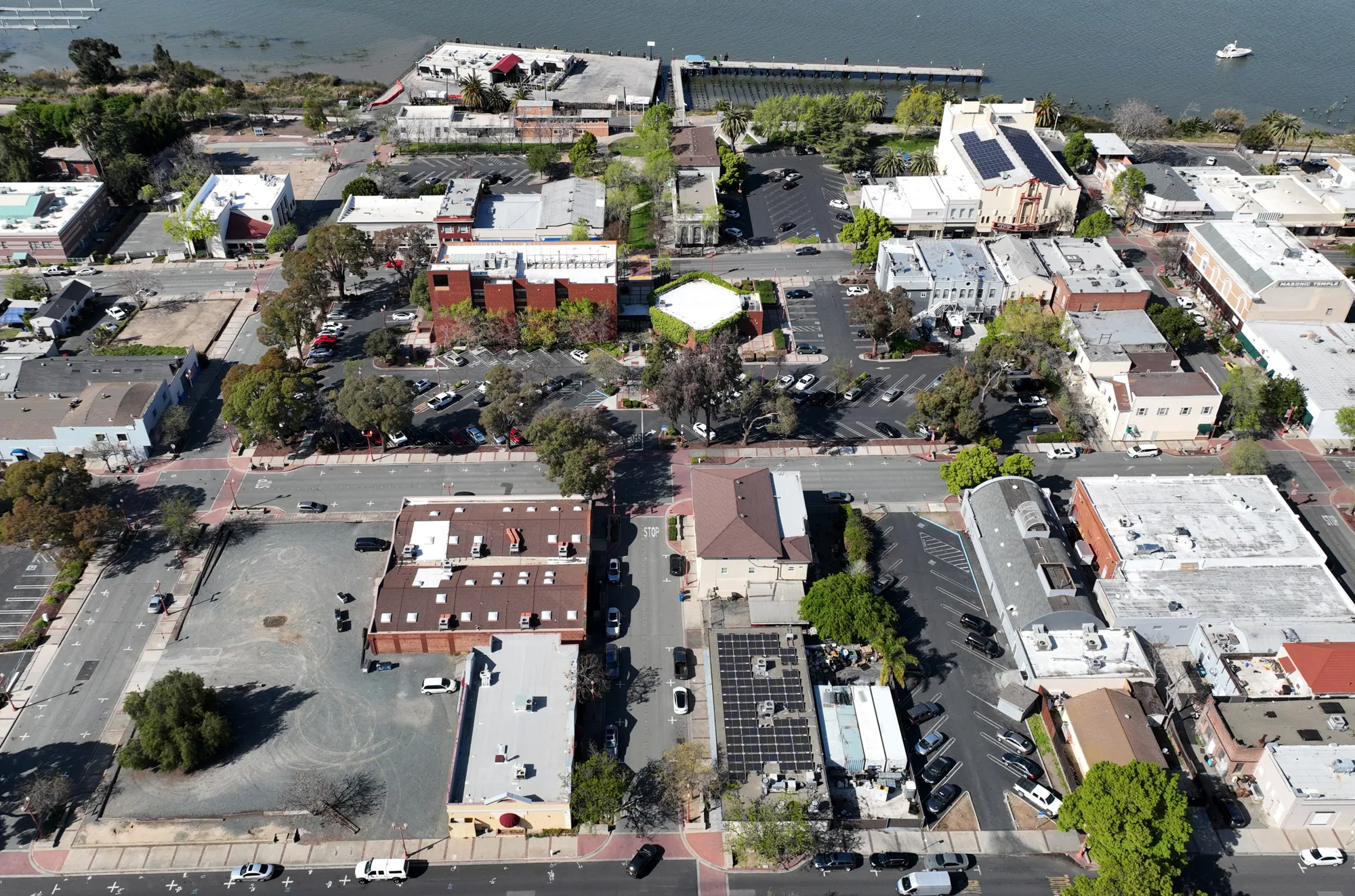
Which roof conditions should be corrected before supports arrive?
A roof with wet insulation or repeated seam distress needs examination before equipment restricts access. We identify the assembly, inspect accessible details and arrange further investigation where concealed condition affects the proposed work. Moisture investigation before array installation can help map suspect layers for physical confirmation. The general contractor can then arrange removal and rebuilding before the roof is divided into smaller working areas by equipment. An unresolved condition below the planned support position needs a correction path that reaches the material involved.
Roof service needs also matter. A worn surface or deteriorated flashing can require more than a localized patch before the new equipment is placed. We compare repair, recover and replacement tasks with the proposed solar sequence and identify the work needed at each retained component. A replacement assembly may provide a practical point for coordinating new penetrations and insulation changes. The scope should identify the material that remains beneath the equipment and the connections that future repairs will need to reach.
How do structural and solar decisions reach the roofing scope?
Support loading, attachment and solar electrical design need their appropriate professional and trade review. We coordinate the roof interface with that direction, including the locations and shapes of penetrations that need flashing. A ballasted arrangement still needs its roof contact and drainage effects examined. The roofer does not determine structural capacity by looking at the membrane. The general contractor arranges the required design information so the roofing assembly and support detail can be selected together, with the receiving components ready before final membrane closure.
San Ramon has Bishop Ranch, an office park that also includes retail uses. For a commercial solar-and-roofing project in San Ramon, the actual equipment layout and tenant restrictions can affect where support work is carried out. We coordinate those conditions with the project trades and keep access to roof details within the proposed arrangement. Rooftop units, hatches and drainage paths should remain available for their intended servicing tasks. The array layout needs that access reviewed before supports make a later roofing correction difficult to perform.
Where must the penetration handoff be defined?
A new support penetration needs a stable receiving component, suitable height and enough space to form its roofing detail. We establish the connection with the solar and equipment trades before the membrane is cut. Roof support and curb preparation may require removal, deck examination and a component correction ahead of flashing. The temporary closure is identified where the opening cannot reach its permanent condition immediately. Permanent roofing follows the stable support handoff, with compatible material and a joining method suited to the installed system.
Conduit and cable routes also need coordination at roof contact points. A new run should not obstruct an outlet or lie where servicing repeatedly wears the membrane. We examine the actual route and identify protection or a revised component detail where the connection requires it. Flashing at roof interruptions addresses the weathering interface, while electrical work remains with its responsible trade. The general contractor needs both tasks arranged so an electrical completion does not leave an exposed roofing opening or an unsupported connection beneath the equipment.
How are drainage and repair access preserved under the layout?
Water needs a usable route to drains and scuppers after the array is installed. We examine support locations against the roof slope and the accessible outlet connections, then identify any conflict needing a design or placement decision. Outlet and drainage work should be completed before equipment blocks the working area. A roof detail that requires regular clearing or close checks needs practical access retained within the equipment arrangement. The roofing and solar tasks should resolve that route before installation leaves the affected component hidden behind supports.
Byron Airport, about three miles south of Byron, includes aircraft-storage T-hangars and an owner-maintenance hangar. Commercial roof planning in Byron can involve buildings with large operational openings or equipment movements that affect access. We examine the actual building restrictions when coordinating roof and solar work, then arrange material handling and protection accordingly. The installed assembly still needs the support contact, penetration and water path checked independently. A work sequence that preserves access to those details allows later roof repairs to reach the component without disturbing more equipment than the task requires.
What should later service crews know about the roof?
The handover identifies roof materials, repaired areas and the solar-related penetrations completed. We record transitions that may become harder to see once equipment is in place. Assembly records for future servicing help the operator coordinate rooftop traffic and compatible corrections. Any later equipment change that opens the roof needs another roofing handoff, with temporary protection and permanent closure assigned rather than left to an unplanned return visit. The record should allow both trades to locate the same component and understand how it meets the retained roof.
Project cost changes with pre-installation repairs, removal depth, support connections, access and the coordination needed to protect occupied spaces. Existing arrays may need their responsible trade to remove or reposition components before roof work proceeds. We identify those dependencies and the condition of the exposed assembly, then define the task available to the roofer. After completion, maintenance includes accessible drainage, seams and service routes affected by equipment traffic. Array servicing should protect the membrane and give the roofing trade access wherever a support or connection has shifted or been disturbed.
Commercial Roofing Questions
Should the roof be examined before the array layout is final?
The inspection can identify repairs, outlets and access routes that affect support placement. We examine the assembly and coordinate the roofing findings with the project trades. Resolving those tasks early helps the general contractor arrange corrections before equipment limits the working space around them.
Who evaluates added loads and structural attachment?
The appropriate design professionals and responsible trades provide that direction. We coordinate roofing interfaces with the selected support and attachment details. The receiving component, membrane and drainage connection need a defined installation sequence once those project requirements have been established.
Can roofing repairs proceed beneath an existing array?
Access depends on the component position and repair depth. The solar trade may need to remove or reposition equipment before we can examine and rebuild the roof detail. We define that handoff and temporary protection before removal, then close the roofing after a suitable working area is available.
What happens when new conduit interrupts a water path?
The route needs review with the responsible trade before it stays in that position. We examine the roof contact and drainage conflict, then coordinate relocation or a suitable connection as required by the project. Permanent roofing should leave the outlet accessible and the water route functional.
Related Roofing Work