What should the condition record preserve?
We photograph the existing roof before changing any detail. The inspection records membrane type where visible, flashing, edge metal, drains, curbs, and the location of earlier repairs. If material must be opened to confirm a concealed layer, the report marks that as a separate decision for the owner. On a property with historic or locally significant features, the project contact identifies which review applies before removal. The scope then describes the proposed work in terms the owner can compare with what is present.
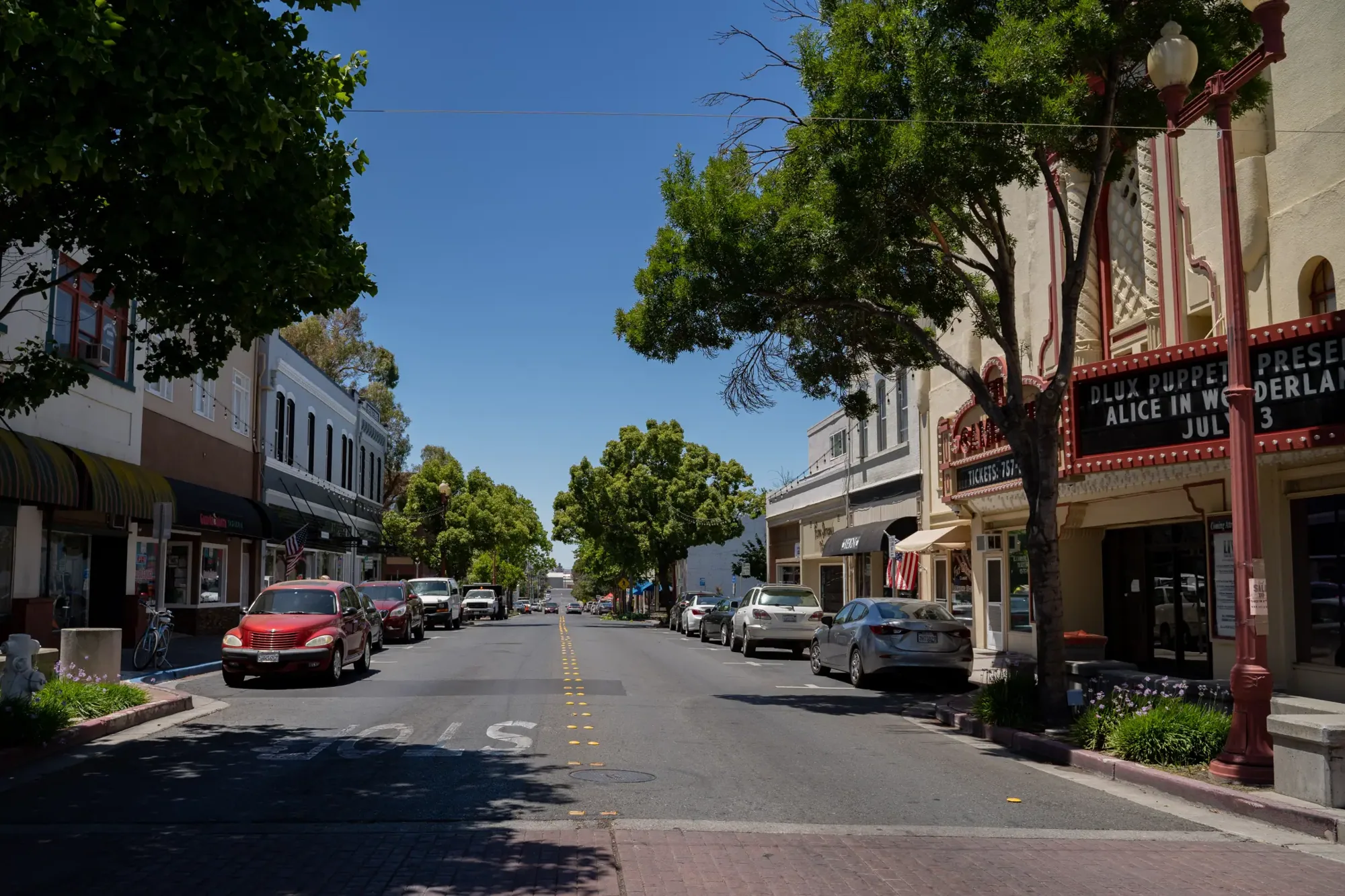
Walnut Grove's original Japanese-American commercial buildings are important local context, and the area's history includes agricultural workers and a Japanese-owned noodle shop that began in 1896. Those facts do not establish the age or roof assembly of a building on the active work order. We verify the property directly and identify which details can remain. A photo-based roof report can support that review with labeled views and a repair boundary. If a moisture survey or test cut is needed, the owner can see which finding it will clarify before authorizing the next step.
How do we plan work when a building has features to retain?
The GC, owner, and any preservation reviewer should agree on the work area, materials, access, and approval point before roofing begins. We identify which membrane or flashing will be removed and what transition must be protected during the work. If a review is pending, the crew can stabilize the leak and pause before permanent alteration. The daily closure plan keeps the exposed area limited while the owner makes the next decision.
Walnut Grove's historic commercial buildings and Delta community setting make property-specific coordination valuable. The actual truck route, staging area, and work hours come from the site contact. If the building remains occupied, interior protection and noise windows should be in the same sequence as removal and dry-in. A phased reroof scope can divide the roof into manageable work areas and show when each is secured. For an Isleton project, the property contact provides its own access plan, roof records, and any owner-specific preservation requirements.
How can the repair keep existing details intact?
We remove only the roofing needed to reach sound material and restore the failed connection. The crew prepares the substrate, replaces damaged layers included in the scope, and ties compatible membrane or flashing into the retained assembly. A thermoplastic sheet needs a clean area and a weld that can be checked. EPDM requires a compatible patch and seam preparation. Metal panels need their laps, fasteners, closures, and flashing inspected together. Where the owner must preserve a visible edge or wall detail, the approved scope should state exactly how it will be repaired.
A parapet termination can require counterflashing and membrane work at the same time. A curb leak may involve a flange that cannot be closed until equipment is reset. We coordinate those parts with the relevant trade and photograph the transition before and after installation. A flashing repair should state what original metal remains and what is replaced. Where the edge is part of the failure, coping and edge-metal work can be priced with the membrane connection. We keep the removal line narrow only when the surrounding assembly supports it.
When does the owner need a replacement comparison?
If leaks recur across several areas, moisture spreads beneath the surface, or the deck no longer supports reliable repair, the owner may need a broader scope. We inspect the assembly and compare localized work, recover, and tear-off. A recover is viable only when the layers below it are suitable and the moisture condition is understood. If a property review requires specific materials or details, those requirements should be included in the estimate before systems are compared.
The replacement proposal lists removal depth, insulation, cover board, membrane, perimeter metal, drains, curbs, and daily dry-in. It also records what stays in place and which concealed condition could change the work. A commercial roof replacement can address multiple assembly failures under one approved scope. A recover system has a different preparation and inspection path. Nearby Isleton and Rio Vista have their own building conditions; separate findings keep the work and budget tied to each owner and property.
What should the closeout confirm?
At turnover, the owner should have photos of the repaired details, a list of materials installed, the areas opened, and any inspection limit or approval condition that remains. We note the status of drains, seams, flashing, and the perimeter. If a later trade needs to touch a curb or penetration, the record identifies the membrane connection and the responsible handoff. That gives future maintenance a specific starting point and helps protect work that was just completed.
Walnut Grove's commercial heritage includes Japanese-American buildings and a noodle shop dating to 1896. A roof maintenance schedule for a current property should follow its actual assembly and any review obligations. We check drains, terminations, fasteners, and prior repairs, then record which condition needs immediate action and which can be monitored. A maintenance visit can refresh the record after roof equipment work or a repair. For another Delta property, we create an independent report and access plan.
Commercial Roofing Questions
Does Walnut Grove's history determine the roof system?
No. We inspect the current building, identify its assembly, and document any detail the owner or reviewer wants retained before pricing work.
What happens if a preservation review is still open when a leak is active?
We can document and stabilize the affected area, then hold permanent alterations until the responsible contact approves the detail. The report identifies what remains to be decided.
Can a roof repair preserve an existing wall or edge detail?
Yes, when the detail can remain serviceable and the approved scope defines how it will connect to new roofing. We inspect the metal, substrate, and membrane before setting that limit.
What should a Walnut Grove reroof estimate include?
Show the removal line, insulation and cover-board work, membrane, edge details, drains, approvals, temporary closure, and any allowance for concealed deck conditions.
How should the owner track later work by other trades?
Update the roof plan and photographs after a new penetration, equipment change, or repair. That record identifies where flashing must be protected and who owns the next handoff.
Related Roofing Work