What should be documented before work touches a historic property?
We photograph the roof and relevant transitions before removing material. The survey records seams, parapets, flashing, penetrations, drains, and the limits of access. For properties with preservation requirements, the owner confirms the approval path before a roof detail is altered. The roof inspection identifies the existing assembly, visible condition, and work area; the owner or GC handles any property-specific approval before construction begins.
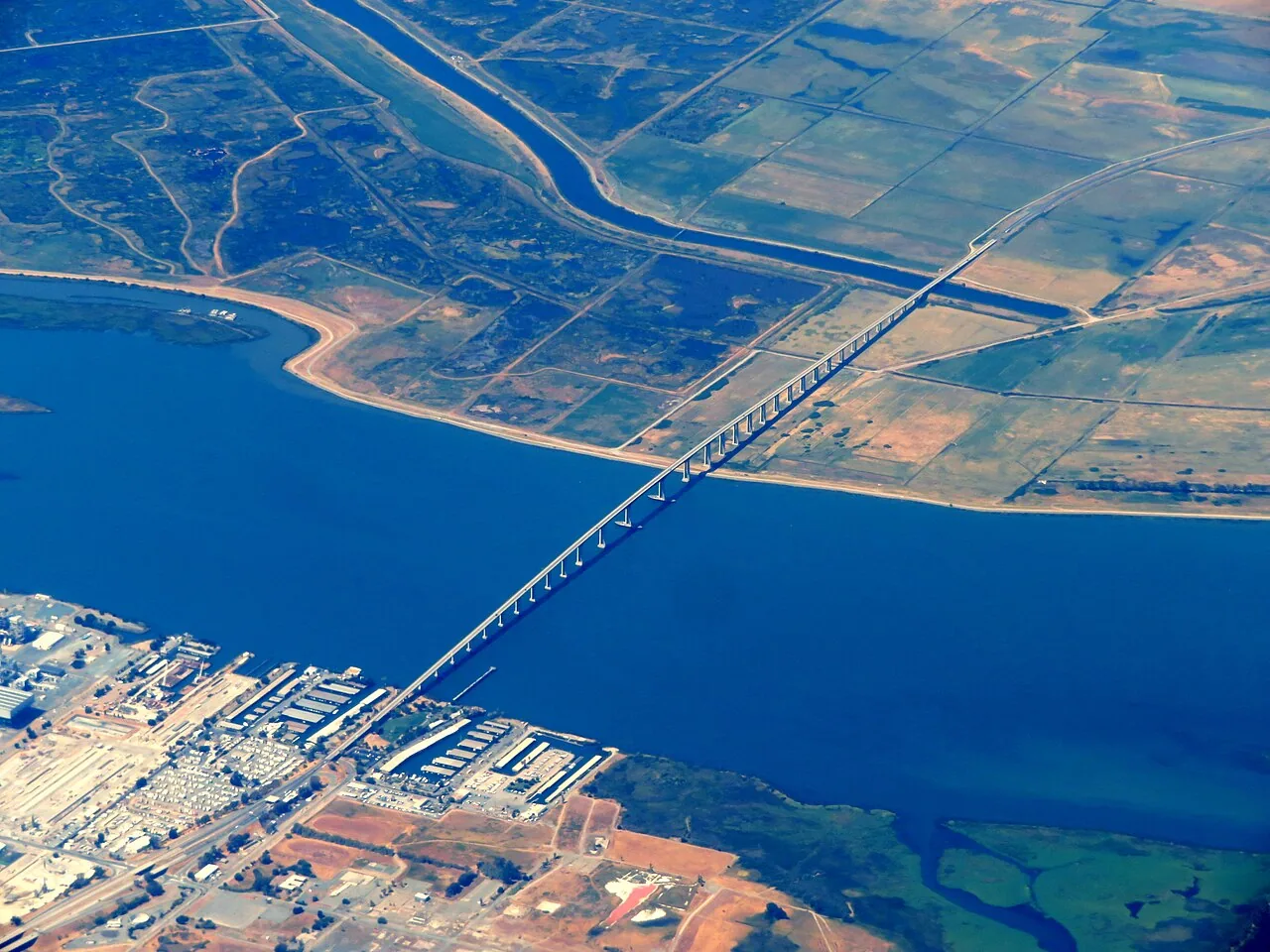
Isleton's preserved Main Street storefronts and its listed Chinese and Japanese districts are recognizable parts of the town. A roof scope near them should identify the exact building and any review contact, then show the proposed removal line and material change in a way the owner can evaluate. If concealed layers matter, an authorized test opening can record the deck, insulation, and attachment before a replacement decision. Aerial images can document broad surface conditions where access allows, but close inspection is still needed at flashing and seams. The report separates observations from work that needs approval before proceeding.
How should roofing and preservation reviews work together?
Before mobilization, the GC identifies who approves a roof alteration, what records the owner needs, and when the review must be complete. We describe the affected area, the existing material we can see, and the proposed repair or replacement detail. The sequence should also state how the roof stays watertight while a decision is pending. If additional documentation is required, the crew can limit removal until the responsible reviewer clears the next step.
Main Street's preserved storefronts and the Chinese and Japanese historic districts give Isleton a distinct setting. Each project needs its own review, so one building's approved details are not carried to another site. We coordinate access, staging, noise, and delivery timing with the property's operator. State Route 160 passes through town, but the GC confirms the actual truck route and loading location. A phased reroof sequence can help keep the open area small while review and operations continue. For work in Rio Vista, set a separate approval contact and schedule.
How do we close a leak without losing the approved detail?
Once the work area is authorized, we remove failed roofing to a sound boundary, prepare the substrate, and install a compatible patch or flashing. A thermoplastic sheet needs clean material and a weld that can be checked. EPDM requires compatible patching and seam preparation. Metal roofing calls for examination of panel laps, fasteners, closures, and flashing. If the assembly includes concealed wet insulation or damaged deck, the proposal should state whether opening those layers is included and how approval is handled if more area must be removed.
At a parapet, the membrane termination and counterflashing have to remain secure. At a curb or pipe, the flashing connects to the actual flange and adjoining roof field. We do not cover a failed attachment with surface sealant and call it complete. A flashing repair should show the transition that was restored. For a membrane seam, a seam repair must be compatible with the installed system and inspected after installation. The closeout includes photos and a record of any area that could not be accessed or tested.
When should the owner weigh replacement against repair?
A single failed detail may be repaired while the surrounding roof remains suitable. Widespread moisture, repeated leaks, deteriorated attachment, or multiple incompatible patches can make broader work more reliable. We inspect the assembly and compare repair, recover, and tear-off. The evaluation records which layers can remain, whether the deck is sound, and how drainage and edge details will be corrected. A recover is not appropriate over wet or unstable material, even if it would reduce demolition.
The written estimate separates roof scope from preservation requirements and includes removal, insulation, cover board, membrane, flashing, drainage, and daily dry-in. If property approvals change the selected materials or sequence, the team updates the related cost and schedule before work proceeds. A commercial roof replacement should identify the exposed-area limit and approval point for concealed conditions. A recover or overlay requires its own substrate and moisture review. A nearby Walnut Grove property should be evaluated separately, even when the same manager oversees both sites.
What should the final record include?
Turnover should include before-and-after photos, materials installed, the roof sections opened, and any approval or access limit that affected the work. We note the condition of drains, flashing, seams, and the perimeter, then identify any follow-up inspection. If another trade must work above the ceiling or roof later, the record shows which penetration was repaired and who owns the next flashing handoff. That gives the property team a usable project file for maintenance or future bids.
Isleton's Main Street storefronts and the historic Chinese and Japanese districts are part of the town's context. A maintenance plan should track the roof's actual condition and any property-specific review steps, not assume a detail can be changed without approval. We can schedule inspections to check laps, curb flanges, drains, and past repairs, then rank findings by urgency. A maintenance visit can document those items before a leak disrupts the building. For another property in the region, we prepare a separate roof report and work plan.
Commercial Roofing Questions
Do you need historic approval before a roof repair in Isleton?
The property owner or project team confirms which review applies. We document the affected roof detail and proposed work so the correct reviewer can evaluate it before removal.
Can a leak be stopped while a review is pending?
We can install temporary protection that does not decide the permanent detail, subject to property approval and safe access. The report records the stabilized area and remaining work.
What should the GC include in a roof bid near Main Street?
Include access, review contacts, approved material requirements, removal limits, temporary dry-in, and concealed-condition allowances. Confirm the delivery plan on site before mobilization.
How can you tell whether a historic building needs replacement?
We inspect the existing roof, substrate, drainage, and repair history. The owner can then compare repair, recover, or replacement alongside any property review requirements.
What is included in the roofing closeout?
Photographs, materials, repaired details, access limits, and follow-up items belong in the record. We also note any approved change to the work sequence or removal boundary.
Related Roofing Work