What should a roof survey record before removal?
We photograph the membrane, seams, parapets, flashing, drains, curbs, and earlier repairs before disturbing the assembly. The report notes visible materials and any area that could not be reached. If layers conceal the substrate, the owner can decide whether a test opening is needed to confirm deck and insulation conditions. For a building with preservation requirements, the record can identify the proposed work area and detail for review before materials are removed.
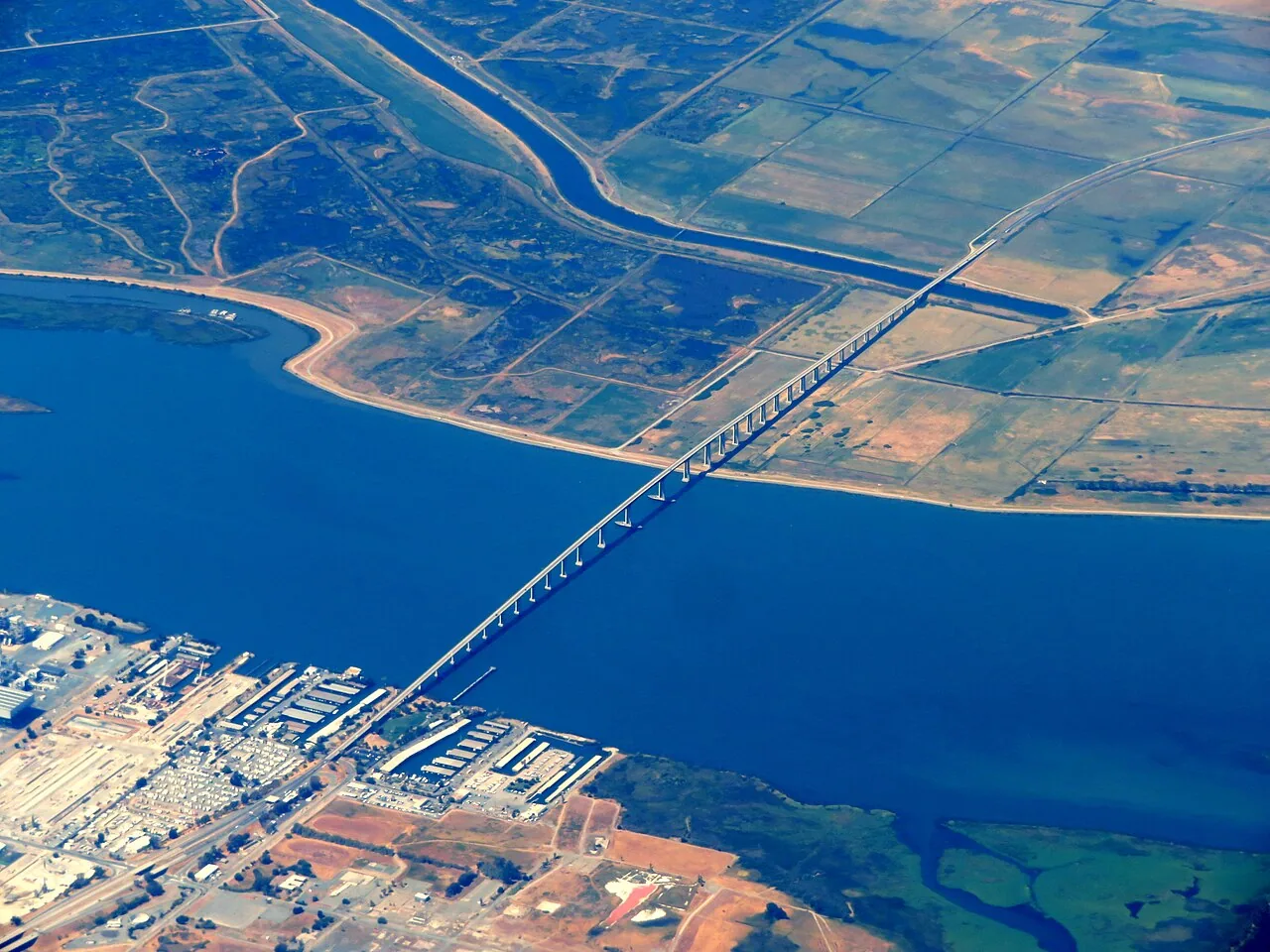
Port Costa sits on the south shore of Carquinez Strait. At each property, the survey records the existing roof materials, condition, access, and previous repairs. The Bull Valley Roadhouse occupies a former McNear office building, and the post office is housed in a former warehouse. We confirm the assembly, access, and review contact at the customer's property. A roof condition report separates confirmed findings from questions requiring testing. If a survey or core opening is recommended, the owner sees what it will establish before approving that work.
How should the owner handle a review before roofing starts?
Before mobilization, the project team confirms whether any preservation review or material approval applies. We describe which roof layers will be removed, the proposed repair or replacement detail, and how the work area will be protected while approval is pending. The GC also sets access, delivery, staging, occupied routes, and the end-of-day closure point. If a leak is active, temporary protection can stabilize the roof while the owner decides on permanent work.
For any site with owner-required approvals, the property contact identifies the responsible reviewer before removal and replacement are scheduled. They do not establish the construction or roof type of another property in town. We document what is present, then coordinate the scope with the responsible owner or reviewer. A labeled roof plan and photographs can show the proposed termination, removal limit, and temporary protection before permanent work is authorized. A phased reroof plan can limit the open section while the project proceeds. If a property manager also has a roof in Isleton, that site requires a separate review contact, roof survey, and work schedule.
How do we restore a wall or edge without hiding damage?
We remove failed flashing and membrane far enough to expose sound material, prepare the substrate, and rebuild the transition with compatible roofing. At a wall, the membrane termination and counterflashing need secure attachment. At an edge, the metal splice, fasteners, nailer, and field membrane should be checked together. A surface sealant cannot restore an attachment that has loosened below it. The estimate describes the removal line and any concealed condition that could expand the work.
The membrane type changes the repair method. TPO and PVC require clean material and a weld that can be examined. EPDM needs compatible patch materials and seam preparation. A metal assembly depends on its panel laps, closures, and fasteners. If the substrate is wet or deteriorated, we address it before closing the surface. A flashing repair should identify which metal stays and which is replaced. At a perimeter, edge metal and coping work may be needed to finish the connection. We photograph the completed transition so the owner can see how the repair ties into the existing roof.
When should the scope move from repair to replacement?
Several recurring leaks, wet insulation across multiple areas, failing attachment, or a deteriorated deck can make localized repairs difficult to maintain. We survey the roof and compare focused work, recover, and tear-off. A recover can preserve suitable existing layers only when moisture, deck, and compatibility support that option. Tear-off removes material to the defined boundary and can expose concealed conditions, but it also requires disposal and weather protection. The report should explain which facts support each option.
A replacement estimate lists the material to be removed, insulation, cover board, membrane, perimeter details, drains, and daily dry-in. It identifies the owner approval point if opening the roof reveals a different substrate. A commercial replacement can correct multiple connected failures under one sequence. A recover or overlay needs a separate suitability check and cannot be priced as an equivalent without inspection. For a separate Rio Vista project, create its own condition record and budget assumptions before combining property work.
What should remain in the property file?
Closeout includes photographs, installed materials, roof areas opened, approved changes, and any follow-up inspection. We record drain and edge conditions, the repaired seam or flashing, and limitations on access. If an owner or preservation reviewer approved a specific detail, include that scope with the roof plan so a later trade does not replace or penetrate it without review. A clear project file helps the next service visit distinguish the repaired area from older conditions.
Port Costa's historic context includes the Bull Valley Roadhouse's former office building and the former warehouse that houses the post office. A maintenance program should follow each property's actual roof condition and review requirements. We can check seams, flashing, drains, fasteners, and the perimeter, then note whether work is immediate or can be scheduled. A maintenance visit can update photographs after repair or equipment work. For an owner with another nearby property, maintain a separate survey and work file for each roof.
Commercial Roofing Questions
Can the former warehouse tell you what roof is at my property?
No. The post office occupies a former McNear warehouse, while we inspect the current roof, substrate, drainage, and flashing at your building before proposing work.
What should be reviewed before repairing a historic roof detail?
The owner confirms any applicable preservation requirements. We document the existing material, proposed repair, removal limit, and temporary protection for that review.
Can you stop a leak while approval is pending?
We can protect the opening with a temporary measure when the owner authorizes access. The permanent alteration waits until the required detail and material are approved.
How do you assess the roof on a former office or warehouse?
We inspect its current assembly, substrate, drains, edges, and penetrations. A former use does not determine the roof system or its present condition.
What does a replacement proposal need to show?
It should set the removal boundary, material layers, flashing and edge work, dry-in plan, access limits, and how concealed damage will be handled if uncovered.
Related Roofing Work