What should the roof walk document?
We follow the reported water path across membrane laps, wall terminations, curbs, drains, scuppers, edge metal, and previous repairs. The ceiling stain can be several feet from the failed point, so the inspection checks the roof above and beside the affected area. Photographs show what was accessible and where equipment or a safety restriction limited the view. If several roof layers conceal the substrate, the report identifies whether an authorized test opening would clarify the moisture boundary or deck condition.
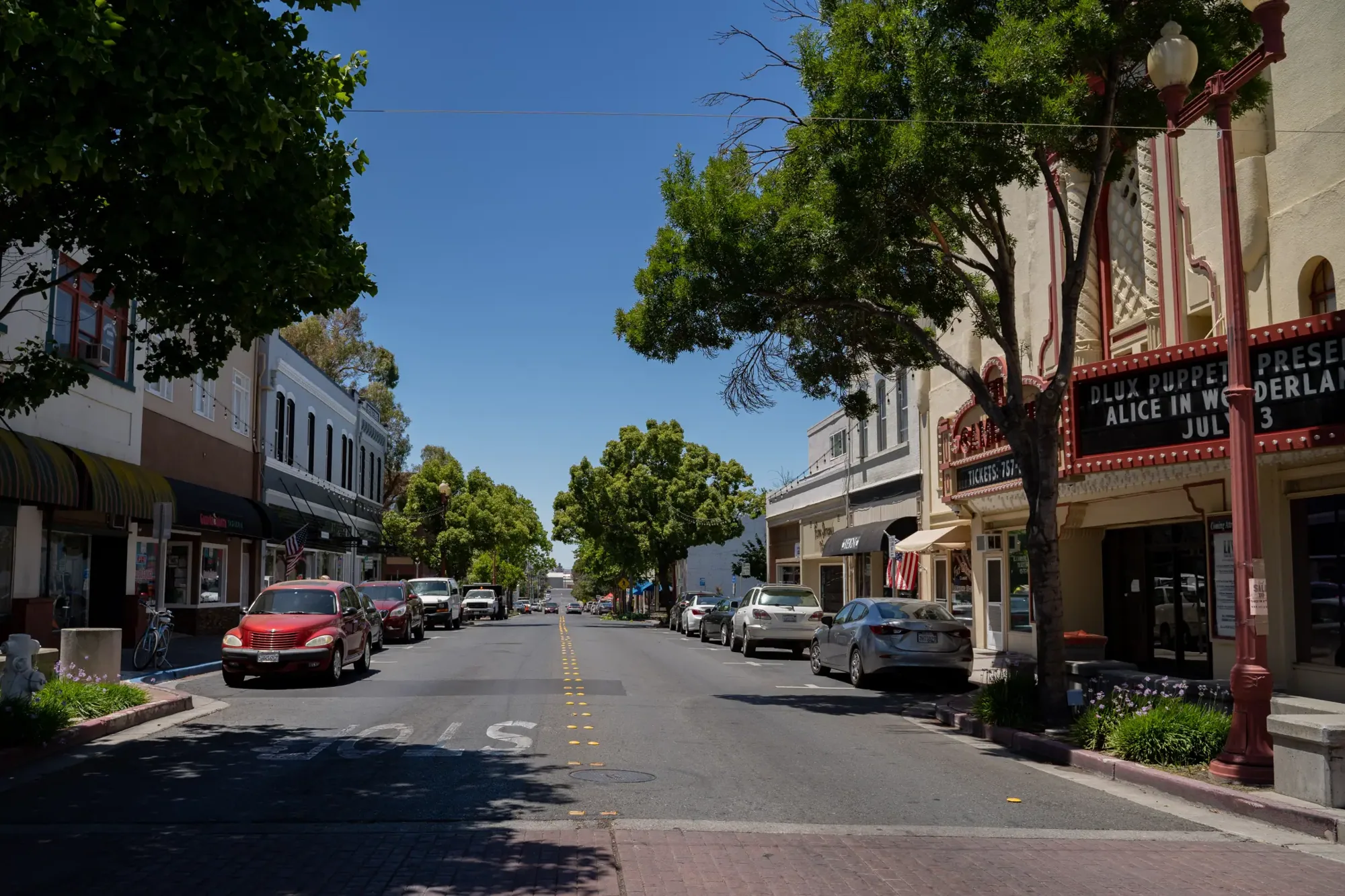
Knightsen's location near Oakley helps identify the service area, while roof type and condition come from inspecting the building in the work order. We record confirmed defects separately from concealed questions and explain what further testing would resolve. A photo-based condition report can show the repair boundary, accessible roof details, and findings that need follow-up. This gives the owner a basis for approving work without assuming an unseen layer is sound or adding unverified conditions to the scope.
How do we fit roofing work around site operations?
The GC and owner should identify roof access, loading limits, delivery space, occupied entrances, and the trades scheduled during roofing. We set a daily work area small enough to remove, prepare, and secure before the shift ends. If a mechanical crew must disconnect or reset equipment, the scope names the handoff and the date roofing can flash the curb. Interior protection and noise windows are part of the schedule, not a field decision made after tear-off starts.
Knightsen Elementary serves local students, and any school project needs an access plan approved by its responsible facility team. We confirm which rooms remain in use, how materials will reach the roof, and who can authorize a temporary closure. Agricultural operations in the area may have their own traffic and loading patterns, which the property contact can identify for the job. A phased reroof can divide work by roof area and protect each completed section before the crew moves on. For a second asset near Oakley, make a separate work plan and access record.
Before a crew mobilizes, the site contact should identify gates, roof hatches, keys, escort requirements, and any area that cannot carry a lift or material load. We compare the planned staging point with the roof access route and keep fire lanes and active work areas clear. If another contractor is scheduled on the same day, the GC assigns a time and physical boundary for each trade. These details keep a membrane opening from waiting uncovered while equipment or access is rearranged.
Which repair detail keeps water out of the assembly?
A lasting repair has to close the failure at the layer where water enters. For a membrane lap, we remove loose or contaminated material, prepare the receiving sheet, and install a compatible patch or welded tie-in with enough sound surface around the opening. A metal panel repair follows the panel profile, fastener pattern, and closures; a surface sealant alone cannot restore a separated lap. The written scope should name the material and connection being rebuilt.
Before closing, we check adjacent seams, curb flanges, wall terminations, and the route water follows toward the drain. If a support or equipment base moves, its trade must stabilize it before roofing completes the flashing. The crew photographs the prepared surface and completed connection, then records where the removal stopped and whether concealed insulation or deck was verified. That gives the owner a specific repair record and the next contractor a clear handoff.
Knightsen's orchards-and-dairies heritage helps place the community in eastern Contra Costa County. For the project itself, the property contact sets delivery access, staging, and any operating limits. The crew plans the repair around those confirmed conditions, protects the open area, and closes the assembly before moving to another section. If the inspection shows damage extending beyond the approved boundary, the general contractor receives the finding and approves the added work before removal continues.
A membrane puncture repair follows that removal and preparation sequence. When perimeter metal is damaged, edge-metal work needs a stable receiving edge before the membrane connection is closed. For another building near Oakley, inspect the roof and document its own conditions instead of carrying this repair boundary across properties.
When should the project compare a repair with replacement?
A localized defect may be repairable when nearby membrane, attachment, and substrate remain sound. Widespread moisture, repeated seam failures, or damage extending across several roof sections can call for a broader project. We inspect enough of the assembly to distinguish these conditions, then compare repair, recover, and tear-off. A recover requires existing layers that are dry and stable enough to accept another system. If moisture or a deck issue remains below the surface, covering it may prolong the failure and complicate future access.
The estimate states demolition limits, insulation and cover-board work, edge and drain details, equipment flashing, and daily dry-in. It also identifies how the crew will protect the building if concealed material changes the scope. A full replacement may be appropriate when several components have reached the end of useful repair. A recover system has a separate suitability check and preparation plan. If a property manager oversees another building in Brentwood, its inspection results and budget should be reviewed on their own instead of combined with Knightsen by default.
What makes the repair record useful next year?
Keep the roof plan, repair photos, materials installed, and records of new penetrations or equipment changes. That information helps a future trade avoid cutting through a completed seam or fastening into flashing. Follow-up visits should review the repair boundary, clear drains, inspect curb flanges and edge attachment, and note any work performed by other contractors. If an area could not be reached during the first inspection, record that limit so the next visit can close the gap.
For properties with agricultural operations, confirm the current site contact and any seasonal schedule that affects access before maintenance is planned. Knightsen's proximity to Oakley helps orient the service area, but each roof gets its own inspection and condition report. We rank findings as immediate repair, planned work, or monitor, with a reason for each recommendation.
Commercial Roofing Questions
What should an inspection include at a commercial property in Knightsen?
We identify the installed roof system, deck and insulation condition, drainage, penetrations, and access requirements at the property. Those observations establish repair limits and any testing needed before work is priced.
How do you plan work around an occupied building?
The owner and general contractor confirm access hours, delivery routes, interior protection, and any equipment handoff. Roofing is divided into areas that can be prepared and closed before the shift ends.
How do you avoid opening more roof than can be closed?
Daily removal limits are set based on the repair detail, crew capacity, weather, and access. Each section has a defined dry-in point before the next area is opened.
What affects repair cost?
Removal depth, substrate condition, equipment access, flashing, drainage, and interior protection affect the scope. Confirmed repairs and concealed-condition allowances should be listed separately.
When should a roof report be updated?
Update it after a repair, new penetration, equipment reset, or inspection that changes the condition rating. Photos and an updated roof plan give the next crew a reliable starting point.
Related Roofing Work