What does the building use change on the roof?
Retail, vehicle sales, healthcare, and school operations create different coordination needs, even when their roofs use similar membranes. A shopping property may need deliveries and customer access kept clear. A dealership can have vehicle inventory or service activity below the work zone. Healthcare and education projects need interior protection, noise planning, and clear communication before a roof area is opened. At the property, the GC confirms occupied areas, access, and the contact authorized to approve temporary closures.
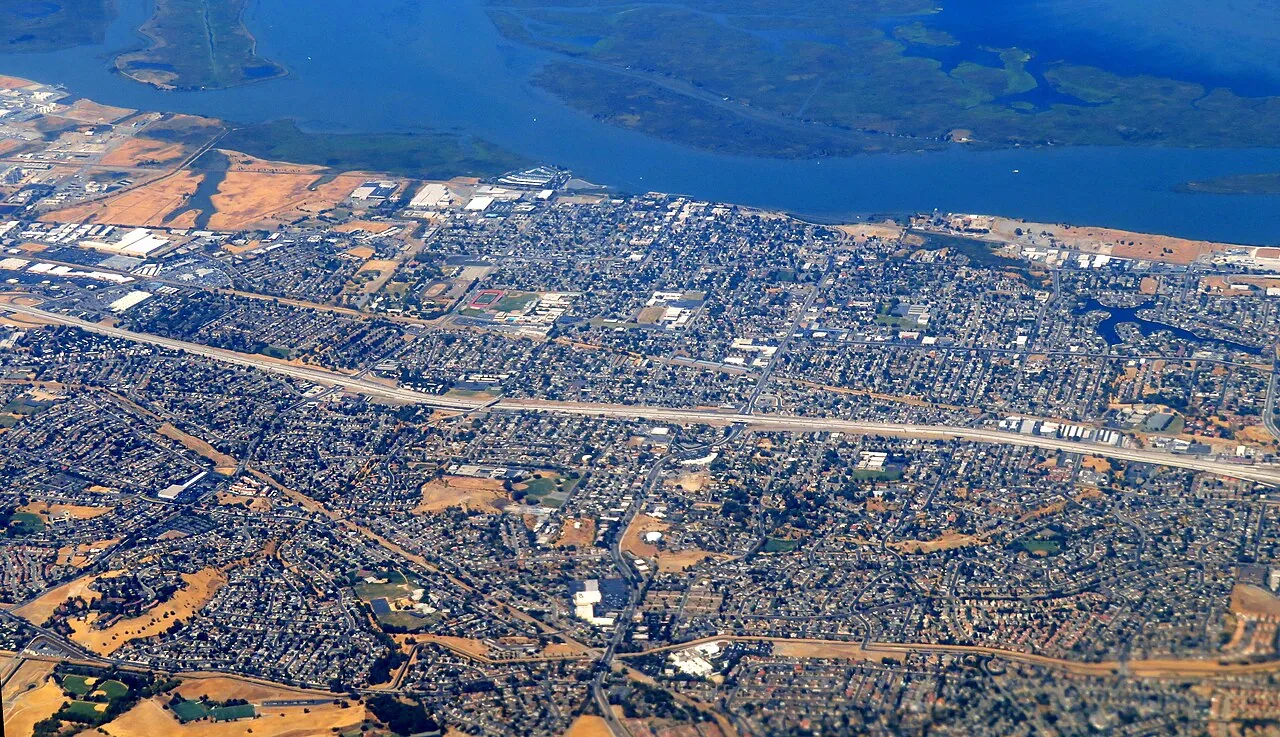
Sunvalley Shopping Center and Concord's auto dealerships are useful context for the mix of commercial activity. John Muir Medical Center and Mt. Diablo Unified School District also appear among the city's listed employers. At each building, we confirm the roof system and visible condition from inspection, and use maintenance records when age or prior work affects the scope. We verify whether the assembly is TPO, PVC, EPDM, modified bitumen, built-up, or metal; then review its seams, flashing, penetrations, and drainage. Where mechanical work shares the roof, the general contractor needs a clear division of responsibility for curbs, pipe supports, and equipment connections. A shopping-center roof scope should state how material delivery and tenant access fit the sequence.
Which findings belong in the first inspection?
We map visible water entry back toward a likely roof detail instead of treating the ceiling stain as the repair location. The inspector checks membrane seams, patches, wall terminations, curb flanges, edge metal, drains, scuppers, and changes made by other trades. A moisture survey may help identify wet insulation, but suspicious readings need confirmation before the final removal line is set. The written report should identify the roof areas inspected, the limits on access, and the openings or tests required to confirm concealed conditions.
The difference between an isolated defect and a system problem affects both budget and disruption. If one seam has lifted and the surrounding sheet is sound, a targeted repair may close the assembly. If multiple transitions have failed or moisture extends beyond the visible area, the repair plan should account for the wider condition. We document photographs and measurements so the owner can compare locations and approve a defined scope. For a medical or school property, interior coordination starts before material removal: confirm occupied rooms, sensitive equipment, ceilings that need protection, and contacts who can approve temporary closures. See how a roof condition report supports the GC's project file.
How do we close a repair without trapping the defect?
Repair starts with exposing sound material and finding the full extent of the failed connection. We remove loose flashing or membrane, dry and prepare the substrate, then install compatible material with a sealed or welded edge suited to that system. A patch over contamination, wet insulation, or a moving curb can fail because the original cause remains. We check whether the deck or cover board is stable, whether water can reach the opening again, and whether another trade must reset equipment or flashing before the roof is closed.
System type changes the detail. Thermoplastic seams need a clean surface and a verifiable weld; EPDM requires compatible patch materials and seam preparation; metal roof work may involve fasteners, laps, closures, or a failed panel transition. Where a repair is temporary, we state what permanent work remains and how the area should be monitored. A flashing failure repair should include the wall or curb connection that lets water behind the membrane. For a confirmed Brentwood property or Pittsburg building within the wider work program, keep photos and detail labels distinct for each address. The owner receives a record of the actual repair, not a generic closeout note.
When should the scope move beyond repair?
Repeated leaks, deteriorated membrane, widespread wet insulation, or unstable deck conditions may make a series of small patches poor value. We compare localized repair with recover and replacement after inspecting the existing layers and checking drainage. A recover is only practical if the existing assembly is a suitable base and moisture conditions are understood. Tear-off provides access to concealed materials but adds removal, disposal, and weather protection to the plan. The estimate should show these tradeoffs clearly instead of presenting a single system without explaining why it fits.
A full replacement scope includes more than the field membrane. It needs a deck assessment, insulation and cover board, perimeter attachment, drain and scupper details, equipment transitions, temporary dry-in, and a sequence that keeps the building protected. The selected system may be mechanically attached, adhered, modified bitumen, metal, or another assembly chosen for the actual roof. Where the building team is deciding across several assets, capital planning can rank urgent conditions and separate immediate water control from scheduled work. We define allowances for concealed damage and document the approval point before extending removal. That keeps a bid useful when the actual substrate is exposed.
How do we plan occupied work and turnover?
A roof opening should have a daily closure plan before tear-off begins. We agree on staging, delivery routes, lifting equipment, noise windows, and areas that must remain available to tenants or staff. The crew removes only the section it can prepare and protect within the work period. If weather or a trade delay interrupts the sequence, temporary water stops and a documented dry-in condition protect the interior while the next step is arranged.
Military Ocean Terminal Concord, an Army-operated site on the Suisun Bay waterfront, is within the city. At controlled properties, the owner or GC establishes site-specific access and safety requirements before mobilization. For other occupied projects, our team coordinates with the responsible facilities contact and mechanical trades, confirms who owns each opening, and records when roofing can proceed. After installation, we provide photographs, material and repair notes, drain and edge observations, plus any unresolved testing or follow-up item. A maintenance visit can keep drains, seams, and penetrations on a defined review schedule. Request a Concord inspection with the bid deadline and dry-in requirement.
Commercial Roofing Questions
Can you build a Concord roof bid from an inspection?
Yes. We document the visible assembly, note access limits, and separate confirmed repairs from test openings or concealed conditions that still need a decision.
How do you handle equipment openings during a reroof?
The GC and equipment trade confirm who disconnects, supports, and resets each unit. We mark the curb and flashing scope, then close the membrane after the opening is ready.
Does a shopping-center roof need a different repair method?
The membrane determines the repair detail; tenant access and delivery activity affect the sequence. We verify both before setting work limits and temporary protection.
What should be included in a Concord roof closeout?
Keep photos, locations, installed materials, repaired details, drain observations, and any remaining test or access item. The next trade should know where roof penetrations need protection.
Related Roofing Work