What can a roof inspection confirm?
The first walk should establish what is on the roof and where water can travel. We identify membrane type, lap direction, edge attachment, flashing heights, penetration seals, drain bowls, and any surface movement. From the interior, we note active drips, stained finishes, and areas that may need protection. A moisture survey can help locate suspect insulation, but an opening or other verification may be needed before the repair extent is approved. The report should separate confirmed observations from items requiring access or testing.
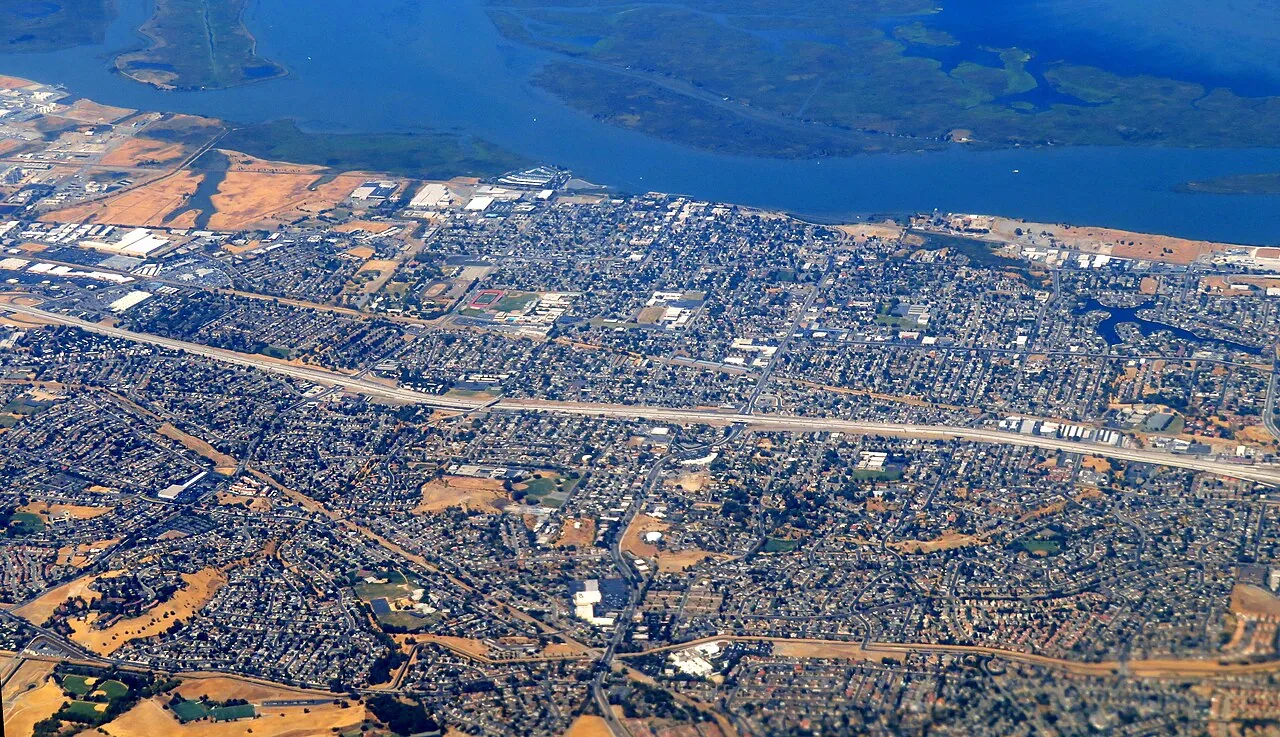
Bay Point lies beside Suisun Bay, while the Pittsburg/Bay Point BART station is in neighboring Pittsburg. Its location in Pittsburg helps orient the area, while access and staging for Bay Point work are checked at the actual property, including safe ladder or lift placement and routes that do not block operations. We record the condition by roof area and photograph the relevant detail so the GC can carry a clear bid. A condition report can also help owners compare urgent leak response with a planned capital project. If a tenant fit-out or HVAC replacement is underway, we identify any new roof opening and assign responsibility before the trades proceed.
How do we stop a leak at its source?
Water does not always show beneath the roof opening. It can move along a deck flute, insulation joint, or framing member before reaching the ceiling. We check the likely path and inspect seams, penetrations, wall transitions, drains, and prior repair edges near the interior symptom. Once the defect is exposed, we remove loose material and define the repair boundary on sound substrate. If the surrounding membrane is stable, a localized patch may work. If the layer is wet or the bond has failed beyond the visible split, the work needs to extend to that condition.
The repair detail follows the assembly. TPO and PVC require clean, prepared surfaces and a weld that can be inspected. EPDM repair relies on compatible flashing and seam treatment. Modified bitumen and built-up roofs call for attention to the existing surfacing, ply condition, and tie-in. Metal roofs need a check of panel laps, fasteners, closures, and penetration boots. Where a transition has opened, flashing repair must reconnect the wall or curb detail to the field membrane. We state whether the work is a temporary water stop or permanent repair, and provide photos of the material removed and the completed connection.
When does replacement beat repeat repairs?
Several leaks in separate roof areas, repeated failed patches, deteriorated seams, or widespread wet insulation can make isolated repairs unreliable. We survey the assembly and compare repair, recover, and tear-off. Recover work depends on the existing layers, deck, and moisture condition; adding another surface over wet insulation can leave the failure in place. Tear-off gives access to concealed material but requires a larger removal and protection plan. The owner needs the reason for each option, not just a list of products.
For a replacement, we set the sequence by roof section so the building remains dry at each shift. The scope includes removal depth, deck preparation, insulation, cover board, membrane attachment, drains, edge metal, curbs, and temporary dry-in. Access for material handling and equipment lifting affects schedule. We also confirm whether mechanical trades must raise or disconnect units and who will restore their connections. A recover assessment can determine whether existing layers are suitable to remain. For a portfolio with a building in Pittsburg or Antioch, record each roof separately and compare condition by assembly rather than assuming one scope fits both locations.
How do we protect operations during roofing?
State Route 4 crosses Bay Point; before material arrives, the property contact confirms the truck route, loading area, staging space, and roof access. We confirm the property's receiving hours, staging area, lifting plan, and any restrictions on parking or pedestrian routes. Before tear-off, the GC and property contact agree on which roof area can be opened and how it will be closed if the schedule changes. We phase noisy or disruptive work around occupied spaces and protect ceilings, equipment, and inventory under the active section.
Trade coordination matters at every roof penetration. The roofer needs the equipment trade to finish its curb, conduit, support, and attachment work before the membrane is sealed. A written responsibility matrix helps prevent repeated openings and unclear warranty or leak responsibility. Our crew documents the daily removal line and the dry-in state at handoff. If a leak response comes first, we stop water entry where practical, protect interior contents, and return with a permanent scope once the assembly can be inspected. The work plan should name the person who can approve temporary protection, authorize testing, and accept the closed roof each day. A GC coordination plan can keep those decisions visible before mobilization.
What belongs in the roof record after closeout?
Closeout should show what changed on the roof and what still needs attention. We provide photographs, repaired locations, system or patch materials, drain and edge observations, and notes on inaccessible areas. If a test opening was made, the report should show how it was closed and what material was found. The property team can use the record to keep future HVAC, electrical, and sign work from cutting through a finished membrane without a repair plan.
Maintenance visits can review seams, flashings, drains, scuppers, and rooftop penetrations before a small separation becomes interior damage. After another trade works above the ceiling, inspect the roof connection around that equipment and update the file. If the inspection finds a larger problem, a capital plan can order the work by urgency and budget window. A clear report gives the owner a basis for deciding whether to patch, test, or replace. Request a Bay Point roof review with the building use, known leak history, access contact, and required work date. We will define the repair boundary and the trade handoff before material is removed.
Commercial Roofing Questions
Does the BART station identify a Bay Point roofing location?
No. The Pittsburg/Bay Point station is in Pittsburg. We schedule work for the actual Bay Point property and verify access, roof assembly, and operating needs there.
Can you locate a leak when the ceiling stain is offset?
Yes. We trace likely water paths through the roof assembly, inspect nearby transitions and penetrations, and identify where testing is needed to confirm concealed moisture.
What information helps price a Bay Point roof repair?
Photos, roof access details, known membrane type, previous repairs, leak timing, and the required dry-in date help us plan the inspection. The final scope follows field conditions.
Can roof replacement be divided into phases?
Yes, when the assembly and schedule support it. We set removal limits, temporary closure, deliveries, and trade handoffs by section so each day's work can be protected.
Related Roofing Work