What does the valley weather change in the work plan?
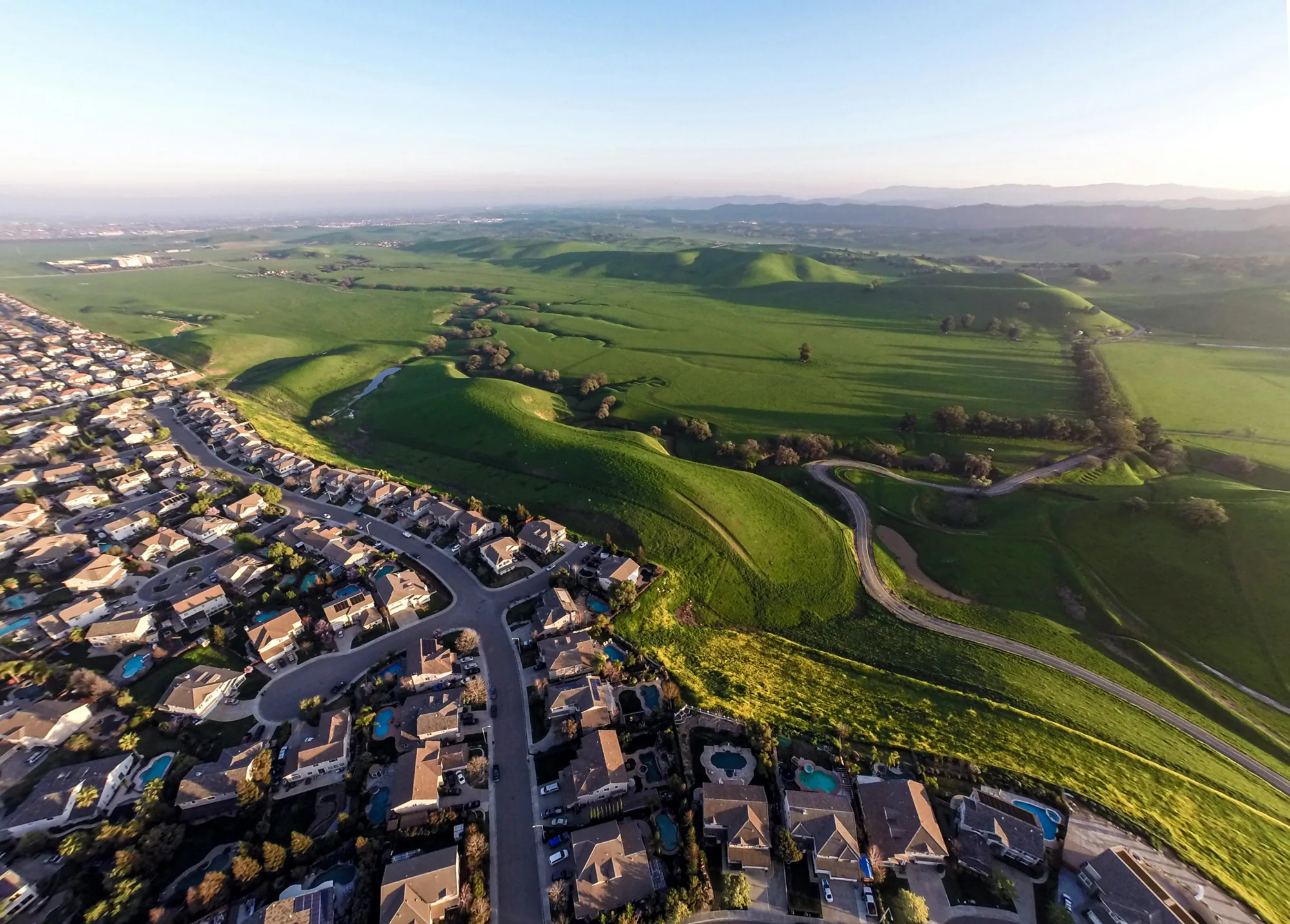
Cool-season rainfall makes drainage paths and temporary tie-ins part of the scope, not a closeout detail. We check drain bowls, scuppers, crickets, and low points while tracing the leak. During dry summer work, exposed substrate still needs protection from dust and debris before a patch, coating, or membrane is installed. Alamo's weather describes seasonal conditions, not a prediction for a specific job date, so the field crew checks the forecast and material requirements before opening each section.
At a roof edge or curb, daily heating and cooling can stress a connection between rigid metal and a flexible sheet. We inspect the flange, seam, and surrounding attachment before adding material. A new coating can only go over a surface that is suitable and dry; it will not correct trapped moisture or a loose substrate. If the roof assembly is unknown, a moisture survey or authorized core opening can clarify what sits below the visible layer. A moisture survey helps target follow-up testing, while the written report distinguishes readings from confirmed wet insulation. That difference changes both the removal line and the estimate.
Which findings set a reliable repair boundary?
We start at the reported leak and inspect adjoining seams, wall terminations, penetrations, equipment curbs, drains, and previous patches. Water may travel below the membrane before it appears indoors, so the visible stain alone does not set the repair limit. Photographs show where the roof was opened, what material was found, and which area remains unconfirmed. If the owner authorizes a test cut, we record the deck, insulation, cover board, and existing layers before closing the test location.
Danville Boulevard and Stone Valley Road meet near Alamo's commercial core, and Interstate 680 provides access to the area. Those landmarks help orient a project team; they do not describe any particular roof's construction or delivery setup. The property contact confirms where materials can be staged and how crews reach the roof. We also mark equipment that needs shutdown or reset, so the roofer does not close a curb before the mechanical trade is ready. A roof condition report provides the GC with photos, a repair boundary, and the next decision. The same record separates confirmed repairs from allowances for material hidden below the surface.
How do we close a leak without leaving a weak seam?
The repair follows the existing roof system and the condition of the material around it. We remove failed membrane or flashing, clean and prepare the substrate, then install a compatible detail with edges that can be inspected. A thermoplastic patch needs a clean surface and a proper weld. EPDM calls for compatible patch materials and seam preparation. Metal roofing needs its panel laps, closures, fasteners, and flashing reviewed together. If the deck or insulation is wet, the scope must address those layers before a surface patch hides them again.
Drain work requires more than clearing leaves from the bowl. We look at the outlet, clamping ring or flange, membrane tie-in, and path into the drain. If the roof has a low point without reliable drainage, the GC may need to coordinate tapered insulation or deck adjustments before final roofing. A ponding-water repair should identify whether the problem is a blocked outlet, a failed tie-in, or the roof geometry. We can also repair edge metal and coping when the perimeter connection is part of the water path. The closeout photos show the outlet and completed membrane connection, not just the cleaned surface.
How should the GC sequence occupied roof work?
The work plan begins with access, staging, tenant routes, and the roof sections available each day. We divide tear-off into areas that the crew can prepare and dry-in before leaving. When HVAC, electrical, or plumbing work touches the roof, the responsible trade confirms the opening and resets the equipment before flashing is completed. The scope names who supplies the curb, who secures the unit, and who owns the membrane connection. That handoff prevents a new penetration from crossing an unfinished or recently repaired area.
Alamo's commercial properties sit near Interstate 680 and the Danville Boulevard and Stone Valley Road corridor, but the GC should verify property-specific truck access and lifting positions. We do not set crane placement from a map. The building contact confirms work hours, restricted entrances, and any interior areas requiring protection. For a larger project, a phased reroof can keep the daily removal area within the available closure window. If a separate property in Danville is on the same program, it receives its own roof plan and trade schedule rather than inheriting Alamo's assumptions.
What should the owner track after repairs?
Keep the roof plan, approved scope, photographs, and record of penetrations added after turnover. Those details help the next service trade avoid cutting through a repaired seam or fastening into a flashing leg. Maintenance checks should include drains, scuppers, edge attachment, curb flanges, and the locations where earlier leaks were repaired. Alamo's rainy winter season makes clear drainage and secure tie-ins useful items to review before weather arrives, especially if rooftop equipment work has changed the surface.
We can record each finding as immediate repair, scheduled work, or monitoring, with the reason for that priority. If a small defect grows, the owner can compare new photographs with the earlier repair instead of starting without a record. Nearby Walnut Creek is a separate municipality and roof conditions must be evaluated independently. For that property, the Walnut Creek roof assessment should use its own access and condition findings. An Alamo maintenance visit can also verify that repairs have stayed bonded and that runoff reaches the intended outlets. Provide the site contact, access rules, and any equipment work completed since the last visit.
Commercial Roofing Questions
Does Alamo's rainy winter season affect a repair recommendation?
It makes drainage and temporary protection important to review. The roof inspection determines whether the outlet, membrane, or underlying slope needs correction before the next rain.
Can a coating solve ponding on a commercial roof?
A coating does not change the roof geometry or remove wet insulation. We first identify why water remains, confirm the surface is suitable, and then compare repair choices.
What should be confirmed before replacing rooftop equipment?
The trade team should confirm opening dimensions, support, shutoff, and reset timing. Roofing can then install the curb flashing and membrane tie-in after the equipment work is ready.
How do you set the limit of a leak repair?
We follow the visible damage, inspect adjoining details, and test concealed layers when authorized. The estimate marks confirmed work separately from any allowance for hidden damage.
What records help with future service calls?
Keep the roof plan, repair photos, materials installed, drain and edge notes, and records of later penetrations. Those details help the next crew protect completed roofing.
Related Roofing Work