Is the wet area coming from equipment discharge or roof entry?
Start at the reported leak, then inspect the surrounding details that can move water away from its entry point. We compare interior observations with membrane seams, curb corners, pipe boots, wall transitions, drain bowls, and the slope toward an outlet. Water beside a mechanical unit may come from rain entry, condensation, a plumbing leak, or a combination. If the source remains concealed, the report explains where a test opening or trade inspection would answer the question.
Moisture below the membrane changes the repair boundary. We identify where an authorized opening can check insulation and deck, record the condition at each layer, and separate confirmed replacement from an allowance for unseen material. An infrared moisture survey may help select test locations, but the reading does not replace physical verification. Wet or deteriorated substrate needs correction before new roofing is installed. That sequence prevents a small visible repair from closing over material that cannot support a sound connection.
Drainage is another independent path to examine. A roof drain can be clear at the grate while the surrounding membrane, bowl, or connection has separated; a low area can also hold water after an outlet is repaired. We inspect the roof slope and identify whether a drain, scupper, or overflow is part of the reported condition. If the outlet connects to plumbing that needs correction, that work is assigned to the appropriate trade before the roof detail closes. Drain and scupper repairs should restore the roof connection and preserve a usable path for runoff.
Which refrigeration tasks must happen before membrane preparation?
Refrigeration, plumbing, electrical, and roofing work may meet at one penetration, but each trade owns a different component. Before membrane removal, the equipment team confirms which line, conduit, or support must move and when it will be stable. The roofer needs enough clearance to inspect the substrate and form flashing without loading or lifting a service line. The project plan names the person authorizing shutdown, the area available for staging, and the point at which the equipment can return to service.
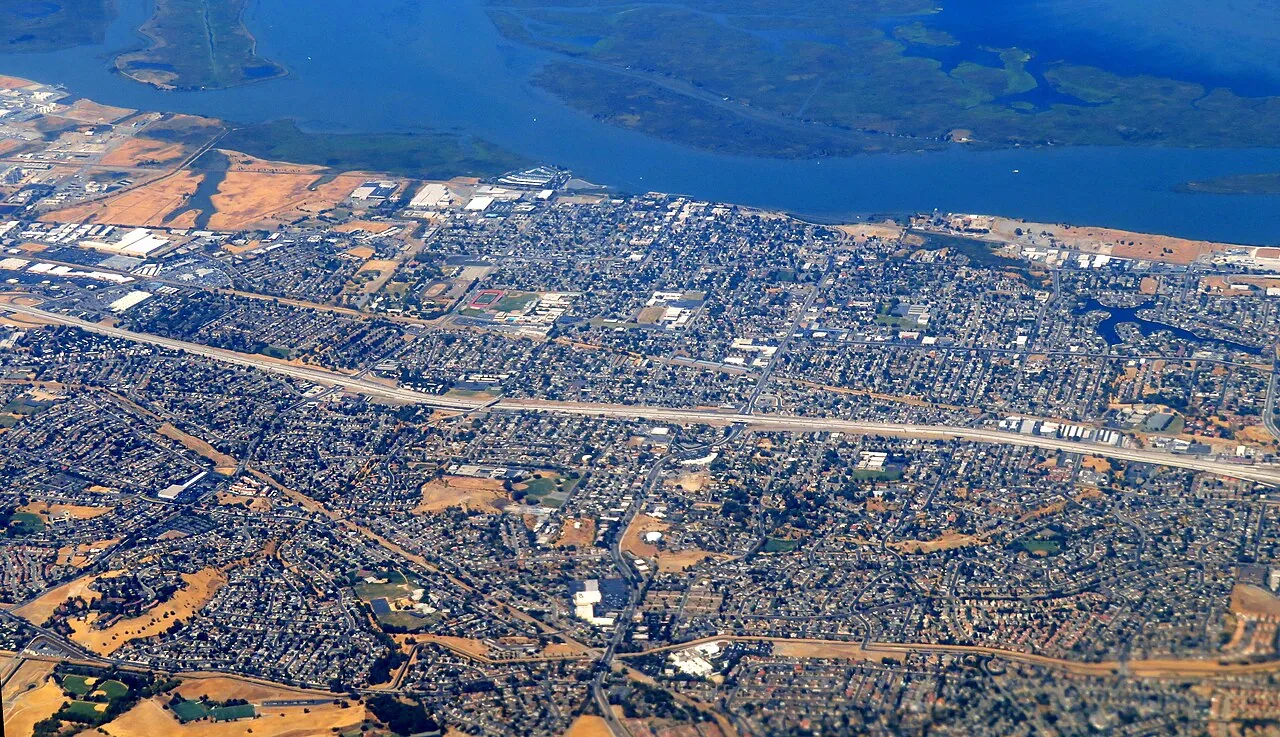
Grocery deliveries and roof deliveries can compete for the same access. Oakley adjoins Antioch and Brentwood, and State Route 160 follows Oakley's western side; the local connection helps identify the service area, while each property's loading route still needs confirmation. The general contractor can set a delivery window, separate waste handling from food receiving, and keep service crews clear of the roof staging zone. Retail roof work above active operations also depends on a daily work limit that can be dried in before the store's next operating period. A prepared-food area may add exhaust and grease-bearing air near roof penetrations; where that equipment is present, roofing over food-service operations requires the same separate review of exhaust, access, and flashing condition.
How is removal controlled around supported service lines?
Removal should stop at material that is suitable to receive the repair. We cut back failed membrane or flashing, examine the exposed insulation and deck, and include only verified layers in the fixed scope. If the opening reveals wet board, corrosion, or a damaged deck, the crew protects the area while the general contractor approves the correction. A temporary water stop keeps the building protected until the substrate is ready. It is not the permanent roof detail, and the estimate should label it accordingly.
System-specific preparation matters at the curb and field sheet. Thermoplastic membrane needs a clean surface for heat welding; EPDM uses compatible cleaning and seam products; metal requires attention to panel laps, fasteners, closures, and edge conditions. We check whether nearby material can be retained and show any added demolition as a separate decision. Where a line support crosses the removal area, its trade must leave the finished flashing accessible and must not fasten through the restored membrane. The closeout photo records how the detail was rebuilt.
What does the discharge change leave for permanent flashing?
A recurring leak around several units, widespread wet insulation, or failing seams across connected roof areas may justify comparing local repair with a larger project. We inspect representative areas and examine drainage, attachment, edge details, and the condition of layers beneath the surface. A recover is considered only if existing materials are dry, stable, and suitable for the added assembly. If moisture is trapped or the deck needs work, covering the roof can retain the underlying defect and limit future access.
The proposal separates tear-off, insulation, cover board, membrane, curb flashing, drain work, equipment coordination, and daily dry-in. It identifies which unknowns could change price or timing and where the owner must approve a concealed-condition repair. A commercial roof replacement may require removal to deck; a recover option follows different preparation and attachment requirements. For a property manager with sites in Brentwood or Oakley, each roof gets its own survey and scope before costs are compared.
Edges and transitions also belong in a grocery roof comparison. Repeated leaks along a parapet may point to failing termination metal rather than a field-membrane defect. Movement around a large equipment curb may need a different detail from an isolated pipe penetration. We mark each condition on the roof plan, distinguish the work that can be completed during one mobilization, and note where equipment shutdown or restricted access could require a separate visit.
What should the service team preserve after roofing is finished?
Before turnover, the general contractor and store contact should know which lines and supports were moved, which details were rebuilt, and where access must remain clear. We photograph the completed membrane transitions, note insulation or deck replacement, and update the roof plan with repaired areas. If service work later changes a penetration, the work order should include the roof handoff before the opening is touched.
Follow-up inspections check drains, curb corners, membrane seams, line supports, and any area where a service contractor has worked. Antioch's dry summers do not prevent equipment discharge or plumbing leaks from wetting a roof, so maintenance should look at active connections as well as rainfall paths. A useful record makes the next decision easier: repair now, plan a larger scope, or monitor a known condition. Send the roof plan, photos, current equipment schedule, and required operating window so we can define the access and work sequence.
Commercial Roofing Questions
What should be checked around rooftop refrigeration equipment?
Inspect curb flashing, nearby seams, line supports, drains, and the path of any visible discharge. The equipment or plumbing trade confirms its component condition; roofing work follows once the line position and receiving detail are stable.
Can a leak be repaired without interrupting store operations?
Often the work can be divided into controlled areas, but access, equipment service, interior protection, and daily dry-in determine the sequence. The store contact and general contractor set operating windows before roof removal begins.
When should insulation be opened?
When moisture readings, visible damage, or the leak path leave the lower layers uncertain, an authorized test opening can confirm the removal depth. The report should distinguish verified damage from concealed conditions that remain untested.
What drives the cost of a grocery-store roof repair?
Removal depth, membrane type, equipment access, trade coordination, wet insulation or deck, flashing complexity, and the time allowed for daily closure all affect the scope.
What belongs in the closeout record?
Keep repair photos, the updated roof plan, materials installed, any replaced lower layers, and notes about equipment or support changes. This helps later service crews preserve the roof detail when they return to the equipment.
Related Roofing Work